

Melbourne Quantity Surveyor: Unveiling the Expertise
Executive Summary
In the vibrant city of Melbourne, Quantity Surveyors are the unsung heroes of the construction industry. Their expertise in cost estimation, financial management, and procurement strategies ensures that projects are completed on time and within budget. This blog delves into the multifaceted role of Quantity Surveyors, highlighting their critical contributions to project success and the evolution of the construction landscape.
Unveiling the Expertise: The Role of a Quantity Surveyor in Melbourne
In the bustling city of Melbourne, the expertise of Quantity Surveyors plays a crucial role in shaping the landscape of construction projects. From cost estimation to financial management, these professionals are the backbone of ensuring that projects stay within budget and adhere to quality standards. As the heartbeat of the construction industry, Quantity Surveyors in Melbourne meticulously analyse costs, negotiate with suppliers, and provide valuable insights to optimise project efficiency.
Their meticulous attention to detail and sharp analytical skills not only save time and money but also elevate the overall success of construction ventures. Delving into the realm of construction economics, these experts serve as strategic partners for developers, architects, and contractors alike. Stay tuned as we unravel the multifaceted role of Quantity Surveyors in Melbourne and unveil the impact they wield in driving excellence and innovation within the industry.
Scope of Work for Quantity Surveyors
Quantity Surveyors (QS) engage in a comprehensive range of tasks integral to the successful execution of construction projects. Their primary responsibility revolves around cost management, encompassing estimating the financial implications of various project elements, including materials, labour, and time. This role extends to the preparation of detailed cost plans that serve as a roadmap for financial decisions throughout the project lifecycle. From the initial phases, Quantity Surveyors assess project specifications and drawings, translating these into quantifiable metrics that establish a clear financial framework for stakeholders.
In addition to cost estimation, Quantity Surveyors are involved in procurement strategies. They identify the most suitable suppliers and contractors, ensuring that the project adheres to budget constraints while maintaining quality standards. Their negotiation skills come into play as they facilitate tendering processes, evaluate bids, and negotiate contracts to secure the best possible terms for their clients. This aspect of their work requires a keen understanding of market conditions and a solid grasp of commercial principles, enabling them to make informed decisions that benefit the overall project outcome.
Moreover, Quantity Surveyors play a vital role in project management by monitoring expenditures and ensuring that financial reporting is accurate and timely. They perform regular cost audits and assessments throughout the construction process, adjusting financial forecasts as necessary to reflect any changes or unforeseen circumstances. This dynamic involvement ensures that projects remain on track financially, thus reducing the risk of budget overruns and delays. Their expertise is pivotal in maintaining a transparent financial environment, where all stakeholders are informed about the project's financial status.
Importance of Quantity Surveyors in Construction Projects
The significance of Quantity Surveyors in construction projects cannot be overstated. They act as guardians of financial integrity, ensuring that every pound spent aligns with the project’s objectives. Their involvement is crucial from the project's inception, where they help define project feasibility through cost analysis, thereby aiding stakeholders in making informed investment decisions. This foundational work not only sets the stage for successful project delivery but also minimises the risk of financial mismanagement later in the construction process.
Furthermore, Quantity Surveyors contribute to enhancing project efficiency and accountability. By preparing detailed budgets, they provide a clear financial plan that guides all project phases. This proactive approach allows for the timely identification of potential financial issues, enabling teams to implement corrective action before problems escalate. The ability to foresee budgetary concerns and address them promptly is a hallmark of a skilled Quantity Surveyor, ultimately leading to smoother project execution and reduced stress for all involved.
Another critical aspect of their role is fostering collaboration among various stakeholders. Quantity Surveyors bridge the gap between clients, architects, contractors, and suppliers, ensuring that everyone is aligned with the financial goals of the project. Their expertise in communication and negotiation helps facilitate discussions around cost and quality, promoting a shared understanding that is essential for project success. In this way, Quantity Surveyors not only contribute to the financial aspects of construction but also cultivate a cooperative environment that enhances overall project outcomes.
Skills Required for a Quantity Surveyor
To excel in their role, Quantity Surveyors must possess a unique blend of skills that combine technical knowledge with interpersonal capabilities. A strong foundation in mathematics and analytical thinking is essential, as these professionals are tasked with evaluating complex financial data and creating accurate cost estimates. Their ability to interpret and manipulate numbers ensures that they can provide reliable financial forecasts and assessments, which are critical to maintaining project budgets.
In addition to technical prowess, effective communication skills are paramount for Quantity Surveyors. They must clearly articulate financial information and project requirements to diverse audiences, including clients, contractors, and regulatory bodies. Strong negotiation skills further enhance their effectiveness in securing favourable contract terms and resolving disputes that may arise during the construction process. This ability to navigate interpersonal dynamics is vital for fostering collaboration among project stakeholders, ensuring that everyone is working towards common financial goals.
Adaptability and problem-solving skills are also crucial for Quantity Surveyors. The construction landscape is often fraught with uncertainties, from fluctuating material costs to unexpected site conditions. A proficient Quantity Surveyor must be able to think on their feet, developing innovative solutions that keep the project on track financially. This adaptability extends to their use of technology, as embracing new tools and software can significantly enhance their efficiency and accuracy in cost management. By continuously honing their skills and staying abreast of industry trends, Quantity Surveyors can provide invaluable support to construction projects in Melbourne and beyond.
Quantity Surveying Process in Melbourne
The Quantity Surveying process in Melbourne typically follows a structured framework that guides the various stages of a construction project. Initially, it begins with the feasibility study, where Quantity Surveyors assess project viability through detailed cost analysis. This stage involves reviewing architectural plans and specifications to determine the financial implications of the proposed construction. By conducting thorough market research and engaging with industry benchmarks, Quantity Surveyors provide clients with a comprehensive understanding of the project's potential costs, allowing for informed decision-making.
Once the project is deemed feasible, Quantity Surveyors move on to the pre-construction phase. This involves preparing a detailed Bill of Quantities (BoQ), which lists all materials, labour, and costs associated with the project. The BoQ serves as a critical document that facilitates the tendering process by providing potential contractors with a clear understanding of the project scope. Quantity Surveyors also assist in evaluating tenders, ensuring that bids align with the established budget and quality standards. This meticulous selection process is essential for building a reliable contractor-client relationship.
As construction commences, Quantity Surveyors continue to play an active role in cost management and project oversight. They perform regular site visits to monitor progress, assess compliance with the project schedule, and ensure that expenditures align with the budget. This ongoing involvement allows Quantity Surveyors to identify any deviations from the plan and implement corrective measures promptly. Additionally, they manage variations and claims that may arise as the project evolves, ensuring that all financial adjustments are appropriately documented and justified. This systematic approach not only safeguards the project's financial integrity but also enhances communication among all parties involved.
Cost Management and Budgeting in Quantity Surveying
Cost management is at the core of Quantity Surveying, and its significance extends throughout the entire construction process. Effective budgeting begins with accurate cost estimation, where Quantity Surveyors analyse materials, labour, overheads, and other project-related expenses. By employing various estimation techniques, including unit rate analysis and historical data comparison, they create comprehensive budgets that reflect realistic financial expectations. This initial budget serves as the foundation for all financial activities and decision-making throughout the project lifecycle.
As construction progresses, Quantity Surveyors continuously monitor costs against the established budget. They conduct regular financial reviews, assessing variances and identifying areas where costs may be exceeding expectations. This vigilance enables them to provide timely updates to stakeholders, ensuring that everyone remains informed about the project's financial health. By analysing expenditure trends, Quantity Surveyors can also make data-driven recommendations for cost-saving measures without compromising quality or project integrity.
In addition to monitoring costs, Quantity Surveyors also play a vital role in managing risks associated with financial aspects of construction. They identify potential cost overruns and develop strategies to mitigate these risks before they escalate. This proactive approach is essential for maintaining project profitability and ensuring that financial resources are utilised efficiently. By implementing rigorous cost control measures and fostering a culture of accountability, Quantity Surveyors contribute significantly to the overall success of construction projects in Melbourne.
Technology and Tools Used by Quantity Surveyors
In today's fast-paced construction environment, technology plays an increasingly vital role in the work of Quantity Surveyors. A range of software tools is available that enhances their ability to manage projects, analyse costs, and communicate effectively with stakeholders. Building Information Modelling (BIM) is one such technology that has revolutionised the industry. By creating detailed 3D models of construction projects, BIM allows Quantity Surveyors to visualise costs and quantities with remarkable precision, enabling more accurate budgeting and resource allocation.
Another essential tool for Quantity Surveyors is cost estimation software. These applications streamline the process of generating cost estimates by automating calculations and providing access to extensive databases of material prices and labour rates. This not only increases efficiency but also reduces the likelihood of errors in cost assessments. Additionally, project management software allows Quantity Surveyors to track progress, manage schedules, and facilitate communication among team members, ensuring that project timelines and budgets remain aligned.
Moreover, cloud-based tools have transformed the way Quantity Surveyors work, enabling real-time collaboration with clients, contractors, and other stakeholders. These platforms facilitate document sharing, updates, and feedback, allowing for seamless communication regardless of physical location. This increased connectivity enhances transparency and fosters a collaborative environment where all parties can work together towards common financial objectives. As technology continues to evolve, Quantity Surveyors in Melbourne are increasingly leveraging innovative solutions to enhance their efficiency and effectiveness in managing construction projects.
Quantity Surveying Regulations in Melbourne
Quantity Surveyors in Melbourne operate within a framework of regulations that govern the construction industry. These regulations are designed to ensure the integrity and quality of construction practices, as well as the financial accountability of projects. One of the primary regulatory bodies overseeing these practices is the Australian Institute of Quantity Surveyors (AIQS), which establishes professional standards and ethical guidelines for Quantity Surveyors across the country. Membership in this organisation often signifies a commitment to maintaining high professional standards and staying abreast of industry developments.
Additionally, Quantity Surveyors must adhere to local building codes and regulations set forth by the Victorian Building Authority (VBA). These codes dictate safety, quality, and environmental standards that must be met during construction. Quantity Surveyors play a crucial role in ensuring that project budgets account for compliance with these regulations, as non-compliance can lead to significant financial repercussions, including fines and project delays. Their expertise in navigating these regulatory landscapes is essential for maintaining project timelines and budgets.
Furthermore, Quantity Surveyors are also responsible for understanding and implementing contractual obligations as outlined in various agreements, such as the Australian Standards for contracts. This includes knowledge of standard forms of contracts, variations, and claims management. Their role in interpreting these contracts ensures that all parties understand their rights and responsibilities, which helps mitigate disputes and fosters a cooperative working relationship among stakeholders. By staying informed about regulations and contractual requirements, Quantity Surveyors contribute to the overall integrity and success of construction projects in Melbourne.
Benefits of Hiring a Quantity Surveyor
Engaging a Quantity Surveyor brings a multitude of benefits to construction projects, making them an invaluable asset for clients and contractors alike. One of the most significant advantages is the potential for substantial cost savings. By employing their expertise in cost estimation and budgeting, Quantity Surveyors help identify areas where expenditures can be minimised without sacrificing quality. Their thorough understanding of market conditions and supplier negotiations allows them to secure the best prices for materials and services, ultimately leading to reduced project costs.
Moreover, hiring a Quantity Surveyor enhances project efficiency. Their systematic approach to cost management and financial oversight ensures that projects remain on track and within budget. By conducting regular financial reviews and monitoring expenditures, Quantity Surveyors can swiftly identify any deviations from the plan and implement corrective actions. This proactive management minimises the risk of budget overruns and project delays, allowing clients to focus on other critical aspects of their projects.
Additionally, Quantity Surveyors provide invaluable support throughout the project lifecycle, acting as strategic advisors to clients. Their expertise in contract management and regulatory compliance ensures that all financial aspects of the project are handled proficiently. This not only alleviates stress for clients but also fosters a transparent and collaborative environment where all stakeholders can work together effectively. Ultimately, the involvement of a Quantity Surveyor contributes to the overall success of construction projects, making them a wise investment for anyone looking to embark on a building endeavour in Melbourne.
Conclusion
The role of Quantity Surveyors in Melbourne is undeniably critical within the construction industry. Their expertise spans a wide range of functions, from cost estimation and financial management to regulatory compliance and strategic advisory. By meticulously analysing project costs, negotiating with suppliers, and ensuring that budgets are adhered to, Quantity Surveyors serve as essential partners to developers, contractors, and architects alike. Their contributions not only safeguard the financial integrity of construction projects but also enhance overall efficiency and collaboration among stakeholders.
As the construction landscape continues to evolve, the demand for skilled Quantity Surveyors will only grow. With advancements in technology and increasing complexity in construction projects, their ability to adapt and leverage innovative tools will be pivotal in driving project success. By embracing these changes and continuously honing their skills, Quantity Surveyors will remain at the forefront of the industry, ensuring that Melbourne's construction sector thrives.
In conclusion, Quantity Surveyors' expertise is invaluable in navigating the complexities of construction finance. Their role as financial stewards and strategic advisors is essential for realising successful project outcomes, making them indispensable in Melbourne's ever-evolving construction landscape.
I hope you have found this blog helpful. If you require further clarification, email us now at [email protected].
N.b. Nothing in this article constitutes legal, professional or financial advice.
References. I have referred to the following published material to stand on the shoulders of giants.
Youtube Link: Role of a Superintendent
RICS Surveyors Acting as Expert Witnesses: RICS Surveyors Acting as Expert Witnesses
Law Society of NSW: The Practitioner’s Guide to Briefing Experts


Superintendent For Construction | Superintendent Australia
What the Reader Can Expect
By the end of this blog post, readers will have a comprehensive understanding of:
- The key responsibilities and significance of the Superintendent's role under the Residential Apartment Building Act.
- The importance of quality control and compliance in residential construction.
- The unique challenges faced by Superintendents and practical solutions to overcome them.
- Real-life examples and experiences from developments in North Sydney, West Ryde, Chatswood, and Wentworth Point.
- The critical role of the Superintendent is to ensure the successful execution of residential projects and to deliver high-quality living spaces.
Executive Summary
The role of the Superintendent under the Residential Apartment Building Act in NSW, Australia, is essential for ensuring the quality and safety of residential projects. This blog post explores the responsibilities and significance of the Superintendent's role, drawing from my experiences in North Sydney, West Ryde, Chatswood, and Wentworth Point. The Residential Apartment Building Act aims to protect apartment owners and residents by enforcing stringent quality control measures. As a Superintendent, my duties include overseeing construction processes, managing defect rectification, and ensuring compliance with building standards. The need for meticulous oversight and effective stakeholder coordination underscores the importance of the Superintendent's role. Despite challenges such as managing multiple stakeholders and unforeseen delays, the Superintendent's role is crucial in delivering high-quality residential projects. This post highlights the critical role of the Superintendent in maintaining the integrity and quality of residential buildings, ensuring safe and high-quality living spaces for residents.

Introduction
The role of the Superintendent under the Residential Apartment Building Act in NSW, Australia, is pivotal in ensuring the successful execution and compliance of residential projects. As a Superintendent, I have had the opportunity to oversee developments in North Sydney, West Ryde, Chatswood, and Wentworth Point, each presenting unique challenges and learning experiences. This blog post aims to shed light on the responsibilities and significance of the Superintendent's role, drawing from my firsthand experiences in these diverse locations.
Background
Have you ever wondered what goes on behind the scenes to ensure that residential buildings meet the highest standards of quality and safety? The Residential Apartment Building Act in NSW was enacted to enhance the quality and safety of residential buildings. It outlines the responsibilities of various stakeholders, including developers, builders, and Superintendents, to ensure compliance with building standards and regulations. The Act's primary objective is to protect the interests of apartment owners and residents by enforcing stringent quality control measures throughout the construction process.
Role of the Superintendent
Imagine being the linchpin that holds a complex construction project together, ensuring every detail aligns with the highest standards. As a Superintendent, my role involves overseeing the construction process to ensure that all work complies with the approved plans and specifications. In North Sydney, for instance, I was responsible for managing defect rectification works in a mid-rise apartment project. This involved coordinating with contractors, conducting regular site inspections, and ensuring that all defects were addressed promptly and effectively. Similarly, in West Ryde, my role extended to managing the overall construction process, from pre-construction planning to final handover.
Importance of the Superintendent's Role
The success of a residential project hinges on the meticulous oversight of a dedicated Superintendent. The Superintendent's role is crucial in maintaining the integrity and quality of residential projects. In Chatswood, my responsibilities included reviewing design documentation, attending meetings with stakeholders, and issuing Remediation Assurance Certificates. This ensured that all rectification works were completed to the highest standards, thereby safeguarding the interests of the apartment owners. At Wentworth Point, my role was instrumental in managing remedial building work for a mixed-use development, ensuring compliance with the Residential Apartment Buildings (Compliance and Enforcement Powers) Act 2020.
Challenges and Solutions
Navigating the complexities of residential construction requires not only technical expertise but also exceptional problem-solving skills. One of the common challenges faced by Superintendents is managing multiple stakeholders with varying interests. In North Sydney, for example, coordinating between contractors, developers, and residents required effective communication and negotiation skills. To address this, I implemented regular progress meetings and maintained transparent communication channels. In West Ryde, the challenge was to ensure the timely completion of work despite unforeseen delays. By developing a detailed project schedule and closely monitoring progress, I was able to mitigate delays and keep the project on track.
Conclusion
As we look towards the future of residential construction, the role of the Superintendent remains more critical than ever. In conclusion, the role of the Superintendent under the Residential Apartment Building Act is vital in ensuring the successful execution of residential projects. My experiences in North Sydney, West Ryde, Chatswood, and Wentworth Point have highlighted the importance of effective project management, stakeholder coordination, and adherence to quality standards. As we continue to navigate the complexities of residential construction, the Superintendent's role remains indispensable in delivering safe and high-quality living spaces for residents.
I hope you have found this blog helpful. If you require further clarification, email us now at [email protected].
N.b. Nothing in this article constitutes legal, professional or financial advice.
References. I have referred to the following published material to stand on the shoulders of giants.
Legislation: RAB Act
Youtube Link: Role of a Superintendent
RICS Surveyors Acting as Expert Witnesses: RICS Surveyors Acting as Expert Witnesses
Law Society of NSW: The Practitioner’s Guide to Briefing Experts
Unveiling the Art of Quantity Surveying in Sydney: Your Ultimate Guide
Unveiling the Art of Quantity Surveying in Sydney: Your Ultimate Guide
 Executive Summary
Welcome to the ultimate guide to quantity surveying in Sydney, Australia. This comprehensive guide is designed to provide you with valuable insights into the art and science of quantity surveying, whether you're a seasoned professional or just starting out in the construction industry. By the end of this guide, you'll have a deep understanding of the essential principles and practices that drive successful construction projects in Sydney.
Why Read This Guide?
In this guide, we will demystify the role of quantity surveyors, decode industry jargon, and uncover the key skills required to excel in this dynamic profession. You'll learn about the importance of quantity surveying in construction projects, the skills needed to succeed, and the step-by-step process that quantity surveyors follow to ensure project success. We'll also explore the impact of technology on the profession and provide an overview of the quantity surveying landscape in Sydney.
What You'll Gain
By following the hooks and structure outlined in this guide, you'll gain:
- In-Depth Knowledge: Understand the critical role of quantity surveyors in managing costs, mitigating risks, and ensuring project success.
- Practical Insights: Learn about the skills and tools that quantity surveyors use to excel in their roles, including the latest software and technologies.
- Historical Context: Discover the evolution of the quantity surveying profession in Sydney and how it has adapted to changing industry demands.
- Actionable Tips: Get practical advice on hiring a quantity surveyor, understanding rates and cost estimation, and pursuing certifications and training in Sydney.
- Engaging Content: Enjoy a well-structured and captivating narrative that keeps you engaged from start to finish.
What you can expect from this piece?
By the end of this guide, you'll know how to navigate the complex world of quantity surveying in Sydney, make informed decisions for your construction projects, and leverage the expertise of quantity surveyors to achieve your goals. Whether you're a developer, contractor, home owner or simply curious about the field, this guide is your gateway to mastering the art of quantity surveying.
Introduction
Embark on a journey through the intricate landscape of quantity surveying in Sydney, as we unveil the art and science behind this vital profession. From cost estimation to project management, the role of a quantity surveyor is indispensable in the construction industry. In this comprehensive guide, we delve into the nuances of quantity surveying, offering insights and information to both novices and professionals.
Sydney, with its booming construction sector, serves as the perfect backdrop to explore the multifaceted world of quantity surveying. Whether you're a developer, contractor, or simply curious about this field, this guide is your gateway to understanding the essential principles and practices that drive successful projects in the vibrant city.
Join us as we demystify the role of quantity surveyors, decode industry jargon, and uncover the key skills required to excel in this dynamic profession. Let's navigate the realm of quantity surveying together and unlock its true potential in Sydney's ever-evolving construction landscape.
Importance of Quantity Surveying in Construction Projects
Quantity surveying plays a critical role in the construction industry, serving as a bridge between the financial and technical aspects of projects. One of the primary functions of quantity surveyors is to provide accurate cost estimates, which are essential for budgeting and financial planning. This accuracy helps prevent cost overruns and ensures that projects remain within their financial constraints. Without the expertise of quantity surveyors, many construction projects would struggle to align their financial goals with the realities of construction expenses, leading to potential delays and disputes.
Moreover, quantity surveyors are instrumental in managing project risks. They assess the financial implications of various construction methods, materials, and design choices early in the project lifecycle. This proactive approach enables stakeholders to make informed decisions and mitigate risks before they escalate into more significant issues. By analyzing potential cost impacts and developing contingency plans, quantity surveyors contribute to smoother project execution and enhance overall project stability.
Additionally, quantity surveyors facilitate effective communication between clients, contractors, and other stakeholders involved in a construction project. They prepare detailed reports and documentation that outline project costs, timelines, and progress. This transparency fosters trust and collaboration among parties, helping to address concerns and resolve conflicts in a timely manner. Ultimately, the importance of quantity surveying in construction projects cannot be overstated, as it ensures financial viability, minimizes risks, and promotes harmonious working relationships among all involved.
Skills Required for Quantity Surveyors
To excel in the field of quantity surveying, professionals must possess a diverse skill set that encompasses both technical and interpersonal abilities. One of the most critical skills is a strong foundation in mathematics and finance. Quantity surveyors must be adept at analyzing complex financial data, performing cost calculations, and interpreting financial reports. This quantitative proficiency is essential for accurate cost estimation and budget management throughout the project lifecycle.
In addition to numerical skills, effective communication is vital for quantity surveyors. They often act as intermediaries between clients, architects, engineers, and contractors, requiring them to convey complex information clearly and concisely. Strong negotiation skills are also essential, as quantity surveyors frequently engage in discussions regarding contracts, pricing, and project terms. The ability to advocate for a client's interests while maintaining positive relationships with all parties is a delicate balance that experienced quantity surveyors must navigate.
Furthermore, a thorough understanding of construction processes and materials is imperative. Quantity surveyors need to be familiar with various building techniques, regulations, and standards to provide accurate assessments and recommendations. This knowledge enables them to evaluate alternative construction methods and materials, ensuring that clients receive the best value for their investments. As the construction industry evolves, staying updated on emerging trends and technologies is also crucial for quantity surveyors to remain competitive and effective in their roles.
Quantity Surveying Process
The quantity surveying process is a systematic approach that guides the financial management of construction projects from inception to completion. It typically begins with the feasibility study, where quantity surveyors assess the project’s viability by estimating costs and analyzing potential risks. This initial phase is crucial, as it helps clients make informed decisions about whether to proceed with the project. A comprehensive feasibility study sets the foundation for effective planning and resource allocation.
Once the project receives the green light, quantity surveyors move into the design stage, collaborating closely with architects and engineers. They prepare detailed quantity take-offs, which involve measuring and quantifying the materials and labour required for the project. This data is then used to develop accurate cost estimates, ensuring that clients have a clear understanding of potential expenses. Throughout this phase, quantity surveyors also provide valuable insights into cost-saving opportunities, helping clients optimize their budgets without compromising quality.
As the project progresses, quantity surveyors continue to play a pivotal role in cost control and project management. They monitor expenditures, track progress against budgets, and address any discrepancies that may arise. Regular reporting and communication with stakeholders keep everyone informed and aligned on financial matters. In the final stages, quantity surveyors conduct evaluations to assess project outcomes, identifying lessons learned and areas for improvement. This comprehensive process not only enhances project efficiency but also contributes to the overall success of construction endeavours.
 Quantity Surveying Software and Tools
In the modern construction landscape, technology plays a crucial role in enhancing the efficiency and accuracy of quantity surveying. A variety of software programs and tools have been developed specifically for quantity surveyors, enabling them to streamline their workflows and improve project outcomes. One of the most commonly used tools is Building Information Modeling (BIM) software, which allows quantity surveyors to create detailed 3D models of construction projects. BIM offers a visual representation of the project, making it easier to assess quantities, costs, and material requirements.
Another essential category of software is cost estimation tools. Programs such as CostX, Bluebeam, and Sage 300 Construction and Real Estate provide quantity surveyors with advanced functionalities for creating detailed cost estimates and managing budgets. These tools often include features for generating reports, tracking expenses, and analysing financial data, allowing quantity surveyors to make informed decisions based on real-time information. The integration of such software into the quantity surveying process significantly reduces the potential for errors and enhances overall accuracy.
Moreover, project management tools like Primavera P6 and Microsoft Project are invaluable for quantity surveyors when it comes to scheduling and resource allocation. These tools help track project timelines, assign tasks, and monitor progress, ensuring that construction projects remain on schedule and within budget. As technology continues to evolve, the adoption of innovative software and tools is becoming increasingly important for quantity surveyors to maintain a competitive edge and deliver exceptional results in their projects.
In addition to these tools, Leica 3D scanning and evidence capture technology has become a game-changer in the field of quantity surveying. Leica's 3D laser scanners, such as the Leica RTC360 and ScanStation P-Series, enable surveyors to capture highly accurate and detailed 3D models of construction sites. This technology allows for the creation of digital twins, which can be used for precise measurements, quality assurance, and documentation. The ability to capture comprehensive data through 360-degree images and millions of accurate measurement points enhances the accuracy and reliability of quantity surveying tasks. By integrating Leica 3D scanning technology into their workflows, quantity surveyors can provide clients with high-quality deliverables and improve overall project outcomes.
Quantity Surveying in Sydney: An Overview
Sydney's construction landscape is vibrant and dynamic, with a diverse range of projects spanning residential, commercial, and infrastructure sectors. Given the city's rapid urbanisation and population growth, the demand for quantity surveying services has surged. Quantity surveyors in Sydney play a pivotal role in ensuring that construction projects are executed efficiently, adhering to budgets and timelines while meeting quality standards. Their expertise is particularly critical in navigating the complex regulatory environment that governs the construction industry in New South Wales.
The role of quantity surveyors in Sydney extends beyond traditional cost estimation and project management. Many professionals in the region are increasingly involved in sustainable building practices, assessing the environmental impacts of construction materials and methods. This focus on sustainability aligns with Sydney's commitment to creating a greener urban environment, making the expertise of quantity surveyors essential in promoting eco-friendly practices within the construction sector.
Furthermore, the competitive nature of the construction industry in Sydney necessitates that quantity surveyors remain current with market trends and innovations. By leveraging their knowledge of local conditions, materials, and labour markets, quantity surveyors can provide valuable insights to clients, helping them make informed decisions that drive project success. The importance of quantity surveying in Sydney cannot be overstated, as it underpins the city's ambitious construction goals while ensuring that projects are completed efficiently and responsibly.
Quantity Surveying Rates and Cost Estimation
Understanding quantity surveying rates and the intricacies of cost estimation is vital for project stakeholders. Quantity surveyors typically charge fees based on various factors, including project size, complexity, and location. In Sydney, the rates for quantity surveying services can vary significantly, with larger and more complex projects often incurring higher fees. Most quantity surveyors offer their services on a percentage basis of the overall project cost, a fixed fee, or an hourly rate, depending on the specific requirements of the project and the agreement with the client.
Cost estimation is a fundamental aspect of a quantity surveyor's role. It involves the meticulous analysis of project specifications, drawings, and other relevant documents to develop accurate cost projections. Quantity surveyors utilise historical data, market trends, and detailed take-offs to create comprehensive cost estimates that reflect the current market conditions. Their expertise allows them to identify potential cost-saving opportunities and recommend strategies to optimise project budgets, ensuring that clients receive the best value for their investments.
Additionally, quantity surveyors play a crucial role in managing cost fluctuations throughout the project lifecycle. With the construction industry often subject to price volatility, quantity surveyors monitor market trends and adjust estimates accordingly. They also prepare financial reports to track project expenditures against budgets, ensuring that clients remain informed about their financial standing. This proactive approach to cost management not only helps prevent budget overruns but also enhances the overall financial health of construction projects.
Quantity Surveying Certifications and Training in Sydney
Obtaining the appropriate certifications and training is essential to establishing a successful career in quantity surveying. In Australia, the most recognised professional body for quantity surveyors is the Australian Institute of Quantity Surveyors (AIQS) or, globally, the Royal Institution of Chartered Surveyors (RICS). Becoming a member of AIQS or RICS requires meeting specific educational and professional criteria, including completing a relevant degree and gaining practical experience in the field. Membership with this esteemed organisation enhances credibility and demonstrates a commitment to professional development and industry standards.
Education plays a crucial role in preparing aspiring quantity surveyors for their careers. Many universities in Sydney offer specialised degree programs in quantity surveying, construction management, or related fields. These programs typically cover essential topics such as construction law, cost management, and project administration, equipping students with the knowledge and skills required to excel in the profession. Additionally, practical work placements and internships are often integrated into these programs, providing students with hands-on experience in real-world settings.
Continuing professional development is equally important for established quantity surveyors. The construction industry is constantly evolving, with new technologies, regulations, and best practices emerging regularly. Engaging in ongoing training and education through workshops, seminars, and online courses allows quantity surveyors to stay current with industry trends and enhance their skill sets. By committing to lifelong learning, quantity surveyors not only improve their expertise but also contribute to the overall advancement of the profession in Sydney and beyond.
Hiring a Quantity Surveyor in Sydney
When it comes to hiring a quantity surveyor in Sydney, there are several key considerations to ensure that you select the right professional for your project. First and foremost, it's essential to assess the candidate's qualifications and experience. Look for candidates who possess relevant degrees and certifications, such as membership in the Australian Institute of Quantity Surveyors (AIQS). Additionally, consider their track record of successful projects in your specific sector, whether it be residential, commercial, or infrastructure.
Another critical factor to consider is the quantity surveyor's approach to communication and collaboration. A successful quantity surveyor should be able to work effectively with various stakeholders, including clients, contractors, and architects. During the initial consultation, pay attention to how well they listen to your needs and communicate their ideas. A strong working relationship built on trust and transparency is vital for navigating the complexities of construction projects.
Lastly, it's essential to discuss fees and payment structures upfront. Different quantity surveyors may have varying rates and approaches to billing, so it's crucial to establish clear expectations regarding costs and deliverables. Ensure that you understand what services are included in the fee and any potential additional costs that may arise. By taking these factors into account, you can confidently select a quantity surveyor who will contribute to the success of your construction project in Sydney.
Conclusion
In conclusion, quantity surveying is an indispensable profession within the construction industry, particularly in a thriving city like Sydney. Quantity surveyors' expertise plays a critical role in ensuring that projects are completed on time, within budget, and to the highest quality standards. Through their skills in cost estimation, risk management, and effective communication, quantity surveyors contribute to the overall success of construction endeavours, making them valuable assets to any project team.
As the construction landscape continues to evolve, the demand for skilled quantity surveyors will only increase. With a focus on sustainability, technological advancements, and effective project management, quantity surveyors must adapt and grow to meet the industry's ever-changing needs. For aspiring professionals, pursuing the right education, certifications, and continuous training will pave the way for a successful career in this dynamic field.
Ultimately, whether you are a developer, contractor, or someone interested in the construction industry, understanding the significance of quantity surveying will empower you to make informed decisions. By recognising the art and science behind quantity surveying, you can appreciate the essential contributions of these professionals in shaping the built environment of Sydney and beyond.
I hope you have found this blog helpful. If you require further clarification, email us now at [email protected].
References. I have referred to the following published material to stand on the shoulders of giants.
RICS Surveyors Acting as Expert Witnesses: RICS Surveyors Acting as Expert Witnesses
Law Society of NSW: The Practitioner’s Guide to Briefing Experts
N.b. Nothing in this article constitutes legal, professional or financial advice.
References
The Utilisation of IT in the Quantity Surveying field Utilisation of IT in QS Australia.
Historical Trends in Quantity Surveying: Trends.
Western Sydney University: QS Role in Innovation.
What is a QS: RICS.
The Ultimate Guide to Understanding Quantum Expert Witness: Cost and Evaluation
Executive Summary
One of the frequently asked questions is, what is the hourly rate? Well, I have set this rate out and costs one can expect in the ‘Case Study’ section below.
The Ultimate Guide to Understanding Quantum Expert Witness: Cost and Evaluation
By the end of this guide, you’ll have a comprehensive understanding of the costs and evaluation methodologies associated with hiring quantum expert witnesses in the construction industry. This guide will help you navigate the complexities of pricing structures, evaluate expert witness fees, and make informed decisions to optimise your legal strategies. Whether you’re dealing with construction disputes, project delays, or defect cases, this resource will equip you with the knowledge and tools needed to leverage expert witness services effectively.
Introduction
Delve into the intricate world of quantum expert witness within the construction industry with our comprehensive guide. From navigating the complexities of pricing structures to understanding the nuances of expert opinions, this resource is your key to mastering this crucial aspect of legal proceedings. Whether you’re a seasoned solicitor seeking clarity on the cost implications or a novice looking to grasp the fundamentals, our guide is designed to demystify the process. With insights from industry experts and real-world case studies, we unravel the mysteries surrounding quantum expert witness services in construction. Gain a deeper understanding of how valuation methodologies impact cost assessments and learn valuable tips for optimising your budget without compromising on quality. Equip yourself with the knowledge and tools needed to effectively evaluate, negotiate, and leverage expert witness services in your legal strategies. Let’s embark on this journey together and unlock the potential of quantum expert witness cost and valuation in the construction industry.

Importance of Hiring Quantum Expert Witnesses in Construction
When navigating the complexities of legal disputes in the construction industry, particularly those involving financial implications, hiring a quantum expert witness can be invaluable. These professionals possess specialised knowledge and skills that go beyond the standard expertise found in typical witnesses. Their ability to analyse financial data, assess damages, and provide objective opinions can significantly influence the outcome of a case. In many scenarios, the insights provided by these experts can clarify complex financial issues, making them essential for effective legal representation. Moreover, quantum expert witnesses serve as educators for both the court and the judge. They break down intricate financial concepts into understandable terms, allowing non-experts to grasp the implications of the data presented. This educational role can be pivotal in persuading judges, as it helps them see the foundational basis of the claims being made. The credibility and clarity with which these experts present their findings can lend significant weight to a party’s argument, potentially swaying the decision in their favour. In addition to their technical skills, quantum expert witnesses often bring a wealth of experience from various industries, including construction. This diverse background enables them to understand and evaluate situations from multiple perspectives, providing a more comprehensive analysis. Their ability to draw on real-world scenarios and case studies enhances their credibility, allowing solicitors to present robust arguments supported by empirical evidence. As such, the importance of hiring a quantum expert witness in the construction industry cannot be overstated; they are instrumental in navigating the complex landscape of financial litigation.
Factors Affecting Quantum Expert Witness Cost in Construction
The costs associated with hiring a quantum expert witness in the construction industry can vary significantly based on several key factors. One of the most influential elements is the expert’s level of experience and reputation. Highly regarded experts with extensive credentials and a history of successful testimonies typically command higher fees than those who are newer to the field. This premium reflects their ability to provide not only robust analyses but also credible testimony that can withstand rigorous cross-examination. Another critical factor impacting costs is the complexity of the case itself. Cases that involve intricate financial structures, multiple parties, or extensive documentation require more time and effort for the expert to analyse. As a result, fees may increase proportionally with the complexity of the work involved. For instance, cases involving large-scale construction disputes or significant damages calculations will likely necessitate a more in-depth analysis, leading to higher costs for the services rendered. Geography also plays a role in determining the cost of hiring a quantum expert witness. Experts located in metropolitan areas or regions with a high demand for their services may charge more than those in less populated areas. Furthermore, travel expenses can add to the overall cost if the expert needs to visit the case location or participate in hearings far from their home base. Understanding these factors is crucial for legal professionals to budget effectively and ensure they are making informed choices regarding the selection of expert witnesses.
Understanding Valuation in Quantum Expert Witness Cases in Construction
Valuation is a cornerstone of quantum expert witness work in the construction industry, as it involves determining the monetary worth of claims or damages in legal disputes. This process is not merely about crunching numbers; it requires a deep understanding of economic principles, market conditions, and the specific nuances of the case at hand. Quantum expert witnesses employ various valuation methodologies, such as discounted cash flow analysis, market comparisons, and cost approaches, depending on the circumstances of the case. Each method has its strengths and weaknesses, and the choice of approach can significantly impact the final valuation. Moreover, the context of the valuation is critical. For instance, in construction disputes, the valuation might include not only direct costs but also indirect costs, loss of profits, and delays. Understanding these distinctions is essential for solicitors when preparing their cases and presenting them to the court. Quantum expert witnesses must be adept at tailoring their valuation approaches to align with the specific needs and context of each case. Additionally, the credibility of the valuation process hinges on the expert’s ability to substantiate their findings. This involves thorough documentation and clear articulation of the methodologies used, as well as the rationale behind the chosen valuation approach. In court, the expert must be prepared to defend their valuation in detail, addressing any challenges posed by opposing counsel. This level of scrutiny highlights the necessity of choosing a quantum expert witness who not only understands valuation techniques but can also communicate their findings effectively, ensuring that the valuation stands up to legal examination.
How to Evaluate Quantum Expert Witness Fees in Construction
When seeking to hire a quantum expert witness in the construction industry, understanding how to evaluate their fees is essential for effective budgeting and decision-making. One of the first steps in this process is to request a detailed breakdown of the fee structure. Many experts operate on an hourly basis, while others may offer flat fees for specific tasks, such as report preparation or court testimony. Knowing how an expert structures their fees can aid in forecasting overall costs and determining whether their services align with your budget constraints. In addition to the fee structure, it is essential to consider the expert’s experience level and the quality of their past work. Often, more seasoned experts may charge higher fees, but this can be justified by their track record of successful testimonies and valuable insights. Evaluating an expert’s previous cases, client testimonials, and publications can provide a clearer picture of their capabilities and help determine whether their fees are commensurate with the value they bring to a case. Furthermore, considering the potential return on investment is crucial. While hiring a more expensive expert may seem daunting, their expertise could result in a more favourable outcome in your case, potentially offsetting higher upfront costs. Conversely, opting for a less experienced expert to save money might lead to subpar results, ultimately costing more in the long run. Therefore, evaluating quantum expert witness fees should involve a comprehensive assessment of both the immediate expenses and the potential impact on your legal strategy and outcomes.
Case Studies: Real-Life Examples of Quantum Expert Witness Costs in Construction
Examining real-life case studies can illuminate the diverse costs associated with hiring quantum expert witnesses in the construction industry. One notable case involved a construction dispute where a quantum expert was engaged to assess the economic damages resulting from project delays and cost overruns. The expert, with over two decades of experience, charged an hourly rate of $450. The complexity of the financial analysis required led to a total cost of approximately $40,000, which included time spent reviewing documents, preparing reports, and providing testimony in court. Additionally, the total fees included court attendance and testimony for one day, costing an additional $9,000, bringing the total cost to $49,000. The expert’s thorough analysis ultimately played a pivotal role in securing a favourable settlement for the client.
In another instance, a construction defect case required a quantum expert to evaluate the long-term economic impact of the defects on the property value. The expert utilised a combination of methodologies, including future earnings calculations and cost of repairs, resulting in a comprehensive report. The total fees amounted to $60,000, reflecting the extensive research and preparation necessary to deliver an accurate valuation. The expert’s testimony significantly influenced the judge’s understanding of the damages, leading to a substantial award for the plaintiff. These case studies highlight the variability in costs associated with quantum expert witnesses, illustrating how factors such as case complexity, expert experience, and the specific methodologies employed can all contribute to the final fee. By analysing these examples, legal professionals can gain insights into the potential financial implications of hiring quantum experts and make more informed budgeting decisions.
In comparison, a construction performance case required a quantum expert to value the works if the project was to be demolished and reconstructed. The adjudication matter demanded an extensive investigation and costing work by the expert, resulting in total fees of around $250,000. This included detailed assessments, site visits, and the preparation of comprehensive reports to inform the tribunal. The high cost reflected the complexity and scope of the work required to provide an accurate valuation.
These case studies highlight the variability in costs associated with quantum expert witnesses, illustrating how factors such as case complexity, expert experience, and specific methodologies employed can all contribute to the final fee. By analysing these examples, legal professionals can gain insights into the potential financial implications of hiring quantum experts and make more informed budgeting decisions.
Tips for Budgeting for Quantum Expert Witnesses in Construction

Budgeting for quantum expert witnesses in the construction industry requires careful planning and consideration of various factors to ensure that legal representation remains effective without overspending. One essential tip is to establish a clear budget at the outset of a case, factoring in not only the expert’s fees but also any additional costs that may arise, such as travel expenses or costs related to document preparation. By determining a budget early on, solicitors can make informed decisions about which experts to engage and how to allocate resources effectively. Another valuable strategy is to seek multiple quotes from different quantum expert witnesses. This practice allows solicitors to compare fees and services, ensuring they select an expert that meets their needs without compromising on quality. Additionally, obtaining multiple opinions can provide a broader perspective on the potential damages or assessments involved in the case, further strengthening the overall legal strategy. Finally, it can be beneficial to engage in open discussions about costs with the selected expert. Many professionals are willing to work within budget constraints and can provide insight into how to optimise their services for your needs. This communication can foster a collaborative environment that not only helps manage costs but also ensures that the expert is fully aligned with the case objectives. By following these budgeting tips, legal professionals can navigate the financial aspects of hiring quantum expert witnesses more effectively, ultimately enhancing their case without exceeding budgetary limits.
Finding the Right Quantum Expert Witness for Your Construction Case
Selecting the right quantum expert witness for a construction case is a critical decision that can significantly influence the outcome of legal proceedings. The first step in this process is to assess the specific needs of the case thoroughly. Understanding the nuances of the financial issues at play will help identify the type of expertise required. For instance, a case involving construction delays may necessitate an expert with a background in project management and cost analysis. In contrast, construction defect cases might call for expertise in property valuation and repair costs. Once the specific expertise is identified, conducting a comprehensive search for qualified experts is essential. This can involve utilising professional networks, consulting industry directories, or seeking recommendations from colleagues. Many experts also have online profiles or websites showcasing their credentials, past cases, and client testimonials, which can aid in the evaluation process. Additionally, attending industry conferences or seminars can provide opportunities to connect with potential experts and gauge their knowledge and approach firsthand. Lastly, it is crucial to conduct interviews with potential quantum expert witnesses. During these discussions, solicitors should assess not only the expert’s qualifications but also their communication skills and ability to present complex information in an understandable manner. The ideal expert should not only possess the technical skills necessary for the case but also be able to convey their findings effectively to a judge. This combination of expertise and communication ability can ultimately make a significant difference in the effectiveness of the expert’s testimony and the overall success of the case.
Comparing Quantum Expert Witness Services in Construction
When considering the various quantum expert witness services available in the construction industry, it is imperative to conduct a careful comparison to identify the best fit for your legal needs. Start by evaluating the range of services offered by different experts. Some may specialise in specific areas of construction litigation, while others provide a broader scope of expertise. Understanding these nuances can help ensure that the selected expert aligns with the specific requirements of your case. In addition to service offerings, assessing the credentials and track record of each expert is crucial. Look for experts with strong educational backgrounds, relevant certifications, and a history of successful case outcomes. Reviewing published articles, case studies, or previous testimonies can provide insights into their expertise and effectiveness in court. Furthermore, consider the expert’s familiarity with similar cases or industries, as this can enhance their ability to provide relevant and persuasive testimony. Cost is another vital factor when comparing quantum expert witness services. While it is essential not to base the decision solely on fees, understanding the financial implications can help in selecting an expert who provides value without compromising quality. Be sure to inquire about the fee structure and any potential additional costs, allowing for a more informed decision. By thoroughly comparing quantum expert witness services based on expertise, track record, and pricing, legal professionals can make strategic choices that align with their case objectives and budgetary constraints.
Conclusion: Making Informed Decisions on Quantum Expert Witness Costs and Valuation in Construction
In summary, navigating the intricacies of quantum expert witness costs and valuation in the construction industry is a critical component of legal strategy. The importance of these experts cannot be overstated, as their insights and analyses can significantly influence case outcomes. By understanding the factors that affect costs, such as the expert’s experience and the complexity of the case, legal professionals can make informed decisions that align with their budget and objectives. Furthermore, evaluating quantum expert witness fees and comparing services is essential for ensuring that the selected expert meets the specific needs of the case. By employing thorough budgeting strategies and seeking multiple perspectives, solicitors can optimise their resources without compromising the quality of representation. The ability to find the right expert and effectively communicate their findings can enhance the overall legal strategy, ultimately contributing to a more favourable outcome. As the legal landscape continues to evolve, understanding the nuances of quantum expert witness costs and valuations will remain vital for solicitors and their clients. By arming themselves with knowledge and tools, legal professionals can navigate this complex terrain with confidence, ensuring that they are well-prepared to leverage expert insights in their cases.
I hope you have found this Quantum Expert Witness article helpful and if you require further clarification, please do not hesitate to get in contact with us at www.contractaustralia.com.au or email [email protected] or follow us on LinkedIn.
Otherwise, you can visit our sister site for specific Quantum Expert Witness Services in Sydney, Melbourne, Brisbane, Perth, Adelaide and New Zealand here.
References. I have referred to the following published material to stand on the shoulders of giants.
RICS Surveyors Acting as Expert Witnesses: RICS Surveyors Acting as Expert Witnesses
Law Society of NSW: The Practitioner’s Guide to Briefing Experts
N.b. Nothing in this article constitutes legal, professional or financial advice.

QS Report or Quantity Surveyors Report | Dispute Resolution | Contract Australia
Ever wondered how a robust Quantity Surveyor Report (QS Report) can be the game-changer in construction litigation?

By the end of this article, you’ll uncover the crucial insights and undeniable value that a QS report brings to the table, ensuring your litigation strategies are grounded in accurate and reliable information.
Summary
Ever wondered how a Quantity Surveyor (QS) report can be the game-changer in construction litigation? By the end of this article, you’ll uncover the crucial insights and undeniable value that a QS report brings to the table, ensuring your litigation strategies are grounded in accurate and reliable information.
Imagine having a secret weapon in your legal arsenal that can turn the tide in your favour. A QS report is that weapon, providing the detailed financial insights needed to win construction litigation cases.
In the world of construction litigation, unresolved financial disputes can be a nightmare. But what if there was a way to bring clarity and resolution to these complex issues? Enter the QS report.
If you’ve ever been involved in a construction project, you know how quickly costs can spiral out of control. A QS report helps you navigate these financial waters with precision and confidence.
This article will show you how a QS report can be your key to success in construction litigation.
Picture this: A major construction project is delayed, costs are skyrocketing, and legal disputes are brewing. A well-prepared QS report steps in, providing the evidence needed to resolve the conflict and save the day.
Some say that QS reports are just another bureaucratic hurdle. But in reality, they are the cornerstone of evidence in construction litigation, providing objective and factual data that can make or break a case.
Discover the unique and often overlooked role of a QS report in legal proceedings. This article will reveal how these reports provide invaluable insights that can transform the outcome of construction disputes.
A QS report is more than just a financial document. It offers a comprehensive analysis of project dynamics, revealing patterns of inefficiencies, cost escalations, and areas of non-compliance that can be crucial in litigation.
Imagine the detailed cost breakdowns, the expert opinions, and the supporting documentation that a QS report provides. Feel the weight of the evidence as you hold the report in your hands, knowing that it can bolster your position in court.
In the battle against financial misinterpretations and contractual breaches, a QS report is your ally. Rally behind the cause of accurate and reliable financial data to defeat the “hired gun” in construction litigation.
Understanding the Role of a Quantity Surveyor (QS)
A Quantity Surveyor (QS) plays a pivotal role in the construction industry, acting as a bridge between the technical and financial aspects of a project. This profession is primarily concerned with the management of costs and the financial viability of construction projects. Quantity Surveyors are trained to estimate the costs of materials, labour, and other project-related expenses, ensuring that budgets are adhered to while also identifying potential cost savings. They bring a wealth of knowledge to the table, making them invaluable assets, especially in complex legal situations where financial accuracy is paramount.
In addition to cost management, Quantity Surveyors are adept at interpreting construction contracts, which can be crucial in legal disputes. Their understanding of the terms and conditions laid out in contracts enables them to provide expert opinions on matters such as contractual breaches, project delays, and claims for additional costs. This expertise is essential in providing clarity in litigation, where financial misinterpretations can lead to significant repercussions for the parties involved. The ability of a QS to break down complex information into understandable insights makes their role indispensable in various stages of a construction project.
Furthermore, the Quantity Surveyor is often involved in risk management assessments, evaluating the likelihood and potential impact of various risks throughout the project lifecycle. This forward-thinking approach helps in mitigating issues before they escalate into disputes, allowing for a smoother progression of the project. The insights gathered from these assessments can also feed into the QS report, enhancing its credibility and strengthening a party’s position in litigation. Overall, the multifaceted role of a Quantity Surveyor is integral to not only the smooth execution of construction projects but also in the resolution of disputes through effective litigation strategies.
Importance of a QS Report in Litigation Cases
In the realm of construction litigation, the Quantity Surveyor report emerges as a critical piece of evidence that can significantly influence the outcome of a case. Its importance cannot be overstated, as it encapsulates detailed financial analyses, expert assessments, and factual data that can support or challenge claims made by the parties involved. A well-prepared QS report serves as a reliable point of reference for judges, arbitrators, and legal teams, providing a clear understanding of the financial implications surrounding a dispute.
One of the core reasons a QS report holds substantial weight in legal proceedings is its objective and factual nature. Unlike subjective opinions, the data contained in a QS report is derived from quantitative measures, such as cost estimates, project timelines, and resource allocations. This objectivity helps to establish a solid foundation for claims related to damages, delays, or non-compliance with contractual obligations. Legal professionals rely on this factual basis to build their arguments and substantiate their positions in court, making the QS report an essential tool in the litigation arsenal.
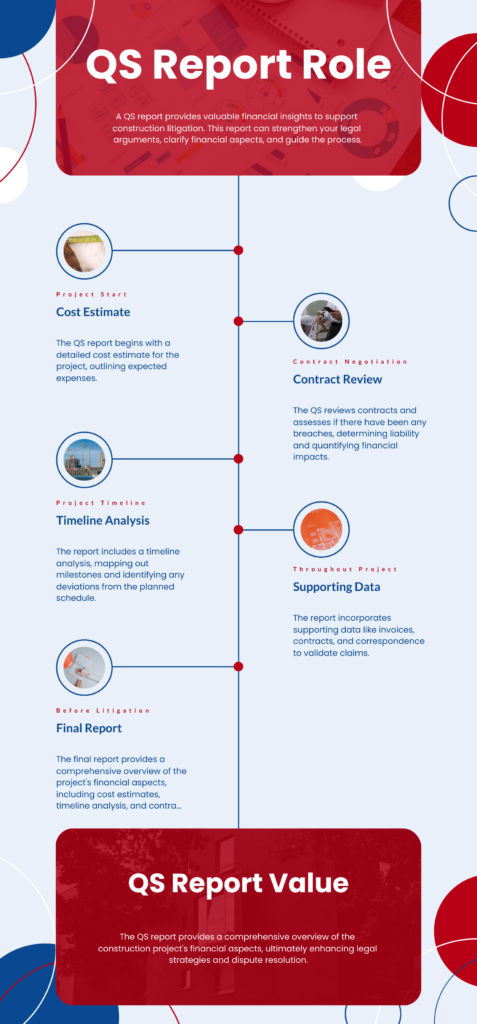
Moreover, the QS report often includes various supporting documents, such as invoices, contracts, and correspondence, which further validate the claims being made. These documents can illustrate the financial trajectory of a project and provide evidence of any discrepancies or failures that may have contributed to the dispute. By incorporating this comprehensive analysis into litigation strategies, legal teams can present a well-rounded case that is not only compelling but also grounded in factual evidence. Thus, the QS report becomes more than just a financial document; it evolves into a cornerstone of legal arguments in construction-related disputes.
Key Components of a QS Report
A comprehensive QS report is composed of several key components that collectively provide a detailed overview of the financial aspects of a construction project. The first critical element is the cost estimate, which outlines the projected expenses associated with the project, including materials, labour, and overheads. This estimate forms the backbone of the QS report, as it helps to establish a financial baseline against which actual costs can be measured. Detailed cost breakdowns allow stakeholders to identify where discrepancies may arise, which is particularly useful in litigation contexts.
In addition to cost estimates, the QS report typically includes an analysis of project timelines and schedules. This aspect is vital for assessing delays and their associated costs, as it provides a chronological context for the financial data presented. By mapping out significant milestones and identifying any deviations from the planned schedule, Quantity Surveyors can help pinpoint areas where delays may have occurred and the financial impact of those delays. This analysis is crucial in cases where claims for additional costs are made due to project overruns.
Another essential component of a QS report is the evaluation of contractual compliance. This entails a thorough review of agreements and contracts to determine whether all parties have fulfilled their obligations. A QS will assess if there have been any breaches of contract and quantify the financial implications of those breaches. This evaluation not only aids in establishing liability but also supports claims for damages in litigation. By integrating these key components, a QS report provides a holistic view of the financial health of a project, making it an indispensable tool in legal disputes.
How a QS Report Can Support Claims and Disputes
The utility of a QS report in supporting claims and disputes cannot be underestimated, as it provides a structured approach to addressing financial grievances in the construction industry. When disputes arise, whether related to contract breaches, project delays, or cost overruns, a well-prepared QS report can serve as a definitive source of information that clarifies the financial implications of those issues. This clarity is essential for both parties involved in the dispute, as it helps to outline the potential damages or losses incurred due to the other party’s actions or inactions.
One of the primary ways a QS report supports claims is through the quantification of damages. By meticulously analysing project costs, schedules, and contractual obligations, Quantity Surveyors can calculate the financial impact of specific issues, such as delays or defects. This quantification is crucial in litigation, as it provides a tangible basis for claims that can be presented to the court. The ability to substantiate claims with precise figures lends credibility to the argument and increases the likelihood of a favourable outcome.
Furthermore, a QS report can assist in negotiating settlements before a case reaches litigation. The insights derived from the report can facilitate discussions between parties by providing a clear understanding of the financial stakes involved. When both sides have access to objective, data-driven information, they are more likely to reach an amicable resolution that avoids the costs and uncertainties associated with a court trial. Thus, the QS report not only supports claims in the courtroom but also plays a vital role in dispute resolution throughout the lifecycle of a construction project.
Analysing the Insights Provided by a QS Report
The insights derived from a QS report extend beyond mere financial figures; they encompass a comprehensive analysis of the entire project dynamics. These insights can reveal patterns of inefficiencies, cost escalations, and areas of non-compliance that may not be apparent at first glance. For instance, a QS report may highlight recurring issues that have led to budget overruns, enabling stakeholders to address these issues proactively. By analysing these insights, parties involved can gain a deeper understanding of the factors contributing to disputes and work towards implementing corrective measures.
Moreover, the report often provides a critical comparison between estimated costs and actual expenditures. This comparison can illuminate discrepancies that arise during the project lifecycle, shedding light on areas where mismanagement may have occurred. Understanding these variances is essential for both legal teams and project managers, as it helps identify accountability and informs future project planning. By dissecting the financial data, a QS report offers valuable lessons that can enhance decision-making processes in ongoing and future projects.
Additionally, the qualitative assessments included in a QS report can provide insights into the overall project management effectiveness. Quantity Surveyors often evaluate the adequacy of communication between parties, adherence to schedules, and the impact of management decisions on project outcomes. These assessments contribute to a holistic view of the construction project, allowing stakeholders to understand not only the financial implications but also the broader context in which disputes arise. By leveraging these insights, legal professionals can craft more robust strategies that take into account the multifaceted nature of construction disputes, ultimately leading to more effective resolutions.
The Process of Preparing a QS Report for Litigation
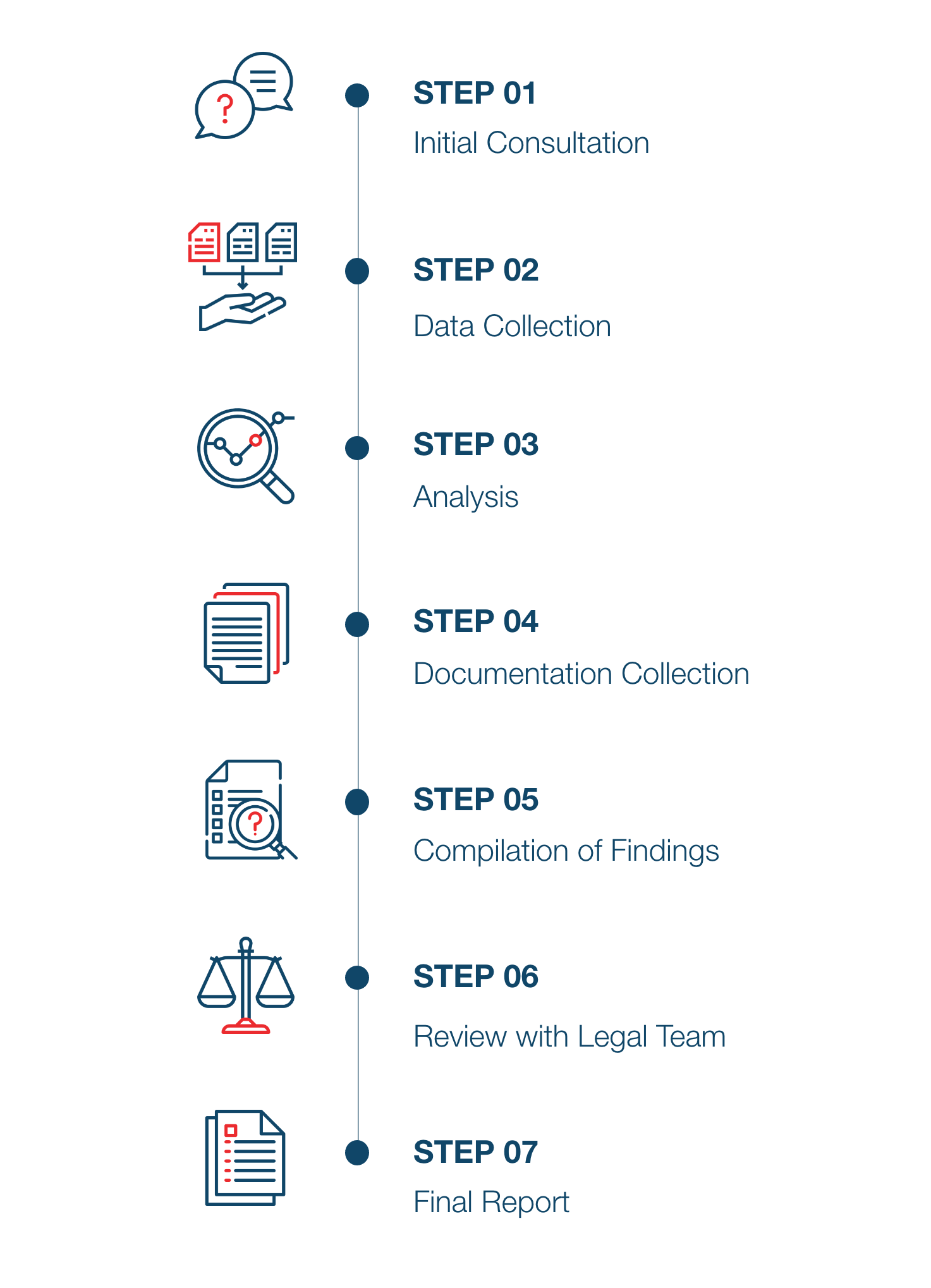
Preparing a QS report for litigation is a meticulous process that requires careful planning, data collection, and analysis. It begins with an initial consultation between the Quantity Surveyor and the legal team to establish the scope of the report and the specific issues to be addressed. This phase is crucial, as it sets the foundation for the entire report, ensuring that all relevant aspects of the dispute are covered. The Quantity Surveyor must gather all pertinent project documentation, including contracts, change orders, invoices, and correspondence, to create a comprehensive understanding of the situation.
Once the necessary documentation is collected, the Quantity Surveyor will conduct a detailed analysis of the project’s financial data. This involves preparing cost estimates, assessing project timelines, and evaluating compliance with contractual obligations. The QS will often employ specialised software and methodologies to ensure accuracy and reliability in the data presented. This analytical phase is time-consuming but essential for producing a credible report that stands up to scrutiny in a legal setting.
After completing the analysis, the QS will compile the findings into a structured report, clearly outlining the key components, insights, and conclusions drawn from the data. The report should be written in a manner that is easily understandable for non-experts, as it may be reviewed by judges, arbitrators, and other stakeholders who may not possess a technical background in construction. The final step involves reviewing the report with the legal team to ensure that it aligns with the litigation strategy and addresses the specific claims being made. This collaborative approach enhances the report’s effectiveness and ensures that it serves its purpose as a vital piece of evidence in the litigation process.
Hiring a Qualified Quantity Surveyor for Litigation Support
When it comes to hiring a Quantity Surveyor for litigation support, it is imperative to choose a qualified professional with the right expertise and experience. Legal teams should look for Quantity Surveyors who have a proven track record in providing expert reports for litigation purposes. This experience ensures that the QS is familiar with the legal requirements and nuances of preparing reports that can withstand scrutiny in court. Their understanding of the litigation process is critical for producing a report that effectively supports legal arguments and contributes positively to the case.
Moreover, the ideal Quantity Surveyor should have a deep understanding of the specific construction sector relevant to the dispute. Whether it involves commercial, residential, or infrastructure projects, familiarity with the unique challenges and practices of the sector enhances the QS’s ability to deliver accurate and relevant insights. Additionally, a QS with experience in similar disputes will be better equipped to anticipate potential challenges and address them proactively in the report.
Finally, communication skills are paramount when selecting a Quantity Surveyor for litigation support. The ability to convey complex financial data in a clear and concise manner is essential, as the report will likely be reviewed by individuals without technical backgrounds. A QS who can articulate findings and insights effectively will not only enhance the report’s impact but also contribute to a more collaborative relationship with the legal team. By prioritising qualifications, sector-specific experience, and communication abilities, legal professionals can ensure that they engage a Quantity Surveyor who will add significant value to their litigation efforts.

About Garry Andrews
Garry Andrews is the Principal Surveyor at Contract Australia, bringing a wealth of experience and expertise to the field of quantity surveying. Over the past two decades, Garry has been instrumental in managing costs and ensuring the financial viability of numerous construction projects across Australia. His deep understanding of construction contracts, risk management, and cost estimation has made him a trusted advisor in the industry.
Garry’s commitment to excellence and attention to detail have earned him a reputation for delivering accurate and reliable QS reports that are invaluable in legal proceedings. His ability to interpret complex construction data and present it clearly and concisely has helped countless clients navigate the intricacies of construction litigation with confidence.
Give Garry A Call or Email
If you’re facing a construction dispute or need expert advice on managing project costs, don’t hesitate to reach out to Garry Andrews at Contract Australia. With his extensive experience and proven track record, Garry can provide the insights and support you need to achieve a favourable outcome. Contact Garry today to learn how his expertise can benefit your construction projects and litigation strategies. Call on (02) 8084 4333 or email direct to [email protected].
Case Studies Showcasing the Impact of QS Reports in Litigation
Examining case studies where QS reports played a crucial role in litigation can provide valuable insights into their impact on legal outcomes. One notable example involved a large infrastructure project where significant cost overruns had occurred due to delays attributed to a subcontractor’s failure to deliver materials on time. The Quantity Surveyor’s report detailed the cost implications of the delays and provided a comprehensive analysis of the project’s financial status. The objective data presented in the report enabled the legal team to substantiate their claims for damages against the subcontractor, ultimately leading to a favourable settlement for the client.
Another illustrative case involved a dispute over the quality of workmanship in a commercial building project. The QS report assessed the extent of the defects and quantified the costs associated with rectifying the issues. By providing a detailed breakdown of the necessary repairs and their associated costs, the report facilitated negotiations between the parties, resulting in a settlement that covered the repair expenses. This case highlights how a QS report can not only support claims in litigation but also expedite resolution by providing clear and quantifiable data.
In a further example, a QS report was instrumental in a complex arbitration case involving multiple parties. The report analysed the financial impact of various claims made by different stakeholders, clarifying the responsibilities of each party. The objective nature of the report helped to streamline the arbitration process by eliminating ambiguities and focusing on the core financial issues at hand. As a result, the arbitration panel was able to make informed decisions based on the factual data presented, leading to a resolution that was fair and equitable for all parties involved. These case studies exemplify the transformative power of QS reports in shaping the outcomes of construction-related disputes.
Conclusion: The Invaluable Role of a QS Report in Litigation Cases
In conclusion, the role of a Quantity Surveyor report in litigation cases is both significant and multifaceted. As the construction industry continues to evolve, the reliance on QS reports as a cornerstone of evidence in legal disputes becomes increasingly pronounced. These reports provide a detailed analysis of the financial dynamics of construction projects, offering invaluable insights that can support claims and facilitate resolutions. Legal professionals who recognise the importance of collaborating with experienced Quantity Surveyors can unlock the true potential of these reports, enhancing their litigation strategies and increasing their chances of a favourable outcome.
The comprehensive nature of a QS report, encompassing cost estimates, project timelines, and contractual compliance assessments, enables parties to navigate the complexities of construction disputes with clarity and confidence. Furthermore, the objective data presented in these reports not only aids in substantiating claims but also fosters effective communication between parties, paving the way for amicable resolutions.
As the construction landscape becomes more intricate, the expertise of Quantity Surveyors will remain indispensable in the legal realm. By leveraging their skills and insights, legal teams can ensure that their strategies are grounded in reliable information, ultimately leading to more effective dispute resolution. In the ever-evolving world of construction litigation, the invaluable role of a QS report will continue to be a key factor in achieving fair and equitable outcomes for all parties involved.
I hope you have found this blog helpful and if you require further clarification, please do not hesitate to get in contact with us at www.contractaustralia.com.au or email [email protected] or follow us on LinkedIn.
References. I have referred to the following published material to stand on the shoulders of giants.
RICS Cost Reporting: RICS Cost Reporting, 1st edition
RICS Commercial Management of Construction: RICS Commercial Management of Construction, 1st edition
AIQS Construction Cost Planning & Role of the Quantity Surveyor: AIQS Cost Planning
The Practitioner’s Guide to Briefing an Expert Witness: The Practitioner’s Guide
N.b. Nothing in this article constitutes legal, professional or financial advice.
Maximising your ROI: How Construction Cost Consultants Can Improve The Bottom Line and Project Success
Maximising Your ROI: How Construction Cost Consultants Can Help You Save Money and Improve Your Projects
Are you looking to save money and improve the success of your construction projects? Look no further than construction cost consultants. These professionals are experts in analyzing the financial aspects of construction projects, ensuring that costs are minimized and returns on investment (ROI) are maximized.
Construction cost consultants play a crucial role in helping you make informed decisions throughout the entire project lifecycle. They provide valuable insights on budgeting, cost estimation, procurement, and contract negotiations. By thoroughly assessing the financial implications of your project, they can identify potential cost savings and offer strategic recommendations to optimize your ROI.
With their extensive knowledge of the construction industry, cost consultants have an objective perspective that can bring significant value to your business. By partnering with them, you gain access to their expertise and experience, enabling you to make well-informed decisions that will positively impact your bottom line.
Investing in the services of construction cost consultants is a smart move for any construction project. Not only can they help you save money, but they can also ensure that your projects are executed efficiently, on time, and within budget. Don’t miss out on the opportunity to maximize your ROI.
The Role of Construction Cost Consultants
Construction cost consultants are specialized professionals who provide essential services related to the financial management of construction projects. Their primary role is to support clients in understanding the various costs involved in construction, helping to create budgets, and ensuring that projects remain financially viable throughout their lifecycle. By leveraging their expertise, these consultants guide clients through complex financial decisions that can impact the overall success of a project.
One of the key functions of construction cost consultants is cost estimation. They analyze project plans and specifications to provide accurate estimates of labor, materials, and overhead costs. This process is critical because it helps clients set realistic budgets and expectations, thereby preventing costly overruns later in the project. Furthermore, these consultants often employ sophisticated software and techniques to enhance the accuracy of their estimates, providing clients with a clearer picture of potential financial outcomes.
Additionally, construction cost consultants play a vital role in the procurement process. They assist in evaluating bids from contractors and suppliers, ensuring that clients receive competitive pricing without compromising on quality. By conducting thorough market analysis and comparisons, these consultants help clients make informed choices, which can lead to significant savings and better overall project outcomes.
The Benefits of Hiring Construction Cost Consultants
Hiring construction cost consultants offers numerous advantages that can significantly enhance the success of any construction project. One of the most notable benefits is their ability to identify cost-saving opportunities early in the project lifecycle. By conducting thorough analyses and assessments, these consultants can pinpoint areas where expenses can be reduced without sacrificing quality or functionality. This proactive approach ultimately leads to a more efficient allocation of resources and maximizes the return on investment.
Another major benefit is that cost consultants bring a wealth of industry knowledge and experience to the table. They stay updated on market trends, pricing fluctuations, and emerging technologies, allowing them to provide clients with valuable insights that can influence project decisions. This expertise can help clients navigate complex regulatory environments, ensuring compliance while also identifying potential financial incentives or rebates available in their region.
Moreover, construction cost consultants can help streamline project management processes. By offering their services during the planning, execution, and monitoring phases of a project, they ensure that financial considerations remain at the forefront. This ongoing support helps clients stay on track with budgets and timelines while also fostering better communication among project stakeholders to enhance collaboration and accountability.
Understanding the Concept of ROI in Construction Projects
Return on investment (ROI) is a critical metric in the construction industry, as it measures the profitability of a project relative to its costs. In simple terms, ROI helps stakeholders determine whether a construction investment is worth pursuing. A high ROI indicates that a project is likely to generate more revenue than it costs, while a low ROI may signal the need for reevaluation or adjustment of project parameters. Understanding this concept is essential for making informed decisions that align with overall business objectives.
In construction, ROI can be influenced by several factors, including project design, material selection, labor costs, and market demand. For instance, a project that utilizes innovative construction techniques or sustainable materials may not only reduce costs but also appeal to a broader market, thereby enhancing its potential ROI. By focusing on these elements, construction cost consultants help clients identify strategies to maximize their returns while minimizing risks.
Additionally, the calculation of ROI in construction is not always straightforward. It often requires a comprehensive analysis of both direct and indirect costs, as well as a projection of future revenues. Cost consultants are adept at conducting these evaluations, allowing them to provide clients with a clear understanding of how various decisions will impact their overall financial performance. This holistic approach to assessing ROI ensures that clients can make data-driven choices that support their long-term financial health.
How Construction Cost Consultants Can Help Improve Project Efficiency
Construction cost consultants are instrumental in enhancing project efficiency by providing strategic insights and recommendations that streamline processes. One of the primary ways they achieve this is through meticulous planning and scheduling. By developing detailed project timelines and resource allocation plans, consultants help ensure that all elements of a construction project are coordinated effectively. This proactive approach minimizes delays and disruptions, ultimately leading to faster project completion times.
Another critical area where cost consultants contribute to efficiency is in risk management. They conduct thorough risk assessments to identify potential challenges that could arise during the project. By foreseeing these issues, consultants can recommend contingency plans or alternative strategies to mitigate risks. This foresight not only safeguards the project’s financial integrity but also enhances overall productivity by ensuring that teams are prepared for any obstacles that may emerge.
Furthermore, construction cost consultants facilitate enhanced communication among project stakeholders. They act as intermediaries between clients, contractors, suppliers, and other parties involved in the project. By fostering an environment of open dialogue and collaboration, consultants ensure that everyone is aligned with the project goals and timelines. This cohesive approach reduces misunderstandings and fosters a culture of accountability, contributing to smoother project execution and improved efficiency.
The Importance of Accurate Cost Estimation in Construction
Accurate cost estimation is a cornerstone of successful construction management, as it lays the foundation for budget development and financial planning. Inaccurate estimates can lead to budget overruns, project delays, and, ultimately, diminished ROI. Therefore, it is essential for construction cost consultants to utilize precise methodologies and tools when estimating costs. They analyze a variety of factors, including labor rates, material prices, and overhead costs, to provide comprehensive estimates that reflect the true financial requirements of a project.
Moreover, accurate cost estimation allows clients to make informed decisions regarding project feasibility. By understanding the financial implications of various design choices and construction methods, stakeholders can choose the most cost-effective options that align with their goals. This informed decision-making process reduces the likelihood of costly changes or redesigns later in the project, preserving both time and resources.
Additionally, accurate cost estimation plays a crucial role in securing financing for construction projects. Lenders and investors are more likely to support projects with well-founded financial projections, as they demonstrate a lower risk of failure. Construction cost consultants help clients develop these projections, providing the transparency and detail needed to instill confidence in potential backers. Ultimately, this thorough approach to cost estimation not only aids project planning but also enhances the overall financial viability of construction endeavors.
Strategies for Maximizing ROI with the Help of Construction Cost Consultants
Maximizing ROI in construction projects requires a multifaceted approach, and construction cost consultants are equipped with strategies to help achieve this goal. One effective strategy is value engineering, which involves analyzing project designs and materials to identify opportunities for cost savings without compromising quality. By applying this technique, consultants can suggest alternatives that reduce costs and improve project efficiency, ultimately leading to a higher ROI.
Another strategy involves optimizing procurement processes. Cost consultants have extensive knowledge of the supply chain and market dynamics, allowing them to identify the best sources for materials and services. By negotiating favorable terms and leveraging bulk purchasing agreements, consultants can significantly reduce expenses associated with procurement. This strategic approach not only lowers costs but also ensures that high-quality materials are used throughout the project, enhancing its overall value.
Lastly, construction cost consultants can help clients implement robust project monitoring and control systems. By establishing key performance indicators (KPIs) and regularly reviewing project progress against these benchmarks, consultants enable clients to identify areas where adjustments may be needed. This ongoing oversight ensures that projects remain on track financially, allowing for proactive decision-making that maximizes ROI. By integrating these strategies into project management practices, clients can significantly enhance their financial outcomes and overall project success.
Case Studies: Real-life Examples of Cost Savings Achieved with Construction Cost Consultants
Examining real-life case studies offers valuable insights into how construction cost consultants can drive significant cost savings and improve project outcomes. One notable example involves a large commercial construction project where a cost consultant identified inefficiencies in the original design. By recommending design modifications that utilized less expensive materials and simplified construction processes, the consultant helped the client save over 15% on total construction costs. This adjustment not only reduced expenses but also accelerated the project timeline, resulting in earlier occupancy and increased rental income.
Another case study highlights a municipal infrastructure project that faced budget constraints and tight deadlines. The construction cost consultant conducted a thorough risk assessment and implemented a value engineering process that re-evaluated material choices and construction methods. Through strategic negotiations with suppliers and contractors, the consultant secured better pricing and reduced overall project costs by approximately 20%. This not only allowed the project to stay within budget but also ensured that essential infrastructure improvements were completed on schedule.
Lastly, in a residential development project, the cost consultant’s meticulous tracking of expenses and budget adherence led to a substantial reduction in unforeseen costs. By implementing rigorous monitoring procedures and regularly reporting progress to stakeholders, the consultant kept the project on track financially. As a result, the developer achieved a remarkable 30% increase in ROI compared to previous projects. These case studies exemplify the tangible benefits that construction cost consultants can provide, reinforcing the value of their expertise in driving cost-effective project execution.
How to Find and Hire a Reliable Construction Cost Consultant
Finding and hiring a reliable construction cost consultant is crucial for maximizing the benefits of their services. The first step in the process is conducting thorough research to identify potential candidates. This can involve seeking recommendations from industry peers, reviewing professional associations, and exploring online resources. It’s essential to compile a list of consultants with relevant experience in your specific type of project, as their familiarity with similar projects can greatly enhance their effectiveness.
Once you have a shortlist of potential consultants, the next step is to evaluate their qualifications and expertise. This can include reviewing their portfolios, checking references, and assessing their credentials. Look for consultants who have a proven track record of successful projects and satisfied clients. Additionally, consider their communication style and approach, as effective collaboration is crucial for achieving project goals. A consultant who is responsive and transparent in their communication is often more likely to deliver positive results.
Finally, it’s important to have a clear understanding of the consultant’s fee structure and services offered before making a decision. Some consultants may charge hourly rates, while others may work on a fixed-fee basis or a percentage of project costs. Clarifying these details upfront will help avoid misunderstandings later on. Once you find a consultant who meets your criteria, schedule a meeting to discuss your project needs and objectives. This initial conversation will provide insight into their approach and whether they align with your vision for the project.
Common Misconceptions About Construction Cost Consultants
Despite the significant value that construction cost consultants provide, several misconceptions exist about their role in the industry. One common myth is that hiring a cost consultant is an unnecessary expense that only adds to project costs. In reality, their expertise often leads to substantial savings by identifying inefficiencies and cost-saving opportunities. By investing in a consultant’s services, clients can avoid costly mistakes and improve their overall financial outcomes, ultimately making it a wise investment rather than an additional burden.
Another misconception is that construction cost consultants only focus on the initial budgeting phase of a project. In truth, their involvement extends throughout the entire project lifecycle, from planning and design to execution and completion. They continuously monitor project costs, assess financial risks, and provide strategic recommendations to ensure that projects remain financially viable. This ongoing support is essential for maintaining project efficiency and maximizing ROI.
Lastly, some clients believe that construction cost consultants only work with large-scale projects or corporate clients. However, cost consultants can provide valuable services to projects of all sizes, including small residential developments and public works initiatives. Their expertise is adaptable and can be tailored to meet the specific needs of any project, making them accessible resources for a wide range of clients. By dispelling these misconceptions, clients can better understand the significant role that construction cost consultants play in achieving successful project outcomes.
Conclusion: The Long-term Value of Investing in Construction Cost Consultants
Investing in construction cost consultants is a strategic decision that can yield long-term benefits for any construction project. Their expertise in cost estimation, budgeting, and project management not only results in immediate savings but also contributes to enhanced efficiency and productivity. By implementing best practices and identifying cost-saving opportunities, these consultants help clients achieve significant ROI while minimizing risks and uncertainties.
Moreover, the value of construction cost consultants extends beyond individual projects. Their insights and recommendations can lead to improved financial practices and decision-making processes within organizations. By fostering a culture of financial accountability and strategic planning, clients can build a strong foundation for future projects, ensuring sustained success in the competitive construction industry.
Ultimately, the partnership with construction cost consultants is an investment in the future of construction projects. Their objective perspective, industry knowledge, and commitment to delivering value can significantly enhance project outcomes, making them indispensable allies in the pursuit of financial success. By prioritizing this collaboration, clients can navigate the complexities of construction with confidence and achieve lasting impact on their bottom line.
I hope you have found this blog helpful and if you require further clarification, please do not hesitate to get in contact with us at www.contractaustralia.com.au or email [email protected] or LinkedIn
N.b. Nothing in this article constitutes legal, professional or financial advice.
NCAT Expert Witness Report | Dispute Resolution Series | Contract Australia
Let’s go through what makes a great NCAT Expert Witness report and testimony.

Why Hiring an NCAT Expert Witness Is Crucial for Your Case: A Comprehensive Guide
In the complex world of legal disputes, having the right expertise can make all the difference in your case. When it comes to matters falling under the jurisdiction of the New South Wales Civil and Administrative Tribunal (NCAT), hiring an expert witness becomes crucial. Their specialized knowledge and experience can provide invaluable support in presenting your case effectively.
In this comprehensive guide, we delve into the importance of hiring an NCAT expert witness and how they can significantly impact the outcome of your case. We explore the role they play in providing expert opinions, analyzing complex evidence, and presenting their findings in a clear and persuasive manner. From their ability to simplify technical jargon to their credibility and standing in the legal community, an NCAT expert witness can greatly strengthen your case.
Whether you are dealing with a dispute in the areas of tenancy, strata, administrative law, or any other jurisdiction covered by NCAT, this guide will help you understand why hiring an expert witness is crucial and how to find the right one for your needs. Don’t leave the outcome of your case to chance – equip yourself with the expertise necessary for success.
Understanding the role of an NCAT expert witness
An NCAT expert witness plays a vital role in the legal process, providing expert opinions, analyzing complex evidence, and presenting their findings in a clear and persuasive manner. They possess a deep understanding of the specific field related to your case, whether it’s tenancy, strata, administrative law, or any other jurisdiction covered by NCAT.
Expert witnesses are impartial professionals who are recognized as authorities in their respective fields. They have extensive experience and a track record of success, making them highly credible in the eyes of the court. Their role is to provide independent and objective opinions based on their expertise, which can be crucial in helping the judge or tribunal reach a fair and informed decision.
An expert witness not only possesses specialized knowledge but also the ability to simplify technical jargon for the benefit of the court and the parties involved. They can translate complex concepts into easily understandable terms, ensuring that all parties have a clear understanding of the evidence presented. This ability to communicate effectively is invaluable in helping the judge or tribunal make an informed decision.
The importance of hiring an NCAT expert witness for your case
Hiring an NCAT expert witness is of utmost importance for several reasons. Firstly, their expertise can significantly strengthen your case. They bring a level of knowledge and experience that can be pivotal in presenting your arguments effectively. By providing expert opinions and analysis, they can bolster the credibility of your claims and counter any opposing arguments.
Furthermore, an NCAT expert witness can provide an objective perspective on the evidence at hand. Their impartiality and independent analysis can help uncover crucial details or inconsistencies that may have otherwise been overlooked. This can be instrumental in building a strong case and increasing the chances of a favorable outcome.
In addition, an NCAT expert witness can help navigate the complexities of the legal process. They are well-versed in the procedural rules and requirements specific to NCAT cases, ensuring that all necessary steps are followed and all relevant evidence is presented. Their guidance can be invaluable in avoiding potential pitfalls or procedural errors that could weaken your case.
How an NCAT expert witness can strengthen your case
An NCAT expert witness can strengthen your case in various ways. Firstly, their specialized knowledge allows them to provide expert opinions that carry significant weight in the courtroom. Their analysis and interpretation of complex evidence can shed light on crucial aspects of your case, providing clarity to the judge or tribunal.
Moreover, an expert witness can effectively present their findings in a clear and persuasive manner. They have the ability to break down complex concepts and technical jargon into easily understandable terms, ensuring that the court and all parties involved can grasp the key points. This not only enhances the overall understanding of your case but also increases its persuasiveness.
Additionally, an NCAT expert witness brings credibility and standing to your case. Their recognized expertise and experience in the field give them a level of authority that can be highly influential in the decision-making process. Judges and tribunals are more likely to give weight to the opinions of an expert witness, especially when they are well-respected within the legal community.
Qualities to look for in an NCAT expert witness
When searching for the right NCAT expert witness for your case, there are several key qualities to consider. Firstly, expertise in the specific field relevant to your case is essential. Look for someone who has a deep understanding of the laws, regulations, and best practices related to your dispute. Their knowledge should be up-to-date and relevant to the current legal landscape.
Furthermore, credibility and experience are crucial. Seek out expert witnesses who have a proven track record of success in their field. Look for individuals who have testified in similar cases and have a reputation for providing unbiased and reliable opinions. A strong professional standing within the legal community adds further weight to their credibility.
Effective communication skills are also important. An expert witness should be able to articulate their findings and opinions in a clear and concise manner. They should be able to adapt their communication style to the audience, ensuring that both the court and the parties involved can understand and appreciate their expertise.
How to find and hire the right NCAT expert witness
Finding the right NCAT expert witness for your case requires careful consideration and research. Begin by seeking recommendations from trusted sources, such as attorneys, colleagues, or professional networks. These individuals may have firsthand experience working with expert witnesses and can provide valuable insights and referrals.
Once you have a list of potential candidates, conduct thorough interviews to assess their qualifications and suitability for your case. Inquire about their experience, track record, and areas of expertise. Ask for examples of previous cases they have worked on and the outcomes they achieved. This will give you a better understanding of their capabilities and whether they align with your specific needs.
It is also important to review their credentials and qualifications. Look for expert witnesses who have relevant certifications, memberships in professional organizations, and ongoing education in their field. These factors can indicate their commitment to staying current and up-to-date with the latest developments in their area of expertise.
The process of working with an NCAT expert witness
Once you have hired an NCAT expert witness, it is important to establish clear communication and expectations from the outset. Provide them with all relevant documentation and evidence related to your case, ensuring that they have a comprehensive understanding of the matter at hand. This will enable them to conduct a thorough analysis and provide accurate opinions.
Collaboration throughout the process is key. Work closely with your expert witness to develop a strategy and timeline for gathering additional evidence, conducting research, and preparing for court or tribunal proceedings. Regular communication and updates will ensure that everyone is on the same page and that your case is progressing smoothly.
During court or tribunal proceedings, your expert witness will play an active role in presenting their findings and opinions. They may be called upon to provide testimony, answer questions from the judge or tribunal members, and assist in cross-examinations. Their ability to remain composed, credible, and persuasive is crucial in reinforcing the strength of your case.
Common misconceptions about NCAT expert witnesses
There are several misconceptions surrounding NCAT expert witnesses that can cloud the understanding of their role and value. One common misconception is that expert witnesses are biased and will always favor the party that hired them. In reality, expert witnesses are bound by professional ethics and a duty to provide impartial and objective opinions based on their expertise.
Another misconception is that expert witnesses are only necessary for complex or technical cases. While their expertise is invaluable in such cases, expert witnesses can also provide significant support in more straightforward disputes. Their ability to simplify complex concepts and provide clarity can benefit any case, regardless of its complexity.
Case studies: Examples of successful outcomes with an NCAT expert witness
To illustrate the impact of hiring an NCAT expert witness, let’s explore a few case studies. In a tenancy dispute, an expert witness with a deep understanding of residential property laws and regulations can provide insight into the tenant’s rights and responsibilities. Their expertise can help establish whether the landlord has breached their obligations and can contribute to a favorable outcome for the tenant.
In a strata dispute, an expert witness specializing in strata laws and regulations can analyze complex financial records and uncover discrepancies or mismanagement. Their findings can support the claims made by one party and strengthen their position in the dispute. This can lead to a resolution that rectifies the issues and ensures fair treatment for all strata owners.
The cost of hiring an NCAT expert witness
The cost of hiring an NCAT expert witness can vary depending on several factors, including their level of expertise, the complexity of the case, and the amount of time required for analysis and preparation. It is essential to discuss fees and expectations upfront to ensure transparency and avoid any surprises.
While hiring an expert witness may incur additional costs, the potential benefits far outweigh the financial investment. A successful outcome in your case can have long-term implications and save you from potential losses or unfavorable rulings. Consider the cost of hiring an expert witness as an investment in the success of your case.
Conclusion: The value of hiring an NCAT expert witness for your case
In conclusion, hiring an NCAT expert witness is crucial for your case. Their specialized knowledge, objective perspective, and ability to present findings effectively can significantly strengthen your arguments and increase the chances of a favorable outcome. By selecting an expert witness with the right qualifications and experience, you can equip yourself with the expertise necessary for success in your NCAT case. Don’t leave the outcome of your case to chance – invest in the expertise of an NCAT expert witness and give your case the best possible chance of success.
I hope you have found this blog helpful and if you require further clarification, please do not hesitate to get in contact with us at www.contractaustralia.com.au or email [email protected] or LinkedIn
N.b. Nothing in this article constitutes legal, professional or financial advice.

Clearly Ambiguous! - Contract Review Series - Contract Australia
Ambiguous or Clear?
I am sure we have all been there, during the project delivery phase, there will be a time where you will hear... "...that is not what we meant." or "...you are misinterpreting the contract" or even "...you should have allowed for that." Ok, well, let us review the contract.
What is in this week blog post?
In this four-part blog series focusing on Contract Review practices, I will take you through the high-level items I look out for when reviewing Contracts, Scope of Works, Departure and Clarification Schedules, Responsibility Matrices and more.
In part one, I am highlighting the importance of looking for 'Ambiguity' in the contract documentation. I will show you some examples of ambiguity in contracts and demonstrate the remedy. This is one of many ways one can ensure good communication, clear documentation and start to build trust with the other party.

Contract Review
Scope of Works
I am always aware of the Scope of Works document at the tender stage can have some ambiguity because the client may not be fully aware or have knowledge of the details for the package of work. It is why the client is engaging a contractor for the work, to get their expertise. However, the contractor must be aware the ambiguous narrative must be clarified throughout the tender process. For example:
The Subcontractor acknowledges that is has inspected the Site, is aware of and accepts the responsibility for all Site conditions of which it ought to be reasonably aware of and the Subcontract Works must be constructed with due care taking into account those existing Site conditions.
This Scope of Works item is perfectly fine being documented in an RFT or RFQ because it will allow the contractor to assess what information, data, evidence and visual inspection are available and the contractor can clarify. However, this item must not make it into the contract unless the contractor is in fact taking all risk on-site all conditions. If not, clarify what documents, information and data were available, if any geotechnical testing was conducted for example, and what was found on the site inspection. Further, detail out in a schedule what site conditions the contractor is willing to take a risk on. Request the following amendment for example:
The Subcontractor acknowledges that is has inspected the Site and the findings are documented within the site inspection schedule "xxx" completed on date (dd/mm/yy). The contractor is aware of and accepts the responsibility for all Site conditions as per report "yyy" of which it ought to be reasonably aware of and the Subcontract Works must be constructed with due care taking into account those existing Site conditions.
I can hear alarm bells ringing already from both sides of the fence. I am not saying the contractor should not take the risk of existing Site conditions but one must be aware of the risk(s) which allows for the valuation of said risk(s). A further amendment is to schedule out which party is responsible for each site condition if known. I have two personal experiences which come to mind, once we were lucky, the other not so much. So, let's not leave this up to luck.
Contract Clauses
In Australia, we tend to use Standard Forms of Contracts, AS4000 family of contracts and GC21 here in NSW for a range of construction, civil engineering, design and construct among others. There are others, of course, NEC3, JCT and FIDIC for our international friends. From recent statistics, 84% of AS Forms of Contracts were amended. Therefore, it is imperative we do not take these for granted, regardless of how long we have worked with them. Here is a straight forward example I found in a contract recently which I believe is ambiguous.
The Contractor may request that any Subcontract Services be tested. The Subcontractor shall provide such assistance and samples and make accessible such part of the Subcontract Services as may be required for such testing. If necessary, on completion of the tests, the Subcontractor shall make good the Subcontract Services in order that they fully comply with the Subcontract.
Let me give you some context, this clause was in a contract for a basement retention package of works, where the subcontractor's works would have been disrupted by testing. In my view, this is an ambiguous clause because it does not clearly articulate or clarify what is to be tested, when, by what standard, to what quality. Further, "make good" wording is open-ended and cannot be quantified, therefore, ambiguous. One might say the keyword here is "Request" which constitutes a direction. Therefore, the subcontractor is entitled to notify the contractor of the direction and notify of a potential variation to the contract. You would be correct, but the clause is still ambiguous.
One way to approach such a clause would be to request the testing to be quantified and clarified through an Inspection and Test Plan for example. Further, any re-work due to works outside of the scope of works must be instructed.
Departure, Clarification and Other Return Schedules
My last point of this week's blog is any correspondence which is returned to the client must be clear and not ambiguous. The same way you have reviewed the contract document is the same for the tender schedules in return.
I hope you have found this blog helpful and if you require further clarification please do not hesitate to get in contact with us at www.contractaustralia.com.au or email [email protected] or LinkedIn
N.b. Nothing in this article constitutes legal, professional or financial advice.

Free AS4000 Contract Templates
Free Contract Templates Exclusive for Contract Australia Subscribers.
Mastering AS4000: Your Ultimate Guide to Contract Administration Templates in Australia
Welcome to the ultimate guide on contract administration templates for AS4000 in Australia! Whether you're a seasoned professional or new to the game, navigating the intricacies of contract administration can be daunting. But fret not, as we've got you covered with expert insights and invaluable resources to help you master AS4000 like a pro.
In this comprehensive guide, we delve into the nitty-gritty of contract administration templates specifically tailored for the Australian market. From understanding the key components of AS4000 to practical tips on implementation, this resource is your go-to companion for streamlining your contract processes and enhancing efficiency.
Get ready to unlock the secrets of effective contract administration with our step-by-step guidance and customisable templates that will empower you to take your projects to new heights. Whether you're a project manager, contract administrator, or legal professional, this guide is designed to elevate your contract management game and maximise success in every endeavour.
Understanding the key components of AS4000
AS4000, officially known as the AS 4000-1997 General Conditions of Contract, serves as a foundational document for construction and engineering projects in Australia. This standard contract form is designed to manage the relationships between parties involved in construction works, including contractors, subcontractors, and clients. One of the key components of AS4000 is its clear delineation of roles and responsibilities, which helps to minimise ambiguities in contractual obligations. Each party's duties are explicitly outlined, ensuring that everyone involved understands their specific contributions and expectations.
Another significant aspect of AS4000 is the incorporation of risk management provisions. The contract addresses how risks are allocated between the parties, which is crucial for determining liability and responsibility in case of unforeseen circumstances. This allocation not only helps foster a collaborative environment but also protects parties from potential disputes that can arise from ambiguous risk-sharing arrangements. Understanding these provisions is essential for effective contract administration and can significantly impact a project's success.
Additionally, AS4000 includes clauses related to payment processes, variations, and dispute-resolution mechanisms. These elements are vital for ensuring that financial transactions are conducted smoothly and that changes to the project scope are managed effectively. The payment clauses outline the timing and conditions for payments, while the variation clauses provide a framework for handling modifications that may arise during the project lifecycle. By familiarising themselves with these key components, contract administrators can navigate the complexities of contract management more efficiently.
Importance of contract administration in Australia
Contract administration plays a pivotal role in the successful delivery of construction projects in Australia. It involves managing contracts to ensure compliance with the terms and conditions agreed upon by all parties. Effective contract administration is crucial for mitigating risks, enhancing communication, and ensuring that projects are completed on time and within budget. By actively monitoring the contract's performance and adherence to its provisions, contract administrators can identify potential issues early on and implement corrective measures before they escalate.
Moreover, contract administration contributes to maintaining strong relationships among stakeholders. In the construction industry, where multiple parties are often involved, clear communication and transparency are essential. By adeptly managing contracts, administrators can facilitate dialogue among clients, contractors, and subcontractors, fostering collaboration and trust. This collaborative approach not only enhances project efficiency but also helps in resolving conflicts amicably, which can save time and resources.
In the Australian context, where regulatory compliance and industry standards are stringent, the importance of contract administration cannot be overstated. Proper administration ensures that all legal obligations are met, reducing the likelihood of disputes and legal challenges. This is particularly important in a highly regulated sector, where a failure to comply with contractual and legal requirements can lead to severe penalties and reputational damage. Therefore, understanding the significance of robust contract administration practices is essential for anyone involved in the construction industry in Australia.
Benefits of using contract administration templates
Utilising contract administration templates offers numerous advantages for professionals managing construction projects. One of the primary benefits is the significant time savings they provide. By having a ready-made structure, contract administrators can quickly develop contracts that meet specific project requirements without starting from scratch. This efficiency not only expedites the contract creation process but also allows professionals to focus on other critical aspects of project management.
Another noteworthy benefit of using templates is the consistency they bring to contract administration. Templates ensure that standard terms and clauses are included in every contract, which helps maintain uniformity across various projects. This consistency is particularly beneficial for organisations that manage multiple contracts simultaneously, as it minimises the risk of errors and omissions. Additionally, having a standardised approach fosters familiarity among stakeholders, making it easier for them to understand and comply with contractual obligations.
Furthermore, contract administration templates can enhance compliance with legal and regulatory requirements. Many templates are designed to align with industry standards and best practices, ensuring that all necessary provisions are included. This alignment reduces the likelihood of legal disputes arising from ambiguous or incomplete contracts. By leveraging these templates, contract administrators can ensure that their contracts are not only practical but also compliant with the relevant laws and regulations in Australia.
Overview of AS4000 contract administration templates
AS4000 contract administration templates are tailored documents designed to streamline contract administration based on the AS4000 framework. These templates typically include standard clauses, terms, and conditions aligned with the AS4000 guidelines, making them invaluable resources for construction industry professionals. They can cover various aspects of contract administration, including risk allocation, payment schedules, and dispute resolution processes, providing a comprehensive tool for managing contracts effectively.
One of the key features of AS4000 templates is their flexibility. While they offer a standardised structure, they can also be customised to suit a project's specific needs. This adaptability is crucial in the construction sector, where every project is unique and may require tailored clauses to address particular risks or requirements. By using these templates, contract administrators can ensure that they meet both the general expectations set by AS4000 and the unique demands of their projects.
In addition to saving time and enhancing compliance, AS4000 templates often come with built-in best practices for contract administration. They may include checklists or guiding notes to assist users in understanding the purpose of each clause and its implications. This educational component can be particularly beneficial for those who are new to contract administration or seeking to improve their knowledge of the AS4000 framework. By providing a comprehensive overview of key considerations, these templates empower professionals to manage their contracts with greater confidence and expertise.
Step-by-step guide to using AS4000 templates
To effectively utilise AS4000 contract administration templates, it is essential to follow a structured approach. The first step involves selecting the appropriate template based on the specific project requirements. Consider factors such as the type of project, the parties involved, and any unique risks or challenges that may arise. By ensuring that the selected template aligns with the project's needs, administrators can lay a solid foundation for successful contract management.
Once the template is selected, the next step is to customise it to reflect the specific terms and conditions relevant to the project. This process may involve modifying or adding clauses to address particular risks, payment terms, or project milestones. It is crucial to involve all relevant stakeholders in this process to ensure that their interests and obligations are accurately represented in the contract. Collaboration during this phase can help prevent misunderstandings and conflicts later in the project lifecycle.
After customisation, the contract should be thoroughly reviewed and finalised before execution. This review process is critical for identifying any potential issues or ambiguities that could lead to disputes down the line. Engaging legal professionals or contract specialists during this phase can provide an additional layer of assurance, ensuring that the contract complies with all legal requirements and accurately reflects the intentions of the parties involved. Once all parties are satisfied, the agreement can be executed, marking the beginning of the project.
Common challenges in contract administration and how to overcome them
Contract administration is fraught with challenges that can impede the successful execution of construction projects. One common challenge is the lack of clarity in contract terms, which can lead to misunderstandings among parties. Ambiguous clauses may result in different interpretations, causing disputes that can stall project progress. To mitigate this risk, it is essential to use clear and precise language when drafting contracts. Engaging legal experts during the contract formulation process can also help identify potential ambiguities and ensure that all terms are easily understandable.
Another challenge faced in contract administration is managing changes to the project scope. Variations are common in construction projects due to unforeseen circumstances, but they can complicate contract management if not appropriately handled. To address this challenge, it is vital to establish a transparent process for managing variations when using AS4000 templates. This process should outline how changes are proposed, assessed, and approved, ensuring that all parties are on the same page regarding modifications to the contract.
Additionally, effective communication is crucial for overcoming challenges in contract administration. Poor communication can lead to delays, misunderstandings, and, ultimately, disputes. To foster open lines of communication, regular meetings and updates should be scheduled among all stakeholders. Establishing a culture of transparency and collaboration can significantly enhance project outcomes and reduce the likelihood of conflicts arising from misunderstandings or miscommunications.
Training resources for mastering AS4000 contract administration
To excel in AS4000 contract administration, ongoing training and education are essential. Various resources are available to help professionals deepen their understanding of the AS4000 framework and improve their contract management skills. Online courses and webinars offered by industry associations and educational institutions provide a flexible way to learn about contract administration principles, best practices, and the specific nuances of AS4000.
Additionally, attending workshops and seminars can offer valuable hands-on experience and networking opportunities with industry peers. These events often feature expert speakers who share insights and real-world experiences related to contract administration. Engaging in discussions with fellow professionals can also provide different perspectives on common challenges and practical solutions, enriching one's understanding of the subject matter.
Moreover, numerous publications and reference materials are dedicated to AS4000 and contract administration. Books, articles, and industry reports can serve as excellent resources for both novice and experienced practitioners. These materials often cover case studies, practical examples, and detailed analyses of contract administration practices, enabling readers to apply theoretical knowledge to practical scenarios effectively. By leveraging these training resources, individuals can enhance their expertise in AS4000 contract administration and contribute to more successful project outcomes.
Contract administration services in Australia
In Australia, various contract administration services are available to assist organisations and professionals in managing their construction contracts effectively. These services encompass a wide range of offerings, including contract drafting, negotiation, and ongoing administration throughout the project lifecycle. Engaging professional contract administrators can help organisations navigate the complexities of AS4000 and ensure that their contracts are compliant with legal requirements and industry standards.
One key benefit of utilising contract administration services is access to specialised expertise. Professional contract administrators possess in-depth knowledge of the AS4000 framework and can provide valuable insights into best practices for contract management. They can assist in tailoring contracts to meet specific project needs, ensuring that all relevant terms and conditions are adequately addressed. This expertise is particularly beneficial for organisations lacking in-house resources or experience in contract administration.
Additionally, contract administration services can help organisations streamline their processes and improve efficiency. These services often include implementing contract management software, which can automate various tasks, such as tracking milestones, managing payments, and monitoring compliance with contractual obligations. By leveraging technology, organisations can enhance their contract administration capabilities, reduce the risk of errors, and ultimately achieve better project outcomes.
Conclusion and key takeaways
In conclusion, mastering AS4000 and effective contract administration is crucial for the success of construction projects in Australia. Understanding the key components of AS4000, recognising the importance of contract administration, and leveraging templates can significantly enhance project efficiency and mitigate risks. The benefits of using contract administration templates, including time savings and consistency, cannot be overstated.
As professionals navigate the challenges of contract administration, it is essential to adopt a structured approach when using AS4000 templates. Clear communication, thorough review processes, and effective change management strategies are vital for overcoming common obstacles. Furthermore, investing in training resources and engaging professional contract administration services can provide invaluable support and expertise.
Ultimately, by prioritising effective contract administration and leveraging the resources available, professionals can significantly improve their project outcomes and contribute to the overall success of the construction industry in Australia. Embracing these practices will not only enhance individual capabilities but also foster a culture of collaboration and accountability among all stakeholders involved.
I hope you have found this blog helpful and if you require further clarification, please do not hesitate to get in contact with us at www.contractaustralia.com.au or email [email protected] or follow us on LinkedIn.
N.b. Nothing in this article constitutes legal, professional or financial advice.
References. I have referred to the following published material to stand on the shoulders of giants.
RICS Cost Reporting: RICS Cost Reporting, 1st edition
RICS Commercial Management of Construction: RICS Commercial Management of Construction, 1st edition
AIQS Construction Cost Planning & Role of the Quantity Surveyor: AIQS Cost Planning
The Practitioner’s Guide to Briefing an Expert Witness: The Practitioner’s Guide

Indemnity… …What a Liability! - Contract Review Series - Contract Australia
Might as well just give my business away!
When reviewing a contract one of the first places I look in the Contract is Indemnity. Some of you ready this will know exactly why. For those who do not, it is because we need to understand the level of risk the business is being exposed to in the unlikely event of an incident. If you do not cap the indemnity, define parameters and cross-reference with insurances, you might as well just give your business away.
What is in this week's blog post?
In this four-part blog series focusing on Contract Review practices, I will take you through the high-level items I look out for when reviewing Contracts, Scope of Works, Departure and Clarification Schedules, Responsibility Matrices and more.
In part two, I am highlighting the importance of understanding 'Indemnity' in the contract documentation. I will show you an example of an Indemnity Clause in contracts and demonstrate the remedy.
Contract Review
Contract Clauses
In Australia, we tend to use Standard Forms of Contracts, AS4000 family of contracts and GC21 here in NSW for a range of construction, civil engineering, design and construct among others. There are others, of course, NEC3, JCT and FIDIC for our international friends. From recent statistics, 84% of AS Forms of Contracts were amended. Therefore, it is imperative we do not take these for granted, regardless of how long we have worked with them. Here is a straight forward example of an Indemnity clause found in a contract recently:
The Subcontractor is liable for and indemnifies and shall keep indemnified the Contractor (to the maximum extent permitted by law) against:
(a) all cost, loss, damage and expense (including legal fees on an indemnity bases) suffered by the Contractor and any of its employees or agents; and
(b) all liabilities incurred by the Contractor as a consequence of any liability the Contractor has or may have to the Principal or another third party in relation to, arising out of or in connection with the Head Contract, the work under the Head Contract or work under a separate subcontract or consultancy agreement,arising directly or indirectly as a result of or in connection with the performance of the Subcontractor's obligations under this Subcontract, any breach of Subcontract by or any negligence of the Subcontractor, its employees, secondary subcontractors or agents. However, the Subcontractor’s liability to indemnify the Contractor, its employees, or agents is reduced proportionally to the extent that the act or omission of the Contractor, its employees or agents caused or contributed to the cost, loss, damage, expense or liability.
The issue for me is the "all" costs and "indirectly" as a result of the Subcontractors obligations. For me, this is too open-ended, subjective, in fact! Therefore, needs to be defined and capped.
One way to approach such a clause would be to request the indemnity to be capped at X% of the contract value and set parameters. I have given an example of how this clause can be amended to ensure there is some cap to the liability.
The Subcontractor shall indemnify the Main Contractor against foreseeable costs relating to the following which were caused by negligent acts or omissions of the Subcontractor:
(a) loss of or damage to the Contractor’s property; and
(b) claims in respect of personal injury or death, arising out of or as a consequence of the carrying out of the Subcontract Works, but the indemnity shall be reduced proportionally to the extent that the act or omission of the Principal, the Contractor or the consultants, agents or other Contractors (not being employed by the Subcontractor) of the Principal or the Contractor may have contributed to the injury, death, loss or damage and/or the Contractor failed to reasonably mitigate the injury, death, loss or damage.
This subclause shall not apply to:
i. the extent that the Subcontractor’s liability is limited by another provision of the Subcontract;
ii. damage which is the unavoidable result of the construction of the Subcontract Works in accordance with the Subcontract”
(c) the Subcontractor shall indemnify the Contractor againsts foreseeable costs capped at the value set out in "Item X in Schedule 1 of the Contract" (Input Item and Set % of Contract Value in Schedule 1)
The main point of this blog is for construction professionals to make a concerted effort to fully understand the Indemnity Clause. If the clause raises the risk exposure to the business, one must try to negotiate the Indemnity Clause in Contracts. It will limit the liability and protect the business you are working for. There is one thing for sure you do not want this to be open-ended as you might as well just give your business away.
Departure, Clarification and Other Return Schedules
My last point of this week's blog is any correspondence which is returned to the client must be clear and not ambiguous. The same way you have reviewed the contract document is the same for the tender schedules in return.
I hope you have found this blog helpful and if you require further clarification please do not hesitate to get in contact with us at www.contractaustralia.com.au or email [email protected] or LinkedIn
N.b. Nothing in this article constitutes legal, professional or financial advice.