


Superintendent for Construction Success
Mastering Construction Management: The Essential Role of a Superintendent for Construction Success
In the fast-paced world of construction, where timelines and budgets dictate success, the role of a superintendent for construction is nothing short of pivotal. These on-site and off-site leaders are the backbone of any construction project, orchestrating strategy and construction compliance (cost, time, quality, risk) and ensuring that teams work in harmony to meet goals and achieve objectives. From managing compliance to navigating challenges, a skilled superintendent for construction employs a blend of technical knowledge and leadership to drive initiatives forward. But what truly makes them irreplaceable is their ability to foster communication among stakeholders, maintain safety and quality standards, and adapt to ever-evolving project and stakeholder demands. In this article, we delve into the essential functions of a superintendent for construction and uncover how mastering their role can lead to seamless project execution and unparalleled construction success. Join us as we explore the traits that define effective superintendents and the impact they have on transforming vision into reality.
Understanding the Role of a Superintendent for Construction
In the dynamic and multifaceted world of construction, the role of a superintendent for construction is both complex and indispensable. Serving as the key point of contact on-site, superintendents are responsible for ensuring that all project aspects align with strategic objectives. They function as the bridge between the project management team, the construction crew, and other stakeholders, ensuring that communication flows seamlessly and that everyone is on the same page regarding project goals and milestones. This role requires a unique blend of technical expertise, leadership skills, and meticulous attention to detail.
A superintendent for construction’s day-to-day activities involve overseeing the progress of construction, managing the labour force, and ensuring adherence to project specifications. They are the eyes and ears of the project, constantly monitoring the site to preemptively address any issues that may arise. Their responsibilities include everything from coordinating subcontractors and suppliers to interpreting blueprints and ensuring compliance with safety regulations. In essence, the superintendent for construction is the linchpin that holds the project together, orchestrating the various moving parts to ensure smooth and efficient execution.
Beyond the technical aspects, superintendents play a critical role in fostering a positive and productive work environment. They need to possess strong interpersonal skills to manage the diverse team of workers, subcontractors, and vendors. By maintaining high morale and motivating the team, superintendents can drive productivity and ensure that the workforce remains focused and engaged. Their ability to lead by example and maintain a calm, composed demeanour under pressure is crucial in navigating the challenges that inevitably arise in construction projects.
What is a Construction Superintendent?
A Construction Superintendent is a senior site-based professional responsible for overseeing the execution of construction works, ensuring alignment with project objectives, safety standards, and stakeholder expectations. This role is central to the day-to-day coordination of labour, subcontractors, materials, and site logistics. Superintendents act as the operational backbone of a project, translating design intent into built reality while managing progress, resolving issues, and maintaining compliance with programme and budget.
There are two primary types of construction superintendents. The first is a Client-Side Construction Superintendent, who represents the client’s interests on-site. This superintendent supervises the ongoing works, monitors contractor performance, and ensures that the project is delivered in accordance with the client’s expectations. Their focus is on daily site operations, contractor coordination, and maintaining visibility over programme adherence, safety, and quality. They serve as the client’s eyes and ears, ensuring transparency and accountability throughout the build.
The second type is an Independent Construction Superintendent, typically engaged on complex or high-risk projects involving multiple stakeholders. This superintendent operates with a strong emphasis on quality assurance, regulatory compliance, and technical oversight. Their role is less about daily supervision and more about ensuring that construction standards, specifications, and statutory requirements are rigorously upheld. Independent superintendents often work alongside project managers, certifiers, and consultants to provide impartial assessments, technical reviews, and compliance reporting—particularly valuable on projects with intricate scopes or sensitive contractual frameworks.
Key Responsibilities of a Superintendent for Construction
The responsibilities of a superintendent for construction are vast and varied, encompassing a wide range of tasks that ensure the successful completion of a project. One of the primary responsibilities is project planning and scheduling. Superintendents work closely with project managers to develop comprehensive project plans that outline the sequence of construction activities, timelines, and resource allocation. They must ensure that these plans are realistic and achievable, taking into account potential risks and uncertainties.
Another critical responsibility is overseeing the construction process itself. This involves managing the labour force, coordinating subcontractors, and ensuring that all work is performed in accordance with the project specifications and quality standards. Superintendents must be adept at troubleshooting issues that arise on-site, from equipment malfunctions to supply chain disruptions. Their ability to make quick, informed decisions is essential in keeping the project on track and minimising delays.
Safety management is another key responsibility of superintendents. They are responsible for implementing and enforcing safety protocols to ensure a safe working environment for all personnel. This includes conducting regular safety inspections, providing safety training, and ensuring compliance with Occupational Safety and Health Administration (OSHA) regulations. A strong focus on safety not only protects the well-being of workers but also minimises the risk of costly accidents and project delays.
The Importance of Effective Communication in Construction Management
Effective communication is the cornerstone of successful construction management, and the superintendent for construction plays a pivotal role in facilitating this communication. They act as the central hub of information, ensuring that all stakeholders are kept informed and that any issues are promptly addressed. Clear and concise communication is essential in coordinating the efforts of the various teams involved in the project, from architects and engineers to subcontractors and suppliers.
One of the key aspects of communication in construction management is the ability to convey complex technical information in a way that all parties easily understand. Superintendents must be proficient in interpreting blueprints and specifications and be able to explain these to the construction crew. This ensures that everyone is working towards the same goals and that any misunderstandings are quickly resolved.
In addition to technical communication, superintendents must also be skilled in interpersonal communication. They need to build strong relationships with all stakeholders, fostering a collaborative and cooperative work environment. This involves active listening, providing constructive feedback, and managing conflicts that may arise. By maintaining open lines of communication and addressing issues promptly, superintendents can prevent small problems from escalating into major setbacks.
Skills Required for Successful Superintendents for Construction
The role of a superintendent for construction requires a diverse set of skills that combine technical knowledge, leadership abilities, and practical experience. One of the most important skills is project management. Superintendents must be able to plan, coordinate, and oversee all aspects of the construction process, ensuring that the project is completed on time and within budget. This requires strong organisational skills, attention to detail, and the ability to manage multiple tasks simultaneously.
Leadership is another critical skill for superintendents. They must be able to motivate and inspire their team, providing clear direction and support. This involves setting high standards for performance, leading by example, and maintaining a positive and productive work environment. Effective leaders are also adept at managing conflicts and making difficult decisions under pressure.
Technical expertise is also essential for superintendents. They need to have a thorough understanding of construction methods, materials, and equipment, as well as the ability to interpret blueprints and specifications. This technical knowledge enables them to troubleshoot issues on-site and ensure that all work is completed to the highest standards of quality and safety. In addition, superintendents must be familiar with relevant building codes and regulations to ensure compliance.
How Superintendents for Construction Contribute to Project Planning and Scheduling
Project planning and scheduling are critical components of construction management, and the superintendent for construction plays a key role in these processes. They work closely with project managers to develop detailed project plans that outline the sequence of construction activities, timelines, and resource allocation. This involves identifying the critical path, estimating the duration of each task, and determining the most efficient use of resources.
Superintendents also play a crucial role in monitoring and adjusting the project schedule as needed. They must be able to identify potential delays and take proactive measures to keep the project on track. This may involve reallocating resources, adjusting work schedules, or finding alternative solutions to overcome obstacles. Their ability to anticipate and address issues before they become major problems is essential in ensuring that the project is completed on time.
In addition to planning and scheduling, superintendents are also responsible for coordinating the efforts of the various teams involved in the project. This involves communicating with subcontractors, suppliers, and other stakeholders to ensure that everyone is working towards the same goals. By maintaining open lines of communication and providing clear direction, superintendents can ensure that all tasks are completed in a timely and efficient manner.
The Superintendent for Construction’s Role in Quality Control and Safety Management
Quality control and safety management are two of the most critical aspects of construction management, and the superintendent for construction plays a central role in these areas. They are responsible for ensuring that all work is performed to the highest standards of quality and that all safety protocols are strictly followed. This involves conducting regular inspections, providing training and support, and addressing any issues that arise.
Quality control is essential in ensuring that the finished project meets the required specifications and standards. Superintendents must be able to identify potential issues and take corrective action to prevent defects or deficiencies. This involves monitoring the work of subcontractors, conducting inspections, and ensuring that all materials and equipment meet the required standards. By maintaining a strong focus on quality, superintendents can ensure that the finished project is of the highest calibre.
Safety management is equally important in construction management. Superintendents are responsible for implementing and enforcing safety protocols to protect the well-being of all personnel. This involves conducting regular safety inspections, providing training and support, and ensuring compliance with OSHA regulations. A strong focus on safety not only protects workers but also minimises the risk of costly accidents and project delays.
Navigating Challenges: Common Issues Faced by Superintendents for Construction
Construction projects are inherently complex and fraught with challenges, and the superintendent for construction must be adept at navigating these issues to ensure successful project completion. One of the most common challenges is managing the labour force. Superintendents must be able to coordinate the efforts of a diverse team of workers, subcontractors, and suppliers, ensuring that everyone is working towards the same goals. This involves managing conflicts, providing clear direction, and maintaining high morale.
Another common challenge is dealing with supply chain disruptions. Construction projects rely on a steady supply of materials and equipment, and any disruptions can cause significant delays. Superintendents must be able to identify potential supply chain issues and take proactive measures to mitigate their impact. This may involve finding alternative suppliers, adjusting work schedules, or reallocating resources.
Weather-related delays are another common challenge faced by superintendents. Construction projects are often subject to the whims of the weather, and adverse conditions can cause significant delays. Superintendents must be able to anticipate and plan for weather-related disruptions, taking measures to protect the site and ensure the safety of workers. This may involve adjusting work schedules, implementing weather protection measures, or finding alternative solutions to keep the project on track.
Tools and Technologies for Modern Superintendents for Construction
In today's rapidly evolving construction industry, the superintendent for construction must be adept at leveraging modern tools and technologies to enhance project management and execution. One of the most important tools is construction management software. These platforms provide a centralised hub for managing all aspects of the project, from planning and scheduling to communication and documentation. By using construction management software, superintendents can streamline workflows, improve collaboration, and ensure that all stakeholders are kept informed.
Another important technology is Building Information Modelling (BIM). BIM provides a digital representation of the physical and functional characteristics of a building, allowing superintendents to visualise and plan construction activities more effectively. By using BIM, superintendents can identify potential issues before they arise, optimise resource allocation, and improve overall project efficiency.
Drones are also becoming increasingly popular in construction management. These aerial devices provide a bird's-eye view of the construction site, allowing superintendents to monitor progress, conduct inspections, and identify potential issues. By using drones, superintendents can improve site safety, enhance quality control, and ensure that all work is performed to the highest standards.
The Impact of a Superintendent for Construction on Budget and Financial Management
One of the most critical aspects of construction management is budget and financial management, and the superintendent for construction plays a key role in this area. They are responsible for ensuring that the project is completed within the allocated budget and that all financial resources are used efficiently. This involves monitoring expenses, managing resources, and implementing cost-saving measures.
Superintendents must be adept at identifying potential cost overruns and taking proactive measures to mitigate their impact. This may involve finding more cost-effective solutions, negotiating with suppliers, or adjusting work schedules. By maintaining a strong focus on budget management, superintendents can ensure that the project is completed within the allocated budget and that all financial resources are used efficiently.
In addition to managing expenses, superintendents are also responsible for ensuring that all financial documentation is accurate and up-to-date. This involves maintaining detailed records of all expenses, providing regular financial reports, and ensuring compliance with all financial regulations. By maintaining accurate and up-to-date financial documentation, superintendents can ensure that the project is completed within budget and that all stakeholders are kept informed.
Conclusion: Elevating Construction Projects through Effective Supervision
The role of a superintendent for construction is both challenging and rewarding, requiring a unique blend of technical expertise, leadership skills, and practical experience. By mastering the essential functions of a superintendent, construction professionals can ensure seamless project execution and unparalleled construction success. From project planning and scheduling to quality control and safety management, superintendents play a critical role in all aspects of construction management.
Effective communication is the cornerstone of successful construction management, and superintendents play a pivotal role in facilitating this communication. They act as the central hub of information, ensuring that all stakeholders are kept informed and that any issues are promptly addressed. Clear and concise communication is essential in coordinating the efforts of the various teams involved in the project, from architects and engineers to subcontractors and suppliers.
In today's rapidly evolving construction industry, superintendents must be adept at leveraging modern tools and technologies to enhance project management and execution. By using construction management software, Building Information Modelling (BIM), and drones, superintendents can streamline workflows, improve collaboration, and ensure that all stakeholders are kept informed. By mastering these tools and technologies, superintendents can ensure that the project is completed on time, within budget, and to the highest standards of quality and safety.
In conclusion, the role of a superintendent for construction is essential in ensuring the successful completion of construction projects. By mastering the essential functions of a superintendent, construction professionals can ensure seamless project execution and unparalleled construction success. From project planning and scheduling to quality control and safety management, superintendents play a critical role in all aspects of construction management. By leveraging modern tools and technologies and maintaining effective communication, superintendents can ensure that the project is completed on time, within budget, and to the highest standards of quality and safety.

Mastering Negotiation Skills for Quantity Surveyors
FREE SCORECARD ASSESSMENT HERE: NEGOTIATION SCORECARD. HOW PREPARED ARE YOU?
In the construction industry, quantity surveyors (QS) are constantly negotiating—whether it’s contract terms, variations, payment disputes, or final accounts. These negotiations can be complex, high-stakes, and emotionally charged. Yet, with the right skills and mindset, QS professionals can turn negotiation from a source of stress into a strategic advantage.
This guide explores five essential skill categories for effective negotiation, aligned with the Scorecard framework developed by Garry Andrews () and supported by the Negotiation Skills Assessment Report. It also integrates insights from Chris Voss’s “Never Split the Difference,” classic mediation principles, and practical techniques from EQ and NLP frameworks.
Why Negotiation Matters for QS Professionals
Negotiation is not just about getting the best deal—it’s about reaching agreements that are fair, durable, and conducive to long-term relationships. QS professionals often negotiate with contractors, clients, and consultants under pressure, with tight budgets and strict timelines. From resolving variation claims to finalising contract terms, strong negotiation skills can mean the difference between a smooth project and a costly dispute.
The Five Core Skill Categories
1. Communication
Effective communication is the foundation of any negotiation. It’s about clearly expressing your position, actively listening to the other party, and asking the right questions.
Key Techniques:
- Active Listening: Use paraphrasing to confirm understanding. For example, “So your main concern is the upfront payment?” This shows respect and encourages openness.
- Calibrated Questions: Ask open-ended questions like “How can we reduce costs while maintaining quality?” These invite collaboration and uncover useful information.
- Clarity and Tone: Speak clearly and confidently. Avoid jargon unless the other party understands it. Use a calm tone to convey credibility.
- Mirroring: Repeat the last few words the other person said to prompt elaboration. E.g., “Not happy?” can lead to deeper insights.
In QS practice, clear communication can prevent misunderstandings that lead to disputes. Whether explaining a cost plan or discussing a delay, clarity and listening are key.
2. Emotional Intelligence (EQ)
EQ is the ability to manage your own emotions and understand others’. It’s what keeps negotiations constructive, even when tensions rise.
Key Techniques:
- Self-Regulation: Stay calm under pressure. If emotions run high, take a break or breathe deeply before responding.
- Empathy: Acknowledge the other party’s feelings. “I understand this delay is frustrating” can defuse anger and build rapport.
- Social Awareness: Pay attention to body language and tone. If someone becomes quiet or defensive, gently probe their concerns.
- Relationship Management: Disagree respectfully. Focus on facts, not personalities. Preserve relationships for future projects.
In construction, where disputes can escalate quickly, EQ helps QS professionals maintain professionalism and guide conversations toward resolution.
3. Strategic Thinking
Strategic thinking is about preparation, planning, and anticipating challenges. It’s the engine that drives successful negotiation.
Key Techniques:
- Preparation: Gather all relevant data—contracts, cost breakdowns, correspondence. Know your facts before entering the room.
- Goal Setting: Define your ideal outcome and your walk-away point. E.g., “We aim for a 5% discount but can accept 3%.”
- BATNA (Best Alternative to a Negotiated Agreement): Know your fallback plan. If negotiations fail, what’s your next move?
- Scenario Planning: Anticipate the other party’s arguments and prepare responses. Map out “if/then” strategies.
For QS professionals, strategic thinking means entering negotiations with confidence and clarity. It prevents reactive decisions and enables informed compromises.
4. Persuasion & Influence
Persuasion is about guiding the other party toward agreement, not through pressure, but through compelling arguments and mutual benefit.
Key Techniques:
- Use Evidence: Support your position with data. “Our records show only $30k of approved work” is more persuasive than “Your claim is too high.”
- Frame Benefits: Highlight “What’s In It For Them.” E.g., “Finishing early lets you start your next project sooner.”
- Build Trust: Be honest and transparent. Avoid bluffing. Credibility enhances influence.
- Storytelling: Share relevant examples to illustrate your point. Stories are memorable and persuasive.
- Reciprocity: Make small concessions to encourage the other party to reciprocate.
In QS negotiations, persuasion often involves showing how your proposal aligns with the other party’s interests. It’s about creating win-win outcomes.
5. Adaptability
Adaptability is the ability to pivot when things don’t go as planned. It’s essential in dynamic environments like construction.
Key Techniques:
- Flexibility: Be willing to change your approach if new information emerges. E.g., “Given your budget update, let’s explore cost-saving options.”
- Creative Problem Solving: Brainstorm alternatives when stuck. “What if we adjust the scope or payment terms?”
- Focus on Common Goals: Remind everyone of shared objectives. “We all want the project to succeed—how can we make that happen?”
- Adjust Style: Tailor your tone and communication style to the other party. Formal, friendly, direct—whatever suits the situation.
- Change the Process: If bilateral talks fail, suggest mediation or expert review. Adapt the format to keep negotiations moving.
Adaptability ensures that “no deal” is the last resort. It helps QS professionals navigate surprises and find solutions even under pressure.
Integrating the Skills: A Real-World Example
Imagine a QS negotiating a variation claim:
- Communication: Let the contractor explain their claim. Ask open questions and paraphrase to confirm understanding.
- EQ: Acknowledge their frustration. Stay calm and respectful.
- Strategy: Prepare with contract clauses and cost data. Know your walk-away point.
- Persuasion: Present evidence and frame benefits. “This solution saves you overhead and helps us stay on budget.”
- Adaptability: If new information arises, adjust your offer accordingly. Suggest creative compromises.
By applying all five skills, the QS guides the negotiation to a fair resolution while preserving the relationship.
Common QS Negotiation Challenges
Variations and Change Orders
- Challenge: Disagreements over cost and scope.
- Solution: Use contract valuation rules and clear breakdowns. Show empathy and be ready to adapt the scope or method.
Delay Claims
- Challenge: Assigning responsibility and agreeing on time extensions.
- Solution: Use objective criteria and calm communication. Focus on getting the project back on track.
Payment Disputes
- Challenge: Final account disagreements.
- Solution: Present documentation and walk through each item. Consider neutral audits if trust is low.
Contract Term Negotiations
- Challenge: Risk allocation, indemnities, and fees.
- Solution: Use industry standards and open questions. Adapt terms to address concerns.
Multi-Party Negotiations
- Challenge: Differing interests in the same room.
- Solution: Act as a mediator. Summarise points and steer the group toward common goals.
Difficult Personalities
- Challenge: Aggression, passivity, dishonesty.
- Solution: Stay professional. Use mirroring and calibrated questions. Set boundaries if needed.
Anticipating Q&A
- “What if the other party won’t negotiate?” → Use empathy, highlight consequences, and suggest mediation.
- “How do I handle lies?” → Verify claims, use objective data, and stay calm.
- “What about power imbalances?” → Focus on value, use standards, and appeal to interests.
- “How can I improve my skills?” → Read, practice, role-play, and take courses.
- “What if things get personal?” → Set boundaries, stay professional, and disengage if necessary.
Final Thoughts
Negotiation is a daily reality for quantity surveyors. By mastering communication, emotional intelligence, strategic thinking, persuasion, and adaptability, QS professionals can resolve issues efficiently, build stronger relationships, and enhance their professional reputation.
Whether you’re negotiating a variation, final account, or contract term, these skills will help you navigate the conversation with confidence and clarity. With practice, negotiation becomes not just a challenge, but an opportunity to create value and collaboration.
Mastering Domestic Building Dispute Resolution in Victoria: What Every Homeowner Needs to Know
Mastering Domestic Building Dispute Resolution in Victoria: What Every Homeowner Needs to Know
“VCAT has a reputation problem.”
That’s how many homeowners begin their story. And they’re not wrong.
1. The VCAT Paradox: Cost-Effective but Compromised
- Unpredictable outcomes: Even when evidence clearly supports one side, decisions can feel arbitrary.
- Lack of technical expertise: Senior members often make rulings based on legal standards rather than construction realities.
- Balance of probability vs. factual accuracy: This legal threshold can lead to decisions that overlook technical non-compliance.
2. The DBDRV Bottleneck: Conciliation or Horse Play?
- No power to compel: Builders can stonewall or disengage without consequence.
- No deep technical analysis: Mediators aren’t construction experts.
- Success depends on good faith: If one party isn’t genuine, the process fails.
3. The Occupation Certificate Trap
- The builder completes work, often with unresolved defects.
- The homeowner raises concerns.
- The builder refuses to issue the occupation certificate unless the final payment is made.
- The homeowner is forced to choose: pay for defective work or delay moving in.
4. The Nuclear Option: Private Certifying Authority (PCA) Notification
- PCAs have statutory obligations to act on documented defects.
- They face regulatory consequences if they ignore non-compliance.
- It shifts the pressure from the builder to the certifier.
- A building expert witness report.
- A Scott Schedule detailing each defect, the breached standard or code, and the potential consequences.
5. Why Smart Strategies Stay Hidden
- Lack of awareness: Most homeowners don’t know it exists.
- Timing: By the time they learn, it’s too late.
- Cost: Expert reports and schedules require upfront investment.
6. The Real Design Problem: Accessibility Without Strategy
- VCAT members lack construction expertise.
- Mediators prioritise speed over substance.
- Homeowners discover effective tactics too late.
7. What Actually Works: Strategic Documentation and Early Action
- Document everything: Photos, emails, site notes—start from day one.
- Engage experts early: Don’t wait for a dispute to escalate.
- Use a Scott Schedule: It forces clarity and shows you mean business.
- Understand PCA leverage: Know how to use it before you need it.
8. Final Thoughts: Make the System Work for You
- Don’t rely on fairness.
- Don’t wait for things to go wrong.
- Don’t assume the system will protect you.
- Prepare early.
- Document thoroughly.
- Leverage strategically.
Need Help Navigating a Building Dispute?
📚 Or explore more insights on #disputeresolution for practical guidance on construction law, compliance, and dispute resolution.
I hope you have found this expert article of value. If you require further clarification, please do not hesitate to contact us at (02) 8084 4333, email [email protected], or follow us on LinkedIn.
N.b. Nothing in this article constitutes legal, professional or financial advice.
References

What is a Contract in Australia: A Guide for the Novice
Executive Summary
What the reader can expect from this article
Introduction
Understanding Contracts: Definition and Importance
Types of Contracts in Australia
Essential Elements of a Valid Contract
The Role of Offer and Acceptance
Consideration: What You Need to Know
Capacity to Contract: Who Can Enter a Contract?
Common Contractual Terms and Clauses
Breach of Contract: What Happens Next?
Dispute Resolution Options for Contract Issues
Conclusion: Navigating Contracts in Australia
Mastering Contractor Dispute Resolution: Proven Strategies to Settle Conflicts and Protect Your Project
Mastering Contractor Dispute Resolution: Proven Strategies to Settle Conflicts and Protect Your Project
Understanding Contractor Disputes: Common Causes and Types
The Importance of Effective Dispute Resolution in Construction Projects
Key Strategies for Preventing Contractor Disputes
Best Practices for Communication and Documentation
Alternative Dispute Resolution (ADR) Methods: Mediation and Arbitration
When to Consider Litigation: Pros and Cons
The Role of Contracts in Dispute Resolution
Tips for Selecting the Right Dispute Resolution Professional
Case Studies: Successful Dispute Resolutions in Construction
Conclusion: Building Stronger Relationships Through Effective Dispute Resolution
I hope you have found this blog of value. If you require further clarification, please do not hesitate to contact us at (02) 8084 4333, email [email protected], or follow us on LinkedIn.
N.b. Nothing in this article constitutes legal, professional or financial advice.
Mastering Provisional Sums: A Client's Guide to Pre-Contract Management
Executive Summary
Provisional sums are a critical component of construction contracts, serving as placeholders for costs that are not fully defined at the time of contract signing. This comprehensive guide aims to demystify provisional sums, providing readers with the knowledge to manage them effectively before contract execution. By understanding the rationale behind provisional sums and navigating the intricacies of budgeting and cost management, stakeholders can make informed decisions and avoid costly pitfalls. The guide covers the importance of provisional sums in project budgeting, factors influencing their allocation, common issues and challenges, and strategies for effective management. Additionally, it offers best practices for negotiating provisional sums, real-life case studies, and insights into the differences between provisional sums and prime cost sums. The use of modern tools and software for calculating provisional sums is also discussed, highlighting their role in enhancing accuracy and efficiency. Ultimately, this guide equips construction professionals with the tools to navigate the complexities of provisional sums with confidence and clarity.
What to Expect from the Expert Article
In this expert article, you can expect to gain a thorough understanding of provisional sums and their role in construction contracts. The article will cover the following key areas:
- Introduction to Provisional Sums: An overview of what provisional sums are and their significance in construction projects.
- Importance in Project Budgeting: Insights into how provisional sums contribute to financial planning and risk management.
- Factors Influencing Allocation: A discussion of the various factors that affect the estimation and allocation of provisional sums.
- Common Issues and Challenges: Identification of potential problems and practical solutions for managing provisional sums.
- Effective Management Strategies: Actionable strategies for tracking, monitoring, and utilizing provisional sums.
- Best Practices for Negotiation: Tips and techniques for negotiating provisional sums with stakeholders.
- Real-life Case Studies: Examples of how provisional sums have been used in actual construction projects.
- Differences Between Provisional Sums and Prime Cost Sums: Clarification of the distinctions between these two types of sums.
- Tools and Software: An overview of modern tools and software solutions for calculating and managing provisional sums.
- Conclusion: A summary of the key takeaways and the importance of mastering provisional sums for successful project management.
By the end of this article, you will be equipped with the knowledge and tools to navigate the often misunderstood terrain of provisional sums, enabling you to make informed decisions and manage your construction projects more effectively.
Introduction
Navigating the enigmatic realm of provisional sums can feel like deciphering a complex puzzle within construction projects. In this comprehensive guide, we illuminate this elusive aspect of construction contracts, providing you with the knowledge to manage provisional sums effectively before contract execution. From understanding the rationale behind provisional sums to navigating the intricacies of budgeting and cost management, this article serves as your definitive roadmap.
"Imagine having the power to foresee and manage unexpected costs in your construction project. This guide will show you how."
Our aim is to demystify jargon and simplify concepts, empowering you to make informed decisions and avoid costly pitfalls. Whether you're a seasoned professional or new to the construction industry, the mysteries surrounding provisional sums will no longer hold you captive. Join us as we delve deep into the world of provisional sums, equipping you with the tools to navigate this often misunderstood terrain with confidence and clarity.
Understanding Provisional Sums in Construction Contracts
Provisional sums are a critical element within construction contracts that help manage uncertainty related to specific costs. Essentially, they represent an estimated amount allocated for work that is either not fully defined at the time of contract signing or is subject to change. This could be due to a variety of reasons, including design changes, unforeseen site conditions, or the need for additional materials and labour that were not included in the original project scope. Recognising the role of provisional sums in construction contracts is essential for all stakeholders involved, as it lays the foundation for budgeting and financial planning throughout the project lifecycle.
"Ever wondered how to keep your construction project on budget despite unforeseen challenges? Provisional sums are the key."
In construction contracts, provisional sums serve as a placeholder for costs that are anticipated but not yet finalised. For example, if a project requires specialised equipment or materials that have not yet been specified, a provisional sum can be included to cover these potential expenses. This allows for flexibility and ensures that the project can adapt to evolving requirements without derailing the overall budget. Understanding how these sums are structured and applied within contracts is vital for effective project management, as it helps prevent financial overruns and disputes between contractors and clients.
Moreover, provisional sums can significantly impact the overall project timeline. If not properly managed, they can lead to delays as stakeholders await decisions on how to utilise these sums. Therefore, clear communication and documentation regarding provisional sums are necessary to keep all parties informed about their potential use and the implications for project scheduling. By grasping the nuances of provisional sums, construction professionals can better navigate the complexities of contracts, leading to more successful project outcomes.
Importance of Provisional Sums in Project Budgeting
The significance of provisional sums in project budgeting cannot be overstated. They provide a framework for financial planning that accommodates the inherent uncertainties of construction projects. By including provisional sums in the budget, stakeholders can allocate resources for unexpected expenses, thereby enhancing financial flexibility. This proactive approach minimises the risk of budget overruns, which are a common challenge in the construction industry. Properly accounted for, provisional sums can act as a financial buffer that allows projects to remain on track even when unforeseen costs arise.
"Discover the secret to financial flexibility in construction projects – it's all about mastering provisional sums."
Furthermore, provisional sums enable a more accurate forecasting of project costs. By estimating the costs associated with unknown elements, project managers can create a more comprehensive budget that reflects the true financial requirements of the project. This not only aids in securing funding from investors or lenders but also enhances trust and transparency between contractors and clients. When clients see that their projects are being managed with a thorough understanding of potential costs, they are more likely to feel confident in the financial oversight of the project.
In addition, provisional sums help facilitate change management. In the construction world, changes are inevitable—whether due to design modifications or unexpected site conditions. By having provisional sums in place, project teams can more easily accommodate these changes without the need for extensive contract renegotiation. This streamlines the process, allowing for quicker adaptations and reducing the likelihood of disputes. Ultimately, the inclusion of provisional sums in budgeting processes can lead to smoother project execution and greater overall satisfaction for all parties involved.
Factors Influencing Provisional Sums Allocation
Several factors come into play when determining the allocation of provisional sums within a construction project. One of the primary influences is the level of detail available in the project design at the time of contract formation. When designs are incomplete or subject to change, higher provisional sums may be necessary to cover the anticipated costs associated with these uncertainties. Therefore, project complexity and the clarity of project specifications play a crucial role in establishing appropriate provisional sums.
"What if you could predict the unpredictable in your construction project? Learn how to allocate provisional sums effectively."
Another significant factor is the project team's historical data and experience. Seasoned professionals often draw upon past projects to inform their estimates for provisional sums. For instance, if a contractor has encountered similar site conditions or materials in previous projects, they can better predict the likely costs associated with those elements. This historical perspective not only aids in the accuracy of provisional sum estimations but also helps in building a reliable financial framework for the project.
Additionally, external market conditions can significantly influence provisional sums. Fluctuations in material costs, labour availability, and economic factors can all impact the estimates made for provisional sums. For example, suppose there is a sudden increase in demand for a specific material. In that case, the costs associated with that material may rise, necessitating a reevaluation of the provisional sums allocated for it. Being aware of these external influences is critical for project managers to ensure that provisional sums remain relevant and accurately reflect the evolving landscape of the construction industry.
Common Issues and Challenges with Provisional Sums
Despite their usefulness, provisional sums can lead to various issues and challenges if not managed properly. One common problem is the potential for miscommunication between contractors and clients regarding the intended use of provisional sums. If there is ambiguity surrounding what the sums are meant to cover, it can result in disputes or unexpected costs during the project execution phase. Clear communication about the purpose and limitations of provisional sums is essential to prevent misunderstandings and maintain a positive working relationship.
"Avoid the pitfalls of provisional sums – learn how to communicate and manage them effectively."
Another challenge is the tendency for provisional sums to become catch-alls for unforeseen expenses. When project teams do not adequately track the utilisation of provisional sums, they can quickly become a source of financial mismanagement. This can lead to a situation where the original budget becomes distorted, and the project deviates from its financial targets. Therefore, implementing robust monitoring and reporting systems for provisional sums is crucial for maintaining budgetary control.
Moreover, the management of provisional sums can complicate project scheduling. When decisions regarding the use of provisional sums are delayed, they can lead to holdups in project timelines. For instance, if a contractor is unsure about how to allocate a provisional sum for additional work, progress can stall as team members await direction. To mitigate these challenges, it is essential for project teams to establish clear guidelines for decision-making processes related to provisional sums and maintain open lines of communication throughout the project.
Strategies for Effectively Managing Provisional Sums
Effectively managing provisional sums requires a proactive approach that emphasises planning, communication, and oversight. One key strategy is to establish a clear framework for the identification and documentation of provisional sums within the project scope. This includes defining the circumstances under which provisional sums will be utilised and the criteria for approving expenditures associated with these sums. By setting clear parameters, project teams can avoid confusion and ensure that all stakeholders are aligned on the use of provisional sums.
"Unlock the secrets to successful provisional sum management with these proven strategies."
Regular monitoring and review of provisional sums is another essential strategy. Project managers should implement a system for tracking how provisional sums are allocated and spent throughout the project lifecycle. This not only helps prevent budget overruns but also allows for timely adjustments to be made when needed. Frequent reviews can also provide valuable insights into spending patterns, helping teams to anticipate future needs better and refine their budgeting processes for subsequent projects.
Furthermore, fostering open communication among all project stakeholders is crucial for effective provisional sum management. Regular meetings and updates can help keep everyone informed about the status of provisional sums and any changes that may arise. Establishing a collaborative environment where team members feel comfortable discussing concerns or uncertainties regarding provisional sums can lead to more informed decision-making and ultimately contribute to the successful execution of the project.
Best Practices for Negotiating Provisional Sums
Negotiating provisional sums effectively requires a combination of preparation, transparency, and collaboration. One best practice is to thoroughly research and prepare before entering negotiations. This includes gathering relevant data on past projects, industry standards, and potential costs associated with the work covered by provisional sums. By having well-supported arguments and estimates, stakeholders can enter negotiations with confidence, making it easier to advocate for their position regarding the appropriate allocation of provisional sums.
"Master the art of negotiating provisional sums with these expert tips."
Another critical aspect is transparency during negotiations. All parties involved should be open about their expectations and concerns regarding provisional sums. This means discussing potential risks, uncertainties, and the rationale behind the proposed sums. When stakeholders are transparent, it fosters trust and cooperation, making it easier to reach mutually beneficial agreements. Additionally, documenting the terms of the provisional sums during negotiations can help prevent misunderstandings later in the project.
Finally, fostering a collaborative approach during negotiations can lead to more effective outcomes. Engaging all relevant stakeholders—such as contractors, clients, and consultants—in the negotiation process ensures that everyone’s perspectives are considered. This collaborative effort can lead to a more comprehensive understanding of the needs and challenges associated with provisional sums, resulting in a fairer allocation that reflects the realities of the project. Ultimately, employing these best practices can enhance the negotiation process and contribute to more successful project execution.
Case Studies: Real-life Examples of Provisional Sums in Construction Projects
Examining real-life case studies can provide valuable insights into the practical application of provisional sums in construction projects. One notable example involves a large commercial building project where provisional sums were allocated for unforeseen site conditions. During excavation, the contractor discovered contaminated soil that required remediation. The provisional sum established for this scenario allowed the project to adapt quickly without significantly delaying the timeline. This case illustrates the importance of having provisional sums in place to manage unexpected challenges effectively.
"Real-life success stories: How provisional sums saved these construction projects."
Another case study highlights a residential development project where provisional sums were utilised for design changes requested by the client. Initially, the project budget included a provisional sum for landscaping, anticipating that the client might request alterations. When the client decided to add additional features, the provisional sum covered the associated costs without necessitating a complete budget revision. This example underscores the role of provisional sums in facilitating client-driven changes while maintaining project momentum.
Lastly, a public infrastructure project demonstrates the challenges and resolutions associated with provisional sums. The project faced significant delays due to the need for additional roadwork that was not initially planned. The project team had allocated provisional sums for such contingencies, which allowed them to address the additional work without incurring significant financial penalties. By analysing these case studies, construction professionals can glean practical strategies and lessons learned that can be applied to future projects, reinforcing the value of provisional sums in effective project management.
Key Differences Between Provisional Sums and Prime Cost Sums
Understanding the distinctions between provisional sums and prime cost sums is essential for effective financial management in construction projects. While both terms refer to estimated amounts included in a contract, they serve different purposes. Provisional sums are typically used for work that is not fully defined or is subject to change. In contrast, prime cost sums refer specifically to estimated costs for goods or materials that have yet to be selected. This distinction is crucial because it influences how these sums are managed and utilised throughout the project.
"Confused about provisional sums and prime cost sums? Here's what you need to know."
Provisional sums are often broader in scope and may cover various aspects of a project, such as labour, materials, or unforeseen site conditions. In contrast, prime cost sums are more focused, usually relating to specific items like fixtures or fittings. This means that while provisional sums provide flexibility for managing uncertainties, prime cost sums tend to facilitate decision-making regarding particular choices that need to be made later in the project. Understanding these differences helps project managers allocate resources more effectively and anticipate the financial implications of each type of sum.
Additionally, the treatment of provisional sums and prime cost sums can differ in terms of contractual obligations. Provisional sums may require contractors to seek approval from clients before utilising them, whereas prime cost sums are often pre-approved as part of the contract. This difference can impact cash flow and budget management, as provisional sums may necessitate additional communication and negotiation, potentially leading to delays if not appropriately managed. By recognising these key differences, construction professionals can better navigate their contracts and make informed decisions regarding budgeting and financial planning.
7-Step Process for Managing Provisional Sum Items in the Pre-Contract Phase
- Identify Potential Provisional Sum Items:
- Action: Conduct a thorough review of the project scope and design documents. Engage with engineers, planners, and other stakeholders to identify areas where costs are uncertain or subject to change. Create a list of potential provisional sum items, such as specialised equipment, unforeseen site conditions, or additional materials.
- Example: For a highway construction project, identify potential provisional sums for items like specialised machinery, unexpected geological conditions, or additional road materials.
- Example: For an energy project involving a huge substation and large transmission lines, identify potential provisional sums for items like specialised transformers, unexpected geological conditions, or additional cabling materials.
- Estimate Costs:
- Action: Collaborate with experienced professionals, such as quantity surveyors and cost estimators, to develop accurate cost estimates for each provisional sum item. Use historical data, market research, and industry benchmarks to inform your estimates.
- Example: Use past project data to estimate the cost of specialised machinery, considering factors like equipment specifications, operational labour, and potential market fluctuations.
- Example: Use past project data to estimate the cost of specialised transformers, considering factors like equipment specifications, installation labour, and potential market fluctuations.
- Document Provisional Sums:
- Action: Clearly document each provisional sum item in the contract, specifying the estimated amount, the rationale behind the estimate, and the circumstances under which it may be utilised. Ensure all stakeholders have access to this documentation and understand its implications.
- Example: Include a detailed breakdown of the provisional sum for unexpected geological conditions in the contract, outlining the estimated costs for different types of soil remediation and associated labour.
- Communicate with Stakeholders:
- Action: Maintain open communication with all project stakeholders, including clients, contractors, and consultants. Hold regular meetings to discuss the purpose and limitations of provisional sums, and address any questions or concerns.
- Example: Schedule a pre-contract meeting with the client and contractor to explain the provisional sums for specialised machinery and how they will be managed throughout the project.
- Example: Schedule a pre-contract meeting with the client and contractor to explain the provisional sums for specialised transformers and how they will be managed throughout the project.
- Establish Approval Processes:
- Action: Set up clear approval processes for the utilisation of provisional sums. Define who has the authority to approve expenditures, the criteria for approval, and the documentation required for each approval.
- Example: Establish a protocol where the project manager must obtain written approval from the client before utilising the provisional sum for additional road materials, ensuring transparency and accountability.
- Monitor and Review Regularly:
- Action: Implement a system for regular monitoring and review of provisional sums. Track how they are allocated and spent, and make adjustments as needed to stay within budget. Use project management software to facilitate this process.
- Example: Set up monthly review meetings to assess the status of provisional sums, using project management software to generate reports on expenditures and remaining balances.
- Prepare for Contingencies:
- Action: Develop contingency plans for potential changes or unforeseen circumstances that may impact provisional sums. Identify alternative solutions and allocate additional resources if necessary to ensure the project can adapt quickly without significant delays or cost overruns.
- Example: Create a contingency plan for unexpected geological conditions, including alternative remediation methods and additional budget allocations to cover potential cost increases.
Tools and Software for Calculating Provisional Sums
In today's digital age, numerous tools and software solutions are available to facilitate the calculation and management of provisional sums in construction projects. These tools can streamline the budgeting process, improve accuracy, and enhance collaboration among project stakeholders. One popular category of software includes project management solutions that offer budgeting features specifically designed for the construction industry. These tools allow users to input provisional sums, track expenditures, and generate reports, providing a comprehensive view of the project's financial landscape.
"Harness the power of technology to master provisional sums with these top tools and software."
Additionally, estimating software can play a vital role in calculating provisional sums. These programs often include databases of historical costs, labour rates, and material prices, enabling project teams to generate more accurate estimates based on real-time data. By leveraging such tools, construction professionals can minimise the risk of underestimating provisional sums, which can lead to budget overruns and project delays. Furthermore, these solutions often allow for easy adjustments as project parameters change, ensuring that provisional sums remain relevant throughout the project lifecycle.
Collaboration tools are also essential for managing provisional sums, especially in projects involving multiple stakeholders. These tools facilitate communication and document sharing among team members, ensuring that everyone is informed about provisional sums and their intended use. By fostering collaboration, these tools can help mitigate misunderstandings and streamline decision-making processes related to provisional sums, ultimately contributing to more successful project outcomes.
Conclusion: Mastering Provisional Sums for Successful Project Management
Mastering the intricacies of provisional sums is essential for successful project management in the construction industry. By understanding their role within contracts, recognising their importance in budgeting, and effectively managing their allocation, construction professionals can navigate the complexities of projects with greater confidence. Provisional sums serve as a valuable tool for mitigating risks and accommodating changes, and they can significantly impact a project's financial health when appropriately managed.
"Ready to take control of your construction project's finances? Master provisional sums and ensure success."
To achieve success, project teams must adopt best practices in negotiating, tracking, and allocating provisional sums. By fostering open communication and collaboration among stakeholders, projects can adapt more readily to challenges and changes, ensuring that budgets remain intact and timelines are met. Additionally, utilising modern tools and software can enhance the accuracy and efficiency of provisional sum calculations, providing project managers with the data they need to make informed decisions.
Ultimately, by demystifying provisional sums, construction professionals can empower themselves to make strategic choices that lead to successful project completion. Whether dealing with unexpected site conditions, client-driven design changes, or fluctuating market conditions, a solid understanding of provisional sums enables project teams to manage uncertainties effectively and achieve their project goals with confidence. Embracing this knowledge will pave the way for more prosperous, sustainable, and efficient construction practices in the future.
I hope you have found this blog of value. If you require further clarification, please do not hesitate to contact us at (02) 8084 4333, email [email protected], or follow us on LinkedIn.
N.b. Nothing in this article constitutes legal, professional or financial advice.
References
RECOMMENDED APPROACH TO PROCUREMENT OF CLASS 2 RESIDENTIAL BUILDINGS IN NSW
Victoria | Lump Sum Procurement
Unveiling the Expertise of Claims Consultants: Your Guide to Navigating Construction Claims Successfully in Australia
Executive Summary
In the intricate landscape of construction claims in Australia, navigating legal intricacies and resolving disputes efficiently demands the expertise of claims consultants. This blog post delves into the pivotal role claims consultants play in ensuring successful outcomes, offering insights, strategies, and insider tips on manoeuvring through the complexities of the process. By understanding the various types of construction claims, the key elements of a successful claim, and the regulations governing the industry, stakeholders can better prepare themselves to handle disputes effectively. The importance of claims consultants cannot be overstated, as their specialised knowledge and experience are invaluable in managing and resolving claims, ultimately safeguarding the financial interests and relationships of all parties involved.
Furthermore, this blog post highlights the benefits of hiring a claims consultant, including cost savings, enhanced efficiency, and improved stakeholder relationships. It also provides guidance on selecting the right consultant by considering qualities such as relevant experience, analytical skills, and effective communication. Through real-world case studies, the post demonstrates the positive impact claims consultants can have on project outcomes. By leveraging their expertise, construction professionals can navigate the claims landscape with confidence, leading to smoother project execution and successful resolutions. Empowering oneself with knowledge about claims management and the pivotal role of consultants will undoubtedly lead to more favourable outcomes in the ever-demanding construction landscape.
What to Expect from This Blog Post
In this blog post, we will delve into the intricate landscape of construction claims in Australia, highlighting the pivotal role claims consultants play in ensuring successful outcomes. You can expect to gain insights into the following areas:
- Understanding Construction Claims: Learn about the various types of construction claims, including delay claims, disruption claims, changes in scope claims, and defective work claims. Understand the foundation of these claims and their implications for all stakeholders involved.
- Importance of Claims Consultants in Construction Projects: Discover the vital role claims consultants play in managing and resolving construction claims. Understand how their expertise can help navigate disputes and ensure that claims are substantiated and documented correctly.
- Key Elements of a Construction Claim: Explore the essential components of a successful construction claim, including the basis for the claim, documentation of contractual obligations, and quantification of damages or losses incurred.
- The Role of Claims Consultants in Navigating Claims in Australia: Gain insights into the responsibilities of claims consultants, from conducting initial assessments to providing expert testimony in legal proceedings. Learn how their analytical capabilities and negotiation skills contribute to resolving disputes efficiently.
- Regulations and Laws Governing Construction Claims in Australia: Familiarise yourself with the legal framework governing construction claims in Australia, including the Building and Construction Industry Security of Payment Act and various state and territory laws.
- Benefits of Hiring a Claims Consultant: Understand the advantages of engaging a claims consultant, including cost savings, enhanced efficiency, and improved stakeholder relationships.
- Qualities to Look for in a Claims Consultant: Learn about the key attributes to consider when selecting a claims consultant, such as relevant experience, analytical skills, and effective communication.
- Case Studies of Successful Construction Claims with Consultants: Explore real-world examples of successful construction claims managed by consultants, highlighting their expertise and the positive impact they can have on project outcomes.
In the intricate landscape of construction claims in Australia, navigating legal intricacies and resolving disputes efficiently demands the expertise of claims consultants. Welcome to a comprehensive guide on unravelling the complexities of construction claims with finesse.
This article delves into dispute resolution within the Australian construction industry and illuminates the pivotal role claims consultants play in ensuring successful outcomes. From unravelling contractual obligations to expertly strategising through disputes, these consultants are the unsung heroes behind seamless claim resolutions.
Join us on a journey delving into the nuances of construction claim management, offering insights, strategies, and insider tips on manoeuvring through the process's intricacies. Empower yourself with the knowledge and tools necessary to navigate construction claims effectively, ensuring smooth project progress and enhanced stakeholder relationships. Let's embark on this enlightening exploration together, uncovering the prowess of claims consultants in the realm of construction claims in Australia.
Understanding Construction Claims
Construction claims arise when one party seeks compensation or remedy for a perceived loss or breach in the construction process. These claims can stem from various issues, including delays, project scope changes, quality disputes, and unforeseen circumstances. Understanding the foundation of construction claims is crucial for all stakeholders involved, including contractors, subcontractors, clients, and project managers. Each claim typically involves a detailed analysis of contracts, timelines, and the specific circumstances leading to the dispute. Recognising these elements can significantly influence the outcome of a claim and the overall success of a construction project.
The construction industry is inherently complex, characterised by intricate relationships and interdependencies. Claims can emerge at any stage of a project, from pre-construction to post-completion, making it essential for parties to remain vigilant and proactive. A well-documented project timeline, clear communication channels, and a thorough understanding of contractual obligations can help mitigate the risks associated with claims. However, when disputes arise, knowing how to navigate the claims process becomes paramount in minimising financial losses and project delays.
Moreover, construction claims can have far-reaching implications, affecting not only the immediate parties involved but also project timelines, budgets, and relationships. The ability to effectively manage and resolve claims can lead to smoother project execution and foster a collaborative environment among stakeholders. This understanding emphasises the necessity for expertise in the field, particularly the role of claims consultants, who are equipped to handle these complexities with efficiency and strategic insight.
Importance of Claims Consultants in Construction Projects
Claims consultants play a vital role in managing and resolving construction claims, acting as intermediaries who bring specialised knowledge and experience to the table. Their expertise is particularly invaluable in the Australian construction industry, where the legal and regulatory landscape can be intricate. By leveraging their skills, claims consultants help parties navigate disputes, ensuring that claims are substantiated, documented correctly, and presented in a manner that maximises the chances of a favourable outcome.
One of the key contributions of claims consultants is their ability to conduct thorough analyses of construction contracts and project documentation. They meticulously review the terms and conditions, identifying areas that may lead to disputes. This proactive approach allows consultants to foresee potential claims and advise clients accordingly, reducing the likelihood of conflicts arising in the first place. Their role is not just reactive; they also provide strategic guidance throughout the project lifecycle, helping to maintain clarity and communication among all parties involved.
Additionally, claims consultants bring a wealth of industry knowledge and insights, often drawing from previous experiences in similar projects. This background equips them to offer tailored solutions and strategies that can be pivotal in resolving claims efficiently. Their involvement can lead to quicker resolutions, minimising disruptions to project timelines and ultimately safeguarding the financial interests of their clients.
Types of Construction Claims
Construction claims can be categorised into various types, each stemming from different issues and circumstances encountered during a project. Recognising these categories is crucial for stakeholders to understand the context and implications of a claim. Some common types of construction claims include delay claims, disruption claims, changes in scope claims, and defective work claims. Each type presents unique challenges and requires specific approaches for resolution.
Delay claims typically arise when a project does not progress according to the agreed timeline, often resulting from factors such as adverse weather conditions, resource shortages, or unforeseen site conditions. These claims can significantly impact project costs and timelines, necessitating a thorough examination of the contract clauses related to time and delays. On the other hand, disruption claims occur when a contractor's work is affected by changes or delays caused by the client or other parties, leading to inefficiencies and additional costs.
Changes in scope claims emerge when there are modifications to the original contract scope, often resulting from client requests or regulatory requirements. These claims can be particularly complex, as they require a detailed assessment of the project’s original scope versus the modified expectations. Lastly, defective work claims arise when the quality of the completed work does not meet the standards outlined in the contract, leading to disputes over rectification and associated costs. Understanding these different types of claims is essential for effectively managing the claims process and ensuring successful project outcomes.
Key Elements of a Construction Claim
A successful construction claim hinges on several key elements that must be meticulously documented and presented. First and foremost, the basis for the claim must be clearly established, outlining the specific circumstances that led to the dispute. This includes identifying the nature of the claim, whether it’s related to delays, defects, or changes in scope, and providing supporting evidence to substantiate the assertion. Clear articulation of the claim’s basis aids in fostering understanding among all parties involved and sets the stage for further negotiations or legal proceedings.
Another critical component is documenting all relevant contractual obligations. This includes reviewing the contract terms, conditions, and any amendments or variations that may have occurred throughout the project. Claims consultants often emphasise the importance of maintaining comprehensive records, including correspondence, meeting minutes, and schedules, as they provide the necessary context and support for the claim. By ensuring that all documentation is accurate and readily available, parties can strengthen their position during negotiations or potential disputes.
Lastly, quantifying the damages or losses incurred as a result of the claim is essential. This involves calculating the financial impact attributed to the claim, including direct costs such as labour and materials, as well as indirect costs like overheads and loss of productivity. A clear and detailed presentation of these figures is crucial for substantiating the claim and negotiating a fair resolution. By focusing on these key elements, stakeholders can enhance their chances of successfully navigating the claims process and achieving a favourable outcome.
The Role of Claims Consultants in Navigating Claims in Australia
Claims consultants serve as invaluable allies in the construction claims process, particularly in Australia, where the industry is subject to specific legal frameworks and regulations. Their role encompasses a wide range of responsibilities, from conducting initial assessments of potential claims to providing expert testimony in legal proceedings. One of their primary tasks is to perform a thorough analysis of the project documentation and contracts, identifying potential vulnerabilities that could lead to disputes. This proactive approach allows stakeholders to address issues before they escalate into formal claims, thereby minimising risks and costs.
In addition to their analytical capabilities, claims consultants excel in communication and negotiation. They act as mediators, facilitating discussions between parties to foster a collaborative environment conducive to resolving disputes. This is particularly important in the construction industry, where relationships among stakeholders can significantly impact project success. By employing effective negotiation strategies, claims consultants help to bridge gaps in understanding, enabling parties to reach amicable resolutions without resorting to lengthy legal battles.
Furthermore, claims consultants are well-versed in the intricacies of Australian construction law, which equips them to navigate the regulatory landscape effectively. They stay abreast of changes in legislation and industry standards, ensuring that their clients remain compliant and informed. This expertise is essential in formulating strategies that align with legal requirements while also protecting their clients' interests. As advocates for their clients, claims consultants play a critical role in ensuring that claims are handled efficiently and effectively, ultimately contributing to the overall success of construction projects in Australia.
Regulations and Laws Governing Construction Claims in Australia
The Australian construction industry operates within a framework of regulations and laws that govern construction claims. Familiarity with these legal parameters is crucial for all stakeholders involved in the construction process. The primary legislation includes the Building and Construction Industry Security of Payment Act, which provides a framework for resolving payment disputes in the construction sector. This Act ensures that contractors and subcontractors can claim payment for work completed, thereby safeguarding their financial interests.
In addition to the Security of Payment Act, various state and territory laws address construction claims and disputes. For instance, each region may have its own regulations regarding dispute resolution, contract management, and the rights and obligations of parties involved in construction projects. Understanding these specific laws is essential for claims consultants as they navigate the claims process on behalf of their clients. A comprehensive grasp of the legal landscape enables them to provide informed advice and strategic guidance tailored to the unique circumstances of each claim.
Moreover, the construction industry is also governed by common law principles, which can come into play during disputes. Issues such as breach of contract, negligence, and misrepresentation may be relevant in determining liability and remedy. Claims consultants must be adept at interpreting and applying these legal doctrines to bolster their clients’ positions during negotiations or litigation. By staying informed about the regulatory environment, claims consultants can effectively advocate for their clients and help them achieve favourable outcomes in the face of construction claims.
Benefits of Hiring a Claims Consultant
Engaging a claims consultant can provide numerous advantages for parties involved in construction projects. One of the most significant benefits is the expertise and experience that these professionals bring to the table. With their specialised knowledge of construction contracts, legal frameworks, and dispute resolution processes, claims consultants can navigate the complexities of claims more effectively than individuals without this background. Their involvement can lead to more informed decision-making and ultimately contribute to a more favourable resolution of disputes.
Another key advantage of hiring a claims consultant is the potential for cost savings. While there is an upfront cost associated with engaging a consultant, their expertise can prevent costly delays and prolonged disputes that may arise if a claim is not managed correctly. By accurately assessing the merits of a claim and providing strategic recommendations, claims consultants can help clients avoid unnecessary expenditures and protect their financial interests. Additionally, their ability to facilitate negotiations can lead to quicker resolutions, further minimising costs associated with project delays or legal proceedings.
Finally, claims consultants can enhance the overall efficiency of the claims process. Their structured approach to claim management includes meticulous documentation, thorough analyses, and effective communication with all parties involved. This streamlined process reduces the likelihood of misunderstandings and facilitates timely resolutions. Moreover, by alleviating the burden of claims management from project teams, claims consultants allow stakeholders to focus on core project activities without the distraction of ongoing disputes. Ultimately, the benefits of hiring a claims consultant far outweigh the costs, making them an essential asset in the construction claims landscape.
Qualities to Look for in a Claims Consultant
When seeking to engage a claims consultant, it is essential to consider specific qualities that can impact their effectiveness in managing construction claims. First and foremost, relevant experience in the construction industry is crucial. A consultant with a background in construction management, law, or engineering will possess the necessary insights and understanding of the complexities involved in construction projects. This experience allows them to approach claims with a comprehensive perspective, enhancing their ability to provide effective solutions.
Additionally, strong analytical skills are a vital quality in a claims consultant. The ability to dissect contracts, evaluate documentation, and assess the merits of a claim is paramount in developing a robust strategy for resolution. Claims consultants must also be detail-oriented, as even minor oversights can have significant implications in the claims process. Their analytical prowess enables them to identify potential vulnerabilities and craft well-supported arguments to bolster their clients’ positions.
Lastly, practical communication skills are essential for a claims consultant. The ability to articulate complex ideas clearly and concisely is critical in facilitating discussions and negotiations among stakeholders. A consultant who can bridge gaps in understanding and foster collaboration will be instrumental in reaching amicable resolutions. Moreover, strong interpersonal skills enable claims consultants to build rapport and trust with clients, which is essential for navigating the often-sensitive nature of construction claims.
Case Studies of Successful Construction Claims with Consultants
Examining real-world examples of successful construction claims managed by consultants can provide invaluable insights into their effectiveness in the field. One notable case involved a large infrastructure project in Australia where the contractor faced significant delays due to unforeseen site conditions. The claims consultant engaged by the contractor conducted a thorough analysis of the project’s documentation, identifying the basis for a delay claim under the contract. By presenting a well-supported claim, the consultant facilitated negotiations with the project owner, ultimately leading to a favourable resolution that included compensation for the additional costs incurred.
In another case, a claims consultant was involved in a residential construction project where the homeowner alleged defective workmanship. The consultant conducted a comprehensive assessment of the work completed and documented the discrepancies against the contractual standards. By effectively communicating the findings to both parties, the consultant helped to mediate discussions that resulted in an agreement for rectification work at no additional cost to the homeowner. This case highlights the consultant’s role in not only resolving disputes but also preserving relationships between stakeholders.
Furthermore, a large commercial construction project faced a dispute over changes in scope initiated by the client. The claims consultant was able to analyse the contract terms related to scope changes and quantify the impact on project costs. Through effective negotiation strategies, the consultant facilitated an agreement that acknowledged the contractor’s claims for additional compensation, ensuring that both parties were satisfied with the outcome. These case studies exemplify the critical role that claims consultants play in navigating construction claims, demonstrating their expertise and the positive impact they can have on project outcomes.
Conclusion and Final Thoughts
Navigating the complexities of construction claims in Australia necessitates a thorough understanding of the claims process and the expertise of claims consultants. From understanding the various types of claims to recognising the key elements that contribute to successful resolutions, stakeholders must equip themselves with knowledge and strategies to manage disputes effectively. The importance of claims consultants cannot be overstated, as they provide invaluable support in analysing contracts, facilitating negotiations, and ensuring compliance with legal and regulatory frameworks.
The benefits of engaging a claims consultant extend beyond mere claim resolution; they encompass cost savings, enhanced efficiency, and improved stakeholder relationships. By leveraging their expertise, construction professionals can navigate the claims landscape with confidence, ultimately leading to smoother project execution and successful outcomes. Furthermore, selecting a consultant with the right qualities—experience, analytical skills, and effective communication—will significantly enhance the claims management process.
As the Australian construction industry continues to evolve, the role of claims consultants will remain critical in addressing the challenges and complexities associated with construction claims. By understanding the value they bring to the table, stakeholders can better prepare themselves for the inevitable disputes that may arise, ensuring that projects progress smoothly and successfully. Empowering oneself with knowledge about claims management and the pivotal role of consultants will undoubtedly lead to more favourable outcomes in the ever-demanding construction landscape.
Transforming Construction Chaos: Crafting a Winning Quantity Surveyor's Report in 5 Days
What you can expect from this expert Quantity Surveyors Report article
In the dynamic and often chaotic world of construction, having a well-crafted Quantity Surveyor's report can be the difference between success and failure in formal dispute resolution proceedings. This expert article is designed to guide you through the process of transforming construction chaos into a winning strategy. Over the following few sections, you will discover:
- Insightful Strategies: Learn the essential components and strategies for crafting a comprehensive Quantity Surveyor's report that stands up to scrutiny.
- Step-by-Step Guidance: Follow a detailed five-day schedule that breaks down the report-writing process into manageable tasks, ensuring efficiency and accuracy.
- Expert Tips: Gain valuable tips for efficient data collection, analysis, and the use of technology to enhance the quality of your report.
- Practical Solutions: Overcome common challenges in report writing with practical solutions and best practices.
- Confidence in Dispute: Equip yourself with the knowledge and tools to present your report confidently and ensure a favourable outcome in adjudication.
By the end of this expert article, you will have a clear roadmap to develop and submit a Quantity Surveyor's report that meets and exceeds standards, ultimately contributing to the success of your matters.
Introduction
In the fast-paced world of construction, the ability to swiftly and effectively compile a comprehensive Quantity Surveyor's report is a game-changer. "Transforming Construction Chaos: Crafting a Winning Quantity Surveyor's Report in 5 Days for a Confident Adjudication Response" delves into the essential strategies and practical tips to conquer this daunting task. In just five days, you can transform complex data into a compelling narrative that not only meets but exceeds adjudication expectations.
In this article, we unlock the secrets to streamlining your report-writing process, ensuring clarity, accuracy, and persuasiveness in your submissions. From organising your findings to presenting them confidently, every step is meticulously crafted to empower Quantity Surveyors to navigate the adjudication process with assurance and finesse. Join us on this transformative journey as we equip you with the tools and expertise needed to dominate the construction landscape.
Components of a Winning Quantity Surveyor's Report
What makes a Quantity Surveyor's report stand out? Explore the essential components that transform a simple document into a compelling narrative, from detailed cost breakdowns to strategic risk assessments.
Crafting a winning Quantity Surveyor's report requires a thorough understanding of its essential components. At its core, the report should include a clear summary of the project scope, objectives, and key stakeholders. This section sets the stage for the reader, providing context and background that will help them understand the subsequent financial analyses and findings. A well-defined project scope is crucial, as it delineates the boundaries of what was agreed upon, thereby establishing a benchmark against which costs can be measured.
Next, the report must present a detailed breakdown of costs, including direct and indirect expenditures. This breakdown should encompass various categories such as labour, materials, equipment, and overheads. Clear justifications and documentation must support each category to substantiate the expenses incurred. Additionally, comparative analyses that highlight any deviations from the original budget, explaining the reasons behind any variances, are essential. This transparency not only bolsters the report's credibility but also demonstrates the QS's comprehensive understanding of the project's financial landscape.
Another critical component is the risk assessment section. Here, the Quantity Surveyor should identify potential financial risks that could impact the project, along with strategies for mitigation. This proactive approach signals to adjudicators that the QS is not only reactive but also strategic in managing future uncertainties. Finally, the report should conclude with a succinct summary of findings and recommendations that guide stakeholders in making informed decisions. This holistic approach ensures that the Quantity Surveyor's report is not just a collection of numbers but a compelling narrative that effectively communicates the project's financial health and challenges.
Crafting a Structured Plan for Report Writing
Facing a tight deadline? Learn how to develop a structured plan that streamlines the report-writing process, ensuring clarity, coherence, and efficiency within a five-day timeframe.
To create an effective Quantity Surveyor's report within a tight timeframe, it is crucial to develop a structured plan that outlines the writing process. This plan should encompass several key phases, starting with defining the report's objectives and target audience. Understanding who will read the report helps tailor the language and level of detail to meet their needs. For instance, a report intended for adjudicators may require more technical language and in-depth financial analysis than one meant for project stakeholders who may not have a financial background.
Once the objectives are established, the next phase involves gathering all necessary documentation and data. This includes contracts, invoices, correspondence, and any other relevant materials that will support the findings presented in the report. Organising this information systematically will streamline the writing process, enabling the Quantity Surveyor to reference key documents while crafting the report efficiently. Creating a digital or physical folder dedicated to the report can also help ensure that all materials are easily accessible, reducing the risk of missing critical information.
The final phase of the planning process should focus on outlining the report's structure. A clear outline will serve as a roadmap for the writing process, helping to maintain focus and coherence throughout the report. Each section should be designated with specific content and key points to address, allowing the QS to tackle each component systematically without feeling overwhelmed. By adhering to this structured plan, Quantity Surveyors can enhance their efficiency and produce a comprehensive report that meets adjudication standards within the five-day timeframe.
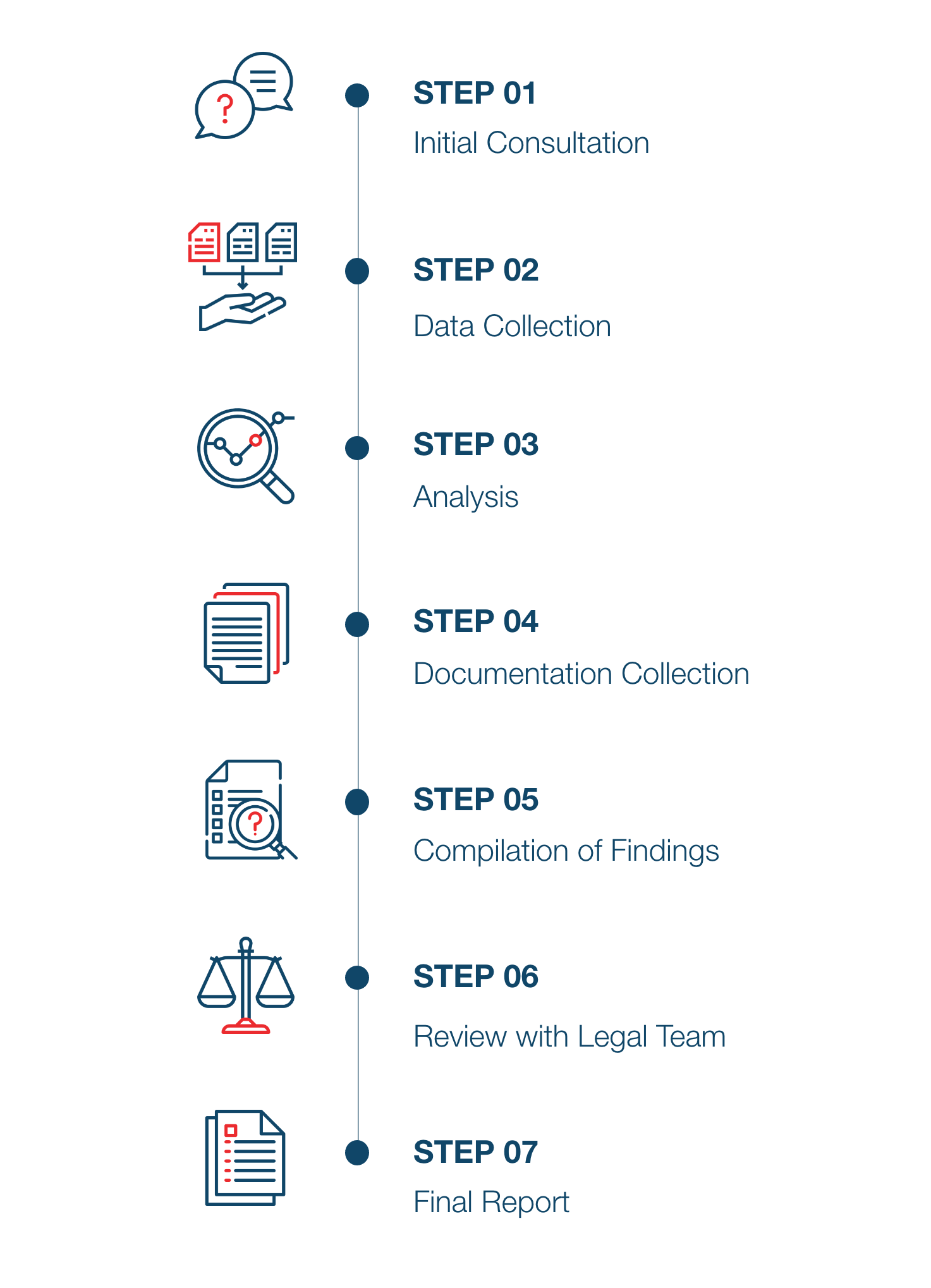 5-Day Schedule to Develop and Submit a Quantity Surveyor's Report
Ever wondered how to transform a chaotic pile of construction data into a polished Quantity Surveyor's report in just five days? This section unveils a step-by-step schedule that guides you through the process, from meticulous planning and data collection to the confident submission of a comprehensive report. Whether you're facing tight deadlines or complex financial analyses, this five-day plan ensures you stay on track and deliver a report that stands up to scrutiny.
Day 1: Planning and Data Collection
- Define the report's objectives and target audience.
- Gather all necessary documentation and data, including contracts, invoices, and correspondence.
- Organise the information systematically to streamline the writing process.
Day 2: Initial Draft and Structure
- Create a clear outline of the report, designating specific content for each section.
- Begin drafting the introduction, project scope, and objectives.
- Ensure that the language and level of detail are tailored to the target audience.
Day 3: Detailed Financial Analysis
- Present a detailed breakdown of costs, including direct and indirect expenditures.
- Include comparative analyses that highlight any deviations from the original budget.
- Conduct a thorough risk assessment and outline mitigation strategies.
Day 4: Review and Refinement
- Implement a rigorous review process involving cross-checking calculations and validating data.
- Conduct peer reviews to resolve any inconsistencies and enhance the report's credibility.
- Standardise the report's format and structure for consistency.
Day 5: Finalisation and Submission
- Finalise the report by summarising findings and recommendations.
- Prepare for the presentation by rehearsing key points and anticipating questions.
- Submit the report with confidence, ensuring that it meets adjudication standards.
Tips for Efficient Data Collection and Analysis
Data is the backbone of any Quantity Surveyor's report. Discover effective strategies for efficient data collection and analysis, from systematic approaches to leveraging collaborative tools.
Efficient data collection and analysis are vital aspects of producing a winning Quantity Surveyor's report. One effective strategy is to employ a systematic approach to gathering information. Begin by identifying all sources of data, including project documentation, financial records, and communications with contractors and suppliers. By creating a checklist of required data points, Quantity Surveyors can ensure they gather all relevant information without overlooking critical details. This organised method not only saves time but also enhances the accuracy of the report.
In addition to systematic collection, leveraging collaborative tools can significantly improve data analysis efficiency. Cloud-based platforms allow multiple team members to contribute to data gathering and analysis simultaneously. This real-time collaboration fosters a more comprehensive understanding of the project and ensures that all perspectives are considered. Furthermore, adopting visual data representation tools, such as charts and graphs, can facilitate quicker comprehension of complex financial information. Such visual aids not only enhance the report's clarity but also make it more engaging for the reader.
Finally, it is crucial to allocate dedicated time for thorough data analysis. Rushing through this phase can lead to errors or misinterpretations that may jeopardise the report’s credibility. Quantity Surveyors should adopt a methodical approach, cross-referencing figures and validating calculations to ensure accuracy. Taking the time to scrutinise data can uncover insights that may have been overlooked initially, ultimately enriching the report. By prioritising efficient data collection and analysis, Quantity Surveyors can create a solid foundation for their report, setting the stage for successful adjudication.
Utilising Technology in Quantity Surveying Reports
In today's digital age, technology is revolutionising Quantity Surveying. Find out how specialised software, cloud-based platforms, and AI can enhance the efficiency and accuracy of your reports.
In today's digital age, technology plays an essential role in enhancing the efficiency and accuracy of Quantity Surveying reports. One of the most significant advancements is the use of specialised software designed for quantity takeoffs and cost estimations. These tools can automate calculations, generate reports, and streamline data management, allowing Quantity Surveyors to focus on analysis and interpretation rather than manual number-crunching. By integrating software into their workflows, QS professionals can significantly reduce the time required to compile reports while minimising the potential for human error.
Additionally, cloud-based project management platforms facilitate real-time collaboration among team members, enabling seamless communication and document sharing. This technology allows Quantity Surveyors to access project files from anywhere, ensuring that all team members have the most up-to-date information at their fingertips. The ability to collaborate in real time means that data collection, analysis, and reporting can occur concurrently, further expediting the process. Moreover, these platforms often include built-in tools for tracking project progress and financial performance, providing valuable insights that can enhance report quality.
Finally, the incorporation of artificial intelligence (AI) and machine learning into Quantity Surveying practices is revolutionising the industry. AI can analyse vast amounts of data to identify patterns, predict costs, and assess risks more accurately than traditional methods. By leveraging these technologies, Quantity Surveyors can enhance their decision-making capabilities and provide more nuanced recommendations in their reports. As technology continues to evolve, Quantity Surveyors who embrace these innovations will be better equipped to produce comprehensive and persuasive reports that stand up to scrutiny during adjudication.
Strategies for Ensuring Accuracy and Consistency
Accuracy and consistency are key to a credible report. Learn the strategies that ensure your Quantity Surveyor's report stands up to scrutiny, from rigorous review processes to standardised templates.
Ensuring accuracy and consistency in a Quantity Surveyor's report is paramount for maintaining credibility and fostering trust among stakeholders. One effective strategy is to implement a rigorous review process that involves multiple layers of verification. This process should include cross-checking calculations, validating data against original documents, and peer reviews conducted by fellow Quantity Surveyors. By incorporating numerous perspectives, the likelihood of errors diminishes, and any inconsistencies can be resolved before the report is finalised.
Another key approach is to standardise templates and formats for report writing. By establishing a consistent structure for all reports, Quantity Surveyors can ensure that critical information is presented uniformly, making it easier for readers to navigate and comprehend. Standardisation also aids in maintaining consistency across various projects, as it allows for quick reference to previous reports and data. Developing a library of templates can save time and effort in future report writing, ensuring that best practices are followed and enhancing overall report quality.
Finally, maintaining clear documentation throughout the project lifecycle is crucial. Quantity Surveyors should document all decisions, changes, and communications related to costs and finances in real time. This habit not only creates a reliable reference point for report writing but also fosters accountability. When all relevant information is recorded systematically, it becomes significantly more straightforward to ensure that the final report reflects an accurate and consistent narrative of the project's financial status. By adopting these strategies, Quantity Surveyors can enhance their reports' reliability and persuasiveness, ultimately leading to more successful adjudication outcomes.
Overcoming Challenges in Report Writing
Report writing in construction is fraught with challenges. Discover how to overcome common obstacles, from time constraints to complex data interpretation, and produce a report that meets adjudication standards.
Report writing in the construction industry can present numerous challenges, ranging from time constraints to complex data interpretation. One of the most common obstacles is the pressure to produce a comprehensive report within tight deadlines, especially in the context of adjudication. To overcome this challenge, it is essential to adopt effective time management techniques. Breaking the report writing process into manageable tasks and setting specific deadlines for each phase can help maintain focus and ensure that all aspects are addressed without last-minute rushes.
Another significant challenge arises from the complexity of data and financial information. Quantity Surveyors often deal with intricate calculations and extensive documentation, which can be overwhelming. To tackle this issue, it is beneficial to simplify data presentation by utilising visual aids such as charts, graphs, and tables. These tools can distil complex information into digestible formats, making it easier for readers to understand key points. Additionally, investing time in developing a clear narrative that connects the data to the project's overall objectives can help clarify the report’s purpose and significance.
Lastly, managing stakeholder expectations can pose a challenge during the report-writing process. Different stakeholders may have varying priorities and interests, leading to potential conflicts in the information presented. Clear communication is vital to navigate this challenge. Engaging stakeholders early in the process to understand their concerns and expectations can help align the report's focus with their needs. By establishing a collaborative approach, Quantity Surveyors can create reports that address stakeholder interests while maintaining the integrity of the financial analysis. Embracing these strategies can empower Quantity Surveyors to overcome common challenges in report writing, ensuring a successful adjudication response.
Adjudication Response Preparation and Presentation
Preparing for adjudication? Equip yourself with the strategies to present your Quantity Surveyor's report with confidence, ensuring clarity, persuasiveness, and a favourable outcome.
Preparing for adjudication requires meticulous attention to detail and a strategic approach to presenting the Quantity Surveyor's report. The first step in this preparation is to ensure that the report is not only comprehensive but also tailored to address specific adjudication requirements. Understanding the adjudication process and the criteria that adjudicators will use to evaluate the report is crucial. This knowledge enables Quantity Surveyors to emphasise relevant information and present it in a manner that speaks directly to adjudicators' expectations.
Once the report is finalised, effective presentation becomes paramount. The Quantity Surveyor should be prepared to articulate the key findings and recommendations clearly and concisely. Using visual aids during the presentation can enhance understanding and retention of information. Presenting complex financial data through charts and graphs can make it more accessible to adjudicators who may not have a background in financial or cost analysis. Additionally, rehearsing the presentation beforehand can help the QS convey confidence and authority, ultimately making a more persuasive case.
Lastly, anticipating questions from adjudicators is essential for effective preparation. The Quantity Surveyor should thoroughly understand the underlying data and be ready to defend their conclusions with supporting evidence. Preparing a list of potential questions and rehearsing responses can help the QS navigate the adjudication process smoothly. By approaching the presentation with confidence and preparedness, Quantity Surveyors can effectively communicate their findings and state the facts for a favourable outcome in adjudication.
Conclusion: Delivering a Confident Quantity Surveyor's Report
Transform chaos into clarity with a well-crafted Quantity Surveyor's report. Learn how to deliver a report that not only facilitates dispute resolution but also contributes to the overall success of construction projects.
In conclusion, crafting a winning Quantity Surveyor's report within five days is not only achievable but essential for navigating the complexities of the construction industry. By understanding the critical role of a Quantity Surveyor, recognising the importance of a comprehensive report, and implementing structured planning and efficient data collection strategies, QS professionals can significantly enhance the quality and effectiveness of their submissions. Embracing technology, ensuring accuracy, and overcoming common challenges further empower Quantity Surveyors to produce reports that stand up to scrutiny during adjudication.
The ability to present a well-crafted report instils confidence in stakeholders and adjudicators alike, fostering transparency and trust in the financial management of construction projects. As the industry continues to evolve, adapting to technological advancements and refining report-writing methodologies will be key to maintaining a competitive edge. Ultimately, delivering a confident Quantity Surveyor's report not only facilitates dispute resolution but also contributes to the overall success and sustainability of construction endeavours.
By equipping themselves with the right tools, strategies, and knowledge, Quantity Surveyors can transform chaos into clarity, navigating the complexities of the construction landscape with assurance and finesse. This transformative journey not only enhances their professional capabilities but also strengthens the integrity of the construction industry as a whole.
I hope you have found this blog of value. If you require further clarification, please do not hesitate to contact us at (02) 8084 4333, email [email protected], or follow us on LinkedIn.
N.b. Nothing in this article constitutes legal, professional or financial advice.
References
Mastering Conflict: Effective Strategies for Building Dispute Resolution
Mastering Conflict: Effective Strategies for Building Dispute Resolution
Executive Summary
Mastering effective dispute-resolution strategies is paramount in navigating conflicts and fostering mutual understanding. This article delves into the art of conflict resolution, offering insights on how to approach disagreements constructively and cultivate positive outcomes. By embracing open communication, active listening, and a solutions-oriented mindset, individuals can transform conflicts into opportunities for growth and collaboration. Discover how implementing practical strategies and proven tactics can not only resolve disputes efficiently but also strengthen relationships and foster a culture of respect and understanding.

Mastering Conflict: Effective Strategies for Building Dispute Resolution
Conflict is an inevitable part of human interactions, but it doesn't have to be destructive. Imagine turning every disagreement into a chance for growth and collaboration. This article will show you how.
Mastering effective dispute-resolution strategies are paramount in navigating conflicts and fostering mutual understanding. Whether in personal relationships, professional settings, or community interactions, conflict resolution skills play a pivotal role in maintaining harmony and progress. This article delves into the art of conflict resolution, offering insights on how to approach disagreements constructively and cultivate positive outcomes.
By embracing open communication, active listening, and a solutions-oriented mindset, individuals can transform conflicts into opportunities for growth and collaboration. From identifying underlying interests to exploring creative solutions, mastering conflict resolution techniques empowers individuals to navigate challenging situations with confidence and grace.
Discover how implementing practical strategies and proven tactics can not only resolve disputes efficiently but also strengthen relationships and foster a culture of respect and understanding. Join us on a journey towards mastering conflict resolution and creating a harmonious environment where conflicts are viewed as opportunities for growth rather than obstacles.
Understanding Conflict and Its Impact
Have you ever wondered why conflicts arise and how they can affect our lives? Understanding the root causes and impacts of conflict is the first step towards effective resolution.
Conflict is an inherent aspect of human interactions, emerging from differences in values, beliefs, needs, and interests. At its core, conflict can be understood as a disagreement that manifests between two or more parties when their goals or desires clash. It can arise in various contexts, from personal relationships to workplace dynamics and community engagements. The impact of conflict can be profound, influencing emotional well-being, productivity, and overall relationships among individuals and groups. When managed effectively, conflict can lead to positive outcomes, fostering understanding and collaboration; however, if left unresolved, it can escalate into hostility and dysfunction.
The effects of unresolved conflict can ripple through various layers of relationships. For instance, in a workplace environment, prolonged disputes can diminish morale, reduce teamwork, and enhance stress levels among employees. This creates a toxic atmosphere that stifles creativity and productivity. On a personal level, unresolved conflicts can lead to resentment, alienation, and a breakdown of trust between individuals. Thus, understanding the nuances of conflict and its potential outcomes is critical for anyone looking to foster healthier interactions and environments.
Recognising the signs of conflict early can significantly mitigate its negative impact. By being aware of the emotional cues and behavioural changes in oneself and others, individuals can intervene before a disagreement escalates. Building awareness around these dynamics not only helps in addressing immediate issues but also contributes to a culture of openness and proactive communication. In this way, understanding conflict becomes the first step towards mastering the skills needed for effective resolution.
Common Sources of Conflict in Various Settings
Conflicts can arise from the most unexpected places. Let's explore the common sources of conflict and how they manifest in different settings.
Conflict can stem from various sources, each unique to the environment in which it occurs. In personal relationships, differing communication styles, unmet expectations, and divergent life goals often lead to disagreements. For instance, a partner may feel neglected if their needs for emotional support are not met, while the other may be unaware of these expectations. Such misunderstandings can spiral into more significant conflicts if not addressed promptly and effectively.
Conflicts frequently arise in professional settings from competition for resources, differing work styles, or misaligned objectives. Employees may feel threatened by perceived favouritism in promotions or project assignments, leading to disputes that can damage team cohesion. Additionally, organisational changes such as restructuring or shifts in leadership can create uncertainty and fear, further fuelling potential conflicts among staff members. Acknowledging these sources is essential for developing strategies to navigate and resolve them.
Community interactions also present unique conflict scenarios, often rooted in cultural differences, socio-economic disparities, or differing opinions on local policies. When community members feel their voices are not heard, or their concerns are overlooked, conflicts can arise that challenge the fabric of social cohesion. Addressing these conflicts requires a nuanced understanding of the underlying issues at play, along with a commitment to fostering inclusive dialogue and collaboration.
The Importance of Effective Conflict Resolution
Why is conflict resolution so crucial? Discover the transformative power of effective conflict resolution and how it can enhance relationships and productivity.
Effective conflict resolution is crucial for maintaining healthy relationships and fostering a collaborative environment. When individuals are equipped with the skills to navigate disagreements constructively, they are more likely to reach mutually beneficial outcomes. This process often leads to stronger bonds among individuals, as resolving conflict can enhance understanding and empathy. As parties work through their differences, they gain insights into each other's perspectives, which can ultimately lead to improved cooperation and teamwork.
Moreover, effective conflict resolution can significantly reduce stress and anxiety associated with unresolved disagreements. Individuals who feel empowered to address conflicts openly are less likely to harbour resentment or frustration, which can negatively impact their mental and emotional well-being. This proactive approach not only contributes to a healthier atmosphere but also promotes personal growth and resilience. By developing conflict resolution skills, individuals can become more adept at managing their emotions and responses, leading to greater overall satisfaction in their relationships.
In organisational contexts, a culture that embraces effective conflict resolution can enhance productivity and innovation. When employees feel safe to voice their concerns and engage in healthy debates, it fosters a climate of creativity and critical thinking. Organisations that prioritise conflict resolution training and encourage open communication are better positioned to adapt to challenges and thrive in competitive environments. Ultimately, the importance of effective conflict resolution extends beyond mere problem-solving; it encompasses the broader goal of nurturing relationships and fostering a culture of respect and collaboration.
Strategies for Managing Conflict Constructively
Ready to turn conflicts into opportunities? Here are some strategies to manage conflict constructively and achieve positive outcomes.
Managing conflict constructively involves a variety of strategies that promote open communication and collaborative problem-solving. One fundamental approach is to focus on interests rather than positions. When parties articulate their underlying needs and concerns rather than rigidly adhering to specific demands, creative solutions that satisfy both sides can be found. This interest-based approach encourages a shift from adversarial stances to collaborative discussions, leading to more sustainable resolutions.
Another effective strategy is to establish ground rules for discussions. Setting guidelines for respectful communication can help create a safe environment where all parties feel heard and valued. These rules might include avoiding interrupting one another, refraining from personal attacks, and using "I" statements to express feelings instead of assigning blame. By cultivating a respectful dialogue, individuals are more likely to engage constructively, even in the face of disagreement.
Additionally, taking a break during heightened emotions can be a powerful technique for managing conflict. When discussions become heated, stepping away for a moment allows individuals to cool down and reflect on their feelings and responses. This pause can prevent escalation and enable parties to return to the conversation with a more evident mindset. Constructively managing conflict requires a combination of strategies that prioritise understanding, respect, and collaboration, ultimately paving the way for positive outcomes.
Communication Techniques for Resolving Disputes
Effective communication is the key to resolving disputes. Learn the techniques that can help you navigate conflicts with ease.
Effective communication is at the heart of successful conflict resolution. One vital technique is active listening, which involves fully concentrating on the speaker, understanding their message, and responding thoughtfully. By demonstrating genuine interest in the other person's perspective, individuals can foster an environment of trust and understanding. Active listening goes beyond just hearing words; it requires paying attention to non-verbal cues and emotions, thereby enhancing the quality of the dialogue.
Another critical communication technique is the use of "I" statements instead of "you" statements. For example, expressing feelings through phrases like "I feel frustrated when deadlines are missed" rather than "You never meet deadlines" can significantly reduce defensiveness. This approach focuses on the speaker's experience, making it less likely for the other party to feel attacked. When individuals adopt this method, it encourages open dialogue and promotes empathy, ultimately facilitating resolution.
Furthermore, summarising and clarifying points during discussions can enhance mutual understanding. Regularly paraphrasing what the other party has said not only demonstrates active engagement but also ensures that both parties are on the same page. This technique helps prevent misunderstandings and allows for clarification of any points of confusion. By employing these communication techniques; individuals can navigate disputes more effectively, leading to constructive outcomes and strengthened relationships.
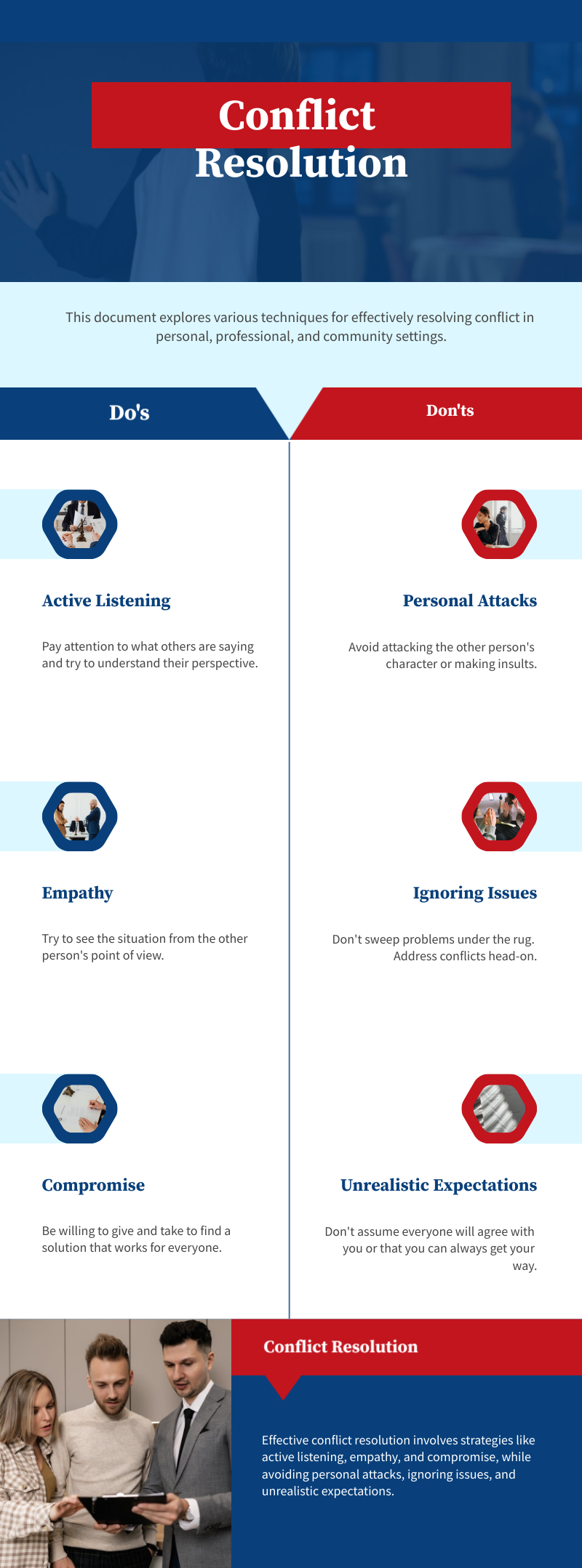
Building Trust and Collaboration in Conflict Resolution
Trust and collaboration are the cornerstones of effective conflict resolution. Discover how to build these essential elements in your interactions.
Trust is a cornerstone of effective conflict resolution, as it enables open communication and collaboration. Building trust requires consistency, honesty, and vulnerability from all parties involved. When individuals demonstrate reliability and follow through on their commitments, it fosters an environment where others feel safe to express their concerns and fears. This foundation of trust is essential for navigating difficult conversations and finding common ground amidst disagreements.
Collaboration is equally important in conflict resolution. When approaching a dispute as a joint problem-solving effort rather than a win-lose scenario, parties can work together to identify solutions that satisfy everyone's needs. Techniques such as brainstorming, where all ideas are welcomed without immediate judgment, can unleash creativity and lead to innovative resolutions. Engaging all parties in the process empowers them to take ownership of the outcomes, strengthening their commitment to the agreed-upon solutions.
Additionally, acknowledging and valuing each other's contributions can significantly enhance the collaborative spirit. When individuals feel their input is appreciated and considered, it fosters a sense of belonging and respect. Celebrating small wins throughout the resolution process can also bolster morale and reinforce collaborative efforts. By prioritising trust and collaboration, individuals can transform conflict into an opportunity for collective growth and understanding.
Implementing Mediation and Negotiation Skills
Mediation and negotiation are powerful tools for resolving conflicts. Learn how to implement these skills effectively.
Mediation is a powerful tool in conflict resolution. It often serves as a neutral ground where parties can discuss their issues with the help of an impartial third party. Mediators facilitate communication, helping parties clarify their positions and explore underlying interests. This process encourages constructive dialogue and can lead to mutually acceptable solutions. Effective mediation relies on the mediator's skills in active listening, neutrality, and the ability to guide discussions in a non-confrontational manner.
Negotiation skills are equally crucial in resolving disputes. Successful negotiation involves understanding the needs and motivations of all parties and working towards a compromise that satisfies those needs. Techniques such as preparing thoroughly before discussions, identifying areas of agreement, and being open to alternative solutions are crucial in achieving favourable outcomes. Negotiation is not about winning or losing; it is about finding a solution that acknowledges everyone's interests and fosters a sense of cooperation.
Furthermore, practising mediation and negotiation skills can significantly enhance conflict resolution capabilities. Workshops, role-playing exercises, and real-life simulations can provide individuals with the tools they need to navigate disputes more effectively. By honing these skills, individuals become more adept at managing conflicts in various settings, from personal relationships to professional environments. Ultimately, implementing mediation and negotiation skills empowers individuals to transform conflicts into opportunities for collaboration and growth.
Conflict Resolution Training and Resources
Investing in conflict resolution training can transform your approach to disputes. Discover the resources available to enhance your skills.
Investing in conflict resolution training is a proactive step that organisations and individuals can take to enhance their dispute resolution skills. Various training programmes focus on developing communication, negotiation, and mediation skills, equipping participants with practical tools to manage conflicts effectively. These programmes often include interactive components such as role-playing exercises and group discussions, allowing participants to practise their skills in a supportive environment.
In addition to formal training, numerous resources are available that provide valuable insights into conflict resolution techniques. Books, articles, and online courses offer diverse perspectives and strategies for managing disputes. For instance, literature on emotional intelligence emphasises the importance of self-awareness and empathy in conflict situations, while resources focused on collaborative problem-solving provide frameworks for approaching disagreements constructively.
Moreover, organisations can create a culture of continuous learning by encouraging employees to share their experiences and insights related to conflict resolution. Establishing peer support networks or discussion groups can foster an environment where individuals can learn from one another and refine their skills. By prioritising conflict resolution training and leveraging available resources, individuals and organisations can develop a robust toolkit for navigating conflicts effectively.
Case Studies in Successful Conflict Resolution
Real-life examples can provide valuable lessons. Explore case studies of successful conflict resolution to gain insights into effective strategies.
Examining case studies of successful conflict resolution can provide valuable lessons and insights into effective strategies. One noteworthy example is the resolution of labour disputes through collaborative negotiation processes. In many instances, labour unions and management have come together to address concerns regarding wages, working conditions, and employee rights. By engaging in open dialogue and focusing on mutual interests, both parties have been able to reach agreements that benefit employees while ensuring organisational sustainability.
Another compelling case is the resolution of community conflicts surrounding land use or environmental concerns. In various instances, community members have come together to engage in facilitated discussions with developers and local government representatives. By emphasising transparency, actively listening to community concerns, and exploring alternative development options, stakeholders have successfully navigated disputes that could have otherwise escalated into divisive conflicts. These collaborative efforts not only led to effective resolutions but also strengthened community ties and trust among participants.
Lastly, international conflict resolution efforts, such as peace negotiations between conflicting nations, highlight the complexities and potential for constructive outcomes. For example, the Good Friday Agreement in Northern Ireland serves as a powerful case study in resolving longstanding sectarian conflict. Through a process that involved dialogue, collaboration, and compromise, parties were able to address historical grievances and establish a framework for cooperation. Such cases underscore the importance of empathy, understanding, and commitment to finding common ground in even the most challenging conflict situations.
Conclusion: Embracing Conflict as an Opportunity for Growth
What if conflicts were seen as opportunities for growth? Embrace this perspective and transform your approach to disagreements.
Embracing conflict as an opportunity for growth represents a fundamental shift in perspective that can transform how individuals and organisations approach disagreements. Rather than viewing conflicts solely as obstacles, recognising their potential to foster dialogue, understanding, and collaboration can lead to positive outcomes. This mindset encourages individuals to engage in constructive conversations that prioritise empathy and mutual respect.
By mastering effective conflict resolution strategies, individuals can develop essential skills that enhance their personal and professional relationships. The ability to navigate disputes with confidence and grace not only strengthens connections but also contributes to a culture of openness and cooperation. As individuals learn to embrace conflict as a natural part of human interaction, they become better equipped to handle challenges and create environments where diverse perspectives are valued and heard.
Ultimately, the journey towards mastering conflict resolution is ongoing, requiring practice, reflection, and a commitment to continuous learning. By investing in communication skills, building trust, and fostering collaboration, individuals can create a harmonious environment where conflicts are viewed as opportunities for growth and mutual understanding. Embracing this perspective lays the groundwork for a more compassionate, resilient, and connected society.
I hope you have found this blog helpful. If you require further clarification, email us now at [email protected].
N.b. Nothing in this article constitutes legal, professional or financial advice.
References. I have referred to the following published material to stand on the shoulders of giants.
RICS Surveyors Acting as Expert Witnesses: RICS Surveyors Acting as Expert Witnesses
Law Society of NSW: The Practitioner’s Guide to Briefing Experts
The Utilisation of IT in the Quantity Surveying field Utilisation of IT in QS Australia.
Historical Trends in Quantity Surveying: Trends.
Western Sydney University: QS Role in Innovation.
What is a QS: RICS.
Building Surveying Techniques: RICS Building Surveying
Resolution Institute: Mediation Rules
Mastering Progress Claims in Construction | Contract Australia
Cracking the Code: Mastering Progress Claims in Construction Projects

Executive Summary
In the intricate world of construction projects, mastering progress claims is akin to cracking a complex code that unlocks the flow of finances and progress. This document delves deep into the art of mastering progress claims in construction projects, unravelling the nuances and strategies that pave the way for successful outcomes. Whether you're a seasoned professional looking to refine your approach or a newcomer seeking to grasp the essentials, this guide equips you with the knowledge and insights essential for navigating the labyrinth of progress claims effectively.
By the end of this article, you'll know how to master progress claims in construction projects, ensuring timely payments and smooth project execution. Discover the secrets to accurate claims, effective documentation, and leveraging technology to streamline your processes.
Introduction
In the intricate world of construction projects, mastering progress claims is akin to cracking a complex code that unlocks the flow of finances and progress. Navigating the terrain of progress claims requires a strategic blend of precision, communication, and expertise to ensure seamless project execution and payment processes. From laying the foundation to putting the finishing touches, each stage demands meticulous attention to detail to validate and substantiate the work completed.
In this article, we delve deep into the art of mastering progress claims in construction projects, unravelling the nuances and strategies that pave the way for successful outcomes. Whether you're a seasoned professional looking to refine your approach or a newcomer seeking to grasp the essentials, this guide equips you with the knowledge and insights essential for navigating the labyrinth of progress claims effectively. Get ready to decode the secrets, optimise your processes, and elevate your construction project management game to new heights.
Understanding Progress Claims in Construction Projects
Progress claims are essential tools used in the construction industry to request payment for work completed at various stages of a project. These claims serve as a bridge between the work done and the financial transactions that ensure the continued flow of funds necessary for the ongoing execution of the project. At their core, progress claims reflect the value of the work completed to date, allowing contractors and subcontractors to receive timely payments that keep the project on track. Understanding the intricacies of progress claims is fundamental for all stakeholders, including contractors, project managers, and clients.
In most construction contracts, progress claims are tied to specific milestones or phases of work. This means that as a project progresses, contractors submit claims that detail the work completed up to a certain point, including the associated costs. These claims often require a comprehensive breakdown of labour, materials, and overheads, making them critical documents that require accuracy and thoroughness. The timing of these submissions is equally essential, as delays in progress claims can lead to cash flow issues, which may jeopardise the project schedule and the viability of the contractor’s operations.
Moreover, progress claims are not merely financial instruments; they are also a form of communication among parties involved in the project. They provide a channel for contractors to showcase their achievements, manage expectations, and foster transparency with clients. This communication is vital for maintaining relationships and ensuring that any potential disputes are addressed early in the process. By mastering the nuances of progress claims, stakeholders can navigate the complexities of construction projects more effectively, leading to successful outcomes.
Importance of Accurate Progress Claims
Accurate progress claims are crucial for multiple reasons, the most significant being the project's financial health. When claims are submitted with precision, they reflect the actual state of the project's progress and associated costs. This accuracy ensures that contractors receive timely payments, preventing cash flow disruptions that can arise from discrepancies in billing. Moreover, accurate claims facilitate proper budgeting and financial planning for all parties involved, which is essential for maintaining the overall financial viability of the project.
In addition to financial implications, accurate progress claims play a pivotal role in fostering trust and credibility among stakeholders. When contractors submit precise claims, it demonstrates professionalism and a commitment to transparency, leading to stronger relationships with clients and subcontractors. Conversely, inaccurate claims can lead to disputes, delays, and a breakdown of trust, which can have lasting adverse effects on future collaborations. Establishing a reputation for accuracy in progress claims can enhance a contractor's standing within the industry and contribute to long-term success.
Furthermore, accurate progress claims help mitigate risks associated with project management. By providing a clear and truthful account of the work completed, contractors can identify potential issues early on and address them before they escalate into significant problems. This proactive approach not only safeguards the project's timeline but also ensures that resources are allocated efficiently. In the competitive landscape of construction, the ability to manage risks effectively is a key differentiator that can set successful contractors apart from their peers.
Common Challenges in Progress Claims Management
Managing progress claims can be fraught with challenges that, if not addressed, can compromise the success of a construction project. One of the most prevalent issues is the lack of clear communication between stakeholders. Misunderstandings regarding the scope of work, the payment criteria, and the timeline for submissions can lead to disputes and delays. When parties are not aligned on expectations, the process of submitting and approving progress claims becomes cumbersome, ultimately affecting project momentum.
Another significant challenge is the complexity of the documentation required to substantiate progress claims. Contractors must provide detailed records of labour, materials, and other costs, often necessitating meticulous tracking and reporting. This can be particularly daunting in large-scale projects where numerous subcontractors are involved. Inadequate documentation can lead to rejected claims or disputes over the validity of the submitted amounts, thereby causing cash flow issues and increasing project risks.
Additionally, fluctuating project conditions can complicate the progress claims process. Changes in project scope, weather-related delays, or unexpected site conditions can all impact the amount and timing of work completed. When changes occur, contractors must quickly adapt their claims to reflect the new realities while ensuring compliance with contractual obligations. This adaptability requires strong project management skills and the ability to communicate effectively with all parties involved. Without these skills, the management of progress claims can become a source of frustration and conflict.
Key Components of a Progress Claim
A well-structured progress claim comprises several key components that work together to provide a comprehensive overview of the work completed and the corresponding payment requested. Firstly, the claim should include a clear description of the work done, referencing specific contract clauses or project milestones. This description allows the reviewer to understand precisely what is being claimed and ensures that it aligns with the agreed-upon scope of work.
Secondly, a detailed breakdown of costs is essential for substantiating the claim. This breakdown typically includes labour costs, materials used, equipment expenses, and any overheads associated with the work completed. Each cost component should be supported by relevant documentation, such as invoices, time sheets, and delivery receipts. Providing this level of detail not only strengthens the claim but also facilitates a smoother approval process, as it leaves little room for ambiguity or misinterpretation.
Lastly, progress claims should include a summary of any previous claims submitted and payments received. This provides context for the current claim and helps track the overall financial status of the project. It is also crucial to include any necessary certifications or approvals from project managers or clients, as this adds credibility to the claim. By ensuring that all key components are present and well-documented, contractors can enhance the likelihood of timely approval and payment for their work.
Strategies for Effective Progress Claim Preparation
Preparing effective progress claims requires a strategic approach that emphasises accuracy, clarity, and timeliness. One of the foremost strategies is to establish a consistent process for tracking project progress and associated costs. This involves maintaining detailed records throughout the project lifecycle, including daily logs, time sheets, and invoices. Regularly updating this information allows contractors to have an accurate picture of work completed at any given time, making it easier to prepare claims that reflect the actual state of the project.
Another vital strategy is to engage in open communication with clients and project managers throughout the project. By discussing progress regularly and addressing any concerns proactively, contractors can manage expectations and avoid surprises when it comes time to submit a progress claim. This transparency fosters trust and collaboration, which are essential for navigating the complexities of construction projects. Additionally, soliciting feedback on earlier claims can help refine the preparation process for future submissions.
Lastly, utilising templates and checklists can streamline the preparation of progress claims. By creating standardised formats for claims, contractors can ensure that all necessary components are included and that the information is presented clearly. Checklists can serve as reminders for the documentation required to support each claim, reducing the likelihood of errors or omissions. Furthermore, leveraging technology tools such as project management software can automate and simplify the tracking and reporting processes, ultimately enhancing efficiency in progress claim preparation.
Documentation Requirements for Progress Claims
The documentation required for progress claims is fundamental to ensuring that claims are substantiated and accepted by clients or project owners. First and foremost, contractors must provide a complete record of the work completed, including photographs, inspection reports, and any relevant correspondence. This documentation serves to visually and contextually support the claim, making it more compelling and easier for reviewers to understand the extent of the work done.
In addition to records of work, detailed financial documentation is critical. This includes invoices for materials purchased, payroll records for labour costs, and receipts for equipment rentals. Each cost component must be carefully documented to provide a clear picture of how the claim amount was calculated. Without this financial backing, claims may be viewed as speculative, leading to disputes or delays in payment.
Lastly, it is essential to include any contractual documentation that stipulates the terms and conditions of payment. This can include the original contract, amendments, and any correspondence that outlines changes in scope or schedule. Having these documents readily available not only reinforces the legitimacy of the claim but also provides a reference point for discussions around any discrepancies or disputes that may arise. By meticulously gathering and organising all necessary documentation, contractors can significantly increase the likelihood of their progress claims being approved.
Technology Solutions for Streamlining Progress Claims
In today's digital age, technology solutions play a crucial role in streamlining the preparation and management of progress claims. One of the most effective tools is project management software, which allows contractors and project managers to track progress, manage budgets, and document work completed in real time. These platforms often feature integrated reporting tools that can automate the generation of progress claims, reducing the manual effort required and minimising the risk of errors.
Another valuable technology solution is cloud-based document management systems. These systems enable teams to store, share, and access documentation from anywhere, facilitating collaboration among stakeholders. By utilising cloud technology, contractors can ensure that all relevant documents are organised and readily available when preparing progress claims. This accessibility enhances efficiency and allows for quicker responses to questions or requests for additional information from clients.
Moreover, mobile applications can be a game-changer for on-site documentation. Contractors can easily capture photographs, record daily logs, and enter time sheets directly from their smartphones or tablets. This immediacy ensures that information is accurate and up to date, which is vital for preparing timely progress claims. By leveraging these technology solutions, contractors can streamline their processes, improve accuracy, and enhance communication across all levels of the project team.
Legal Considerations in Progress Claims Disputes
Navigating the legal landscape surrounding progress claims is essential for mitigating risks and avoiding disputes. One of the primary legal considerations is the adherence to contractual obligations. Each contract typically outlines specific procedures for submitting progress claims, including deadlines and documentation requirements. Failing to comply with these stipulations can jeopardise a contractor's right to payment and may lead to legal disputes. Therefore, understanding and following these contractual terms is paramount.
Additionally, it is crucial to be aware of the legal implications of any changes to the scope of work. Change orders must be documented and agreed upon by all parties to avoid disputes over entitlement to additional payments. Contractors should ensure that any changes are accurately reflected in their progress claims, as discrepancies can lead to claims being rejected or contested. Establishing a transparent process for managing change orders can help mitigate these risks.
Finally, contractors should be familiar with the relevant laws and regulations governing construction contracts in their jurisdiction. This includes understanding the legal rights and remedies available in the event of a dispute, such as the right to lien or mediation options. By being informed about the legal framework surrounding progress claims, contractors can better protect their interests and navigate disputes more effectively should they arise.
Best Practices for Successful Progress Claim Submission
Submitting successful progress claims requires adherence to several best practices that can enhance the likelihood of timely payment and minimise disputes. First and foremost, ensuring that claims are submitted on time is critical. Establishing a regular schedule for submissions aligned with project milestones can help maintain cash flow and keep stakeholders informed about ongoing progress. Timely submissions also demonstrate professionalism and respect for contractual obligations.
Secondly, clarity and organisation are essential in the presentation of progress claims. Claims should be easy to read and navigate, with clearly labelled sections that outline the work completed, costs incurred, and supporting documentation. Using visual aids such as charts or graphs can also enhance understanding and make the claims more engaging to reviewers. An organised claim not only facilitates quicker approvals but also reflects positively on the contractor's professionalism.
Lastly, maintaining open lines of communication with clients and project managers is vital throughout the claims process. Regularly updating stakeholders on progress and addressing any concerns can prevent misunderstandings and foster collaboration. Additionally, soliciting feedback on submitted claims can provide valuable insights for future submissions, helping contractors refine their approach and improve the overall efficiency of the claims process. By implementing these best practices, contractors can navigate the complexities of progress claims more effectively and achieve better outcomes.
Conclusion: Maximising Efficiency and Transparency in Progress Claims
Mastering progress claims in construction projects is essential for ensuring smooth financial transactions and maintaining positive relationships among stakeholders. By understanding the intricacies of progress claims, recognising the importance of accuracy, and addressing common challenges, contractors can navigate the complexities of the claims process more effectively. Implementing key strategies, adhering to documentation requirements, and leveraging technology solutions can significantly enhance the efficiency of progress claim preparation and submission.
Moreover, being aware of the legal considerations surrounding progress claims helps contractors mitigate risks and avoid disputes that can derail project timelines and financial health. By following best practices for submission, such as timely and organised claims with open communication, stakeholders can foster an environment of transparency and collaboration, ultimately leading to successful project outcomes.
In conclusion, mastering progress claims is a multifaceted endeavour that requires precision, communication, and strategic planning. By equipping themselves with the necessary knowledge and tools, contractors can unlock the potential for seamless project execution and financial stability, paving the way for future success in the construction industry. Embracing these principles will not only enhance individual project performance but also contribute to the overall advancement of best practices within the construction sector.